
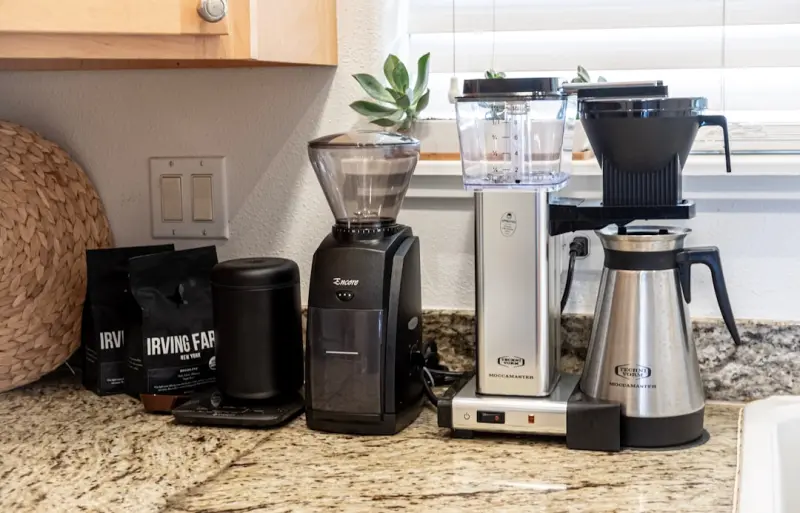
When you think about the kitchen, you probably picture a handful of durable, ever‑present tools: a stovetop that’s been there since you moved in, a fridge that hums in the background, maybe a coffee maker that knows your exact brew ratio. For decades, the narrative around these appliances has been one of ownership, longevity, and occasional repair. But a quiet revolution is bubbling beneath the surface, and it’s not about making your fridge “smarter.” It’s about subscription‑based appliance models that flip the traditional ownership paradigm on its head.
The Pain Points Behind the Purchase
Before diving into the subscription model, it’s worth revisiting why the classic buy‑once‑own‑forever approach is starting to feel stale for many households:
- Up‑front capital outlay: High‑end appliances can cost several thousand dollars, a barrier for renters, young families, and anyone juggling a tight budget.
- Obsolescence anxiety: With rapid advances in energy efficiency, connectivity, and design, an appliance purchased today can feel dated within a few years.
- Maintenance fatigue: Even the most reliable machines break down. Coordinating repairs, sourcing parts, and dealing with service calls can become a logistical nightmare.
- Environmental guilt: The “throw‑away” culture of replacing appliances contributes significantly to electronic waste, a growing concern for eco‑conscious consumers.
These frustrations create a fertile ground for a new business model that promises flexibility, predictability, and a lighter environmental footprint.
What Is Appliance‑as‑a‑Service (AaaS)?
Appliance‑as‑a‑Service, or AaaS, treats home appliances the way many SaaS companies treat software: as a service you access for a recurring fee rather than a product you own outright. Subscribers pay a monthly or annual fee that covers:
- Access to the latest model of a given appliance (think “upgrade‑when‑you‑want”).
- Full maintenance, repairs, and parts replacement at no extra cost.
- Energy‑efficiency monitoring and optimization services.
- Optional add‑ons such as AI‑driven cooking guidance or remote diagnostics.
From the consumer’s perspective, AaaS reduces the anxiety of large, one‑off purchases and transforms an appliance into a fluid, adaptable experience. From the provider’s side, it opens a steady revenue stream and a direct line to valuable usage data.
Technology Enablers: Why It Works Now
Two technological currents intersect to make AaaS not just possible but compelling:
- Edge‑enabled appliance platforms. Modern appliances are equipped with micro‑controllers capable of processing data locally, reducing latency and preserving privacy. By leveraging edge‑enabled appliance platforms, manufacturers can deliver real‑time performance insights, predictive maintenance alerts, and on‑device AI without constantly pinging the cloud.
- IoT connectivity and data analytics. A continuous stream of usage metrics—temperature cycles, energy draw, vibration patterns—feeds into cloud‑based analytics engines. These engines spot anomalies before a part fails, suggest optimal operating schedules to shave off electricity bills, and even recommend recipes tailored to the ingredients you have on hand.
When combined, edge processing and centralized analytics create a feedback loop that keeps appliances humming efficiently while giving providers the data they need to refine product cycles and service offerings.
Sustainability by Design
One of the most compelling arguments for AaaS is its alignment with circular‑economy principles:
- Extended product lifespans: Because the provider is responsible for upkeep, there’s an incentive to design appliances that are easy to repair, modular, and built from recyclable components.
- Reduced waste: When a model becomes outdated, the provider can reclaim, refurbish, and redeploy the unit, dramatically cutting the volume of appliances ending up in landfills.
- Energy optimization: Continuous monitoring allows for dynamic adjustments that keep energy consumption at its lowest possible level, directly reducing the carbon footprint of each household.
In practice, this means a subscription could include a “trade‑in” program where older units are collected, disassembled, and fed back into the manufacturing pipeline. The end result is a closed‑loop system that benefits both the planet and the bottom line.
Business Implications: From Revenue to Relationships
For appliance manufacturers and service providers, the shift to AaaS reshapes several core business pillars:
Predictable, Recurring Revenue
Instead of a seasonal spike in sales followed by long periods of inactivity, providers enjoy a steady cash flow that smooths forecasting and reduces reliance on promotional discounts.
Customer Lifetime Value (CLV) Amplification
Because the relationship is ongoing, companies can cross‑sell complementary services—such as home‑energy audits, smart‑home integrations, or culinary coaching—further deepening the bond with the consumer.
Data‑Driven Product Development
Access to granular usage data informs design decisions. If a particular heating element consistently fails after 2,000 cycles, engineers can redesign that component before the next product generation launches, reducing warranty costs and improving overall reliability.
Brand Differentiation
In a crowded market, offering a hassle‑free, upgrade‑friendly subscription can become a key differentiator. Brands that demonstrate a commitment to sustainability and customer convenience are more likely to earn loyalty in an increasingly values‑driven marketplace.
Addressing Consumer Concerns
Despite its advantages, AaaS must overcome a few skeptical hurdles:
- Perceived cost: While the monthly fee may appear higher than a one‑time purchase, the total cost of ownership—including repairs, energy waste, and eventual replacement—often balances out or even favors the subscription model.
- Ownership mindset: Some consumers cherish the notion of owning a tangible asset. Companies can ease this transition by offering “ownership pathways,” where long‑term subscribers gain the option to purchase the appliance outright at a discounted rate.
- Data privacy: Continuous data collection raises valid concerns. Transparent privacy policies, on‑device data processing, and opt‑out controls are essential to building trust.
Real‑World Examples Shaping the Landscape
Early adopters are already testing the waters:
- CoolTech’s Refrigerator Lease: Users pay a modest monthly fee that includes bi‑annual maintenance, an energy‑efficiency guarantee, and the ability to swap for a newer model after three years.
- SteamWorks’ Smart Oven Subscription: The service bundles recipe AI, remote pre‑heat via a mobile app, and a “clean‑on‑demand” feature that runs a self‑clean cycle automatically when usage patterns suggest it’s needed.
- EcoWash’s Washer‑as‑a‑Service: By integrating real‑time water‑usage analytics, the company reduces household water consumption by up to 30%, passing savings directly to the subscriber.
These pilots demonstrate that AaaS isn’t a futuristic fantasy; it’s an emerging reality that’s already delivering tangible benefits.
Future Outlook: What Comes Next?
Looking ahead, several trends will amplify the AaaS momentum:
- Modular design standards: Industry consortia are working on universal modules (e.g., interchangeable heating elements, universal control panels) that make swapping parts across brands seamless.
- AI‑driven personalization: Imagine a dishwasher that learns your preferred cycle based on the dishes you load, or a fridge that suggests recipes based on the exact freshness of each ingredient.
- Integration with home‑energy management systems: As more households adopt solar panels and battery storage, AaaS appliances can dynamically shift their power draw to off‑peak hours, maximizing cost savings and grid stability.
For consumers, this means a home that continually evolves without the hassle of large purchases. For businesses, it opens a pathway to deeper customer engagement, recurring revenue, and a greener brand reputation.
Getting Started: Should You Subscribe?
If you’re curious about stepping into an AaaS lifestyle, consider these practical steps:
- Audit your current appliances. Identify high‑cost, high‑maintenance items that could benefit from a subscription.
- Research providers. Look for companies that prioritize transparent pricing, robust maintenance guarantees, and clear data‑privacy policies.
- Calculate total cost of ownership. Include purchase price, energy consumption, expected repair costs, and the subscription fee to see which scenario offers better financial value.
- Start small. Try a subscription for a single appliance—perhaps a premium oven or a high‑end washing machine—and gauge the experience before expanding.
In the end, the shift from ownership to access isn’t about abandoning the idea of “having” something; it’s about redefining what “having” means in a world where flexibility, sustainability, and data‑driven insights are king.
Appliance‑as‑a‑Service is still in its early chapters, but the narrative is clear: as our homes become smarter and our values shift toward responsible consumption, the subscription model will likely become the default lens through which we view even the most traditional of household tools.

David Moore is a freelance writer specializing in two dynamic and ever-evolving fields: gambling and the tech industry. With a keen eye for detail and a knack for unraveling complex topics, David delivers insightful and engaging content that keeps readers informed and entertained.
Related Posts
Predictive Maintenance: Turning Your Appliances Into Proactive Partners
Explore the rise of predictive maintenance in home appliances, learning how smart sensors, AI, and s... Read More
When Appliances Get Clever: How Data Is Changing the Kitchen and Office
Smart appliances are evolving from simple machines into proactive, data‑driven partners that predi... Read More

The Future of Home Appliances: How Sustainable Living is Revolutionizing the Industry
The home appliance industry is undergoing a significant transformation, driven by growing concerns a... Read More
Top Posts

The Curated Plugin Marketplace: Turning Extensions into Growth Multipliers
A curated plugin marketplace raises the bar for quality, security, and revenue, turning third‑party extensions into powerful growth engines for SaaS platforms...Read More

Empowering the Next Generation: Navigating the Modern World with Today's Teens
Today's teens face a rapidly changing world. This article explores how to balance digital life with real-world connections, support their mental wellness, and e...Read More

AI and Legal Ethics: Navigating the New Frontier of Automated Counsel
AI is reshaping legal work, but it brings ethical dilemmas around competence, confidentiality, bias, and ownership. This post offers a roadmap for lawyers to us...Read More

The Unlikely Intersection of Sustainable Living and Relationships
Sustainable living is not just about reducing our carbon footprint; it's also about building deeper connections with others. Learn how eco-friendly choices have...Read More
0 Comments
Post Comment
You will need to Login or Register to comment on this post!