

Why Appliances Are Becoming the Quiet Workhorses of Modern Life
When I first walked into a showroom a decade ago, the biggest draw was the glossy finish and the promise of “faster cooking.” Today, the conversation has shifted from surface polish to the invisible intelligence that lives inside the machine. The latest generation of appliances isn’t just about heating, cooling, or stirring; it’s about learning, adapting, and communicating with the people who use them.
From Reactive Tools to Proactive Partners
Historically, appliances were reactive: you push a button, the machine does what you asked, and the interaction ends. The new paradigm treats appliances as proactive partners. They monitor usage patterns, predict maintenance needs, and even suggest ways to save energy based on real‑time data. This shift mirrors the broader move we’ve seen in software, where products evolve from static releases to continuously learning services.
Take the modern refrigerator, for example. Equipped with internal cameras, temperature sensors, and Wi‑Fi connectivity, it can alert you when milk is about to spoil, suggest recipes based on what’s inside, and automatically reorder groceries through a partnered delivery service. The result is a seamless loop where the appliance not only stores food but also helps you manage it.
Data‑Driven Maintenance: Turning Downtime into Opportunity
One of the most tangible benefits of smart appliances is predictive maintenance. Traditional appliances fail unexpectedly, forcing costly repairs or replacements. By embedding sensors that track vibration, motor temperature, and power draw, manufacturers can forecast when a component is likely to wear out. An alert is sent to the user’s phone, often with a recommended service appointment, before a failure occurs.
This approach reduces downtime dramatically. In commercial settings—think office breakrooms or hotel mini‑bars—unplanned outages can disrupt operations and dent the guest experience. Predictive maintenance turns what was once a reactive nightmare into a scheduled, almost invisible, service interaction.
Energy Efficiency Meets Intelligent Scheduling
Energy consumption is a hot topic for businesses aiming to hit sustainability targets. Smart appliances contribute by optimizing run cycles based on electricity pricing signals and grid demand. For instance, a dishwasher can delay its main wash cycle to take advantage of off‑peak rates, or an HVAC unit can pre‑cool a space when renewable energy generation peaks.
These capabilities are often controlled through a central dashboard that aggregates data from all connected devices. Facility managers can see a live heat map of energy usage, identify outliers, and fine‑tune settings across the entire portfolio of appliances. The result is a measurable reduction in utility bills and a smaller carbon footprint.
Personalization at Scale: The Human Side of Smart Appliances
Beyond efficiency, the next wave of appliances is focused on personalization. Machine learning models learn the preferences of individual users—how hot they like their coffee, the ideal wash temperature for delicate fabrics, or the perfect oven humidity for sourdough.
These preferences are stored in the cloud, allowing a user to walk into a new kitchen and have the oven automatically set to their favorite crust‑crisping mode. In an office, the coffee machine can remember each employee’s preferred brew strength and deliver a customized cup with a simple tap of an employee badge.
Security and Privacy: Trusting the Kitchen
With great data comes great responsibility. The same connectivity that enables predictive maintenance also opens doors for potential security breaches. Manufacturers are now adopting a zero‑trust framework for appliance firmware, ensuring that every communication is authenticated and encrypted.
Privacy concerns are also front‑and‑center. Users want the benefits of data‑driven features without sacrificing personal information. Transparent data policies, local data processing where possible, and clear opt‑out options are becoming standard practice, building trust between the appliance and its owner.
Modular Design: A Blueprint for Longevity
One of the biggest challenges with traditional appliances is planned obsolescence. When a single component fails, the entire unit is often discarded. The industry is beginning to embrace modular design principles—a concept popularized in consumer electronics—applied to larger appliances.
Imagine a dishwasher where the pump, spray arm, and filtration system are all separate, easily replaceable modules. When a part wears out, you swap it out without needing a brand‑new machine. This not only reduces waste but also extends the lifespan of the appliance, aligning with corporate sustainability goals.
Supply Chain Transparency: From Factory to Fork
Consumers are increasingly demanding to know the story behind the products they purchase. In the appliance arena, this translates to transparent sourcing of materials and ethical manufacturing processes. Companies are integrating transparent ingredient tracking concepts into the very fabric of appliance production, offering dashboards that detail the origin of components, carbon emissions during manufacturing, and end‑of‑life recycling programs.
This level of transparency not only satisfies consumer curiosity but also differentiates brands in a crowded marketplace.
Low‑Code Integration: Empowering Non‑Tech Teams
Another trend reshaping the appliance landscape is the rise of low‑code platforms that enable non‑technical staff to create custom automation workflows. Facility managers can build a rule that says: “If the coffee machine detects low beans, automatically order a refill from the approved supplier.” No developer needed.
This democratization of automation accelerates innovation and reduces reliance on external software teams. It also means that businesses can rapidly adapt their appliance ecosystem to new operational requirements without waiting for a major firmware update.
The Future Office Kitchen: A Hub for Collaboration
In the hybrid work era, the office kitchen is evolving from a simple break area to a collaborative hub. Smart appliances can support brainstorming sessions by providing quick snack options, adjusting ambient lighting, and even displaying whiteboard ideas on built‑in screens.
These environments encourage informal interaction, fostering a culture of creativity that extends beyond the traditional meeting room. The technology behind this transformation is the same data‑driven, modular, and secure foundation we see across the broader appliance sector.
Conclusion: Embracing the Intelligent Appliance Revolution
The narrative around appliances is no longer about “new features” but about an ecosystem that learns, adapts, and collaborates. From predictive maintenance and energy‑aware scheduling to modular upgrades and low‑code customizations, today’s appliances are built to be resilient, sustainable, and deeply integrated into both home and work life.
For businesses, this translates into lower operating costs, reduced environmental impact, and a differentiated employee experience. For consumers, it means less hassle, more personalization, and confidence that the devices they rely on are secure and responsibly made.
As the line between software and hardware continues to blur, the smartest move for any organization is to view appliances not as isolated tools, but as strategic assets that can drive efficiency, innovation, and sustainability across the board.

Dale Peterson is a freelance writer with a passion for technology, travel, law and personal finance. With 10 years of experience crafting compelling and informative content, he's dedicated to delivering high-quality writing for Blogging Fusion that engages audiences and achieves specific goals.
Related Posts

The Benefits of Juicers
In an increasingly health-conscious world, the pursuit of optimal well-being often leads us back to ... Read More
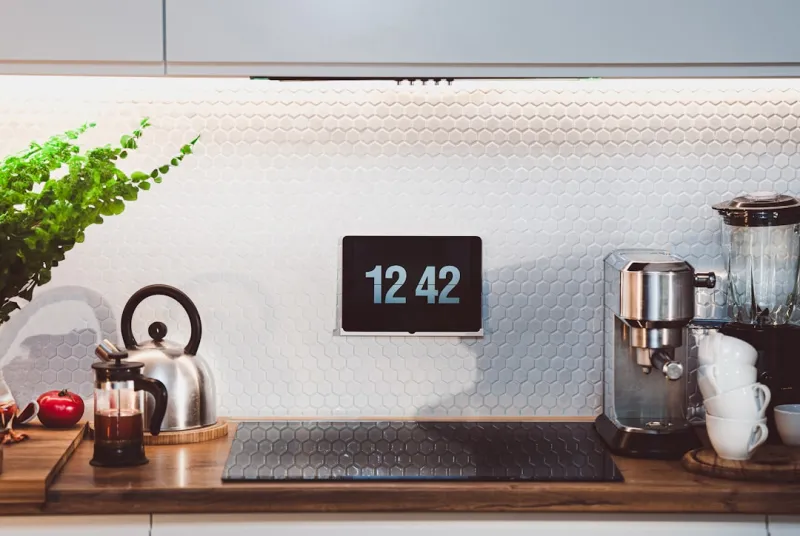
The Future of Home Appliances: Trends to Watch
The future of home appliances is exciting and full of possibilities. From smart appliances to eco-fr... Read More

The Quiet Revolution of Smart Kitchen Appliances
I’ve spent years testing the latest kitchen gadgets, and I’m finally sharing the hidden benefits... Read More
Top Posts

TikTok as a Live Product Discovery Lab for SaaS Teams
TikTok isn’t just a marketing channel—it’s a live laboratory for SaaS product discovery. By listening to comments, leveraging trends, and iterating in rea...Read More

Composable Frontends: How Micro‑Frontends Unlock Scalable Web Apps
Micro‑frontends let teams ship UI features independently, improve performance with edge delivery, and maintain a unified design. This guide walks you through ...Read More

Micro‑Movement Mastery: Turning Everyday Tasks into Wellness Wins
Micro‑movement turns everyday routines into powerful wellness moments. Learn simple, science‑backed habits that revitalize your body and mind, all while sta...Read More

Boat Cruises: A Comprehensive Guide to Determining If a Maritime Voyage is Your Ideal Vacation
The decision concerning the optimal vacation format involves careful consideration of personal preferences, logistical requirements, and desired experiences. A ...Read More
0 Comments
Post Comment
You will need to Login or Register to comment on this post!