
Why Smart Upgrades Matter
When I first started tinkering with home automation, I quickly realized that smart upgrades aren’t just flashy gadgets; they’re practical tools that can reshape daily comfort and long‑term equity. By treating each improvement as a small investment—whether it’s a programmable thermostat, a motion‑sensing lighting circuit, or a leak‑detecting sensor—I’ve watched my utility bills shrink while the house feels more responsive to my family’s rhythms. The real payoff, however, comes from the subtle confidence that every room now works with you, not against you, turning routine chores into almost invisible background processes.
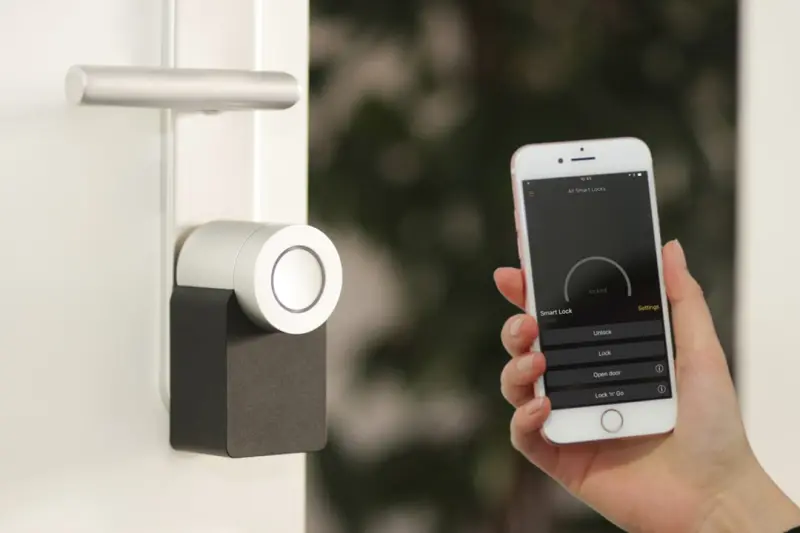
Most homeowners hesitate because they imagine a mountain of complexity, but the truth is that the most impactful upgrades often involve a single device that integrates seamlessly with existing infrastructure. I remember installing a Wi‑Fi‑enabled door lock on a whim; within weeks I was locking and unlocking doors from my phone while on a weekend hike, and the peace of mind was priceless. These moments illustrate how a modest tech addition can cascade into broader lifestyle benefits, from enhanced security to smoother morning routines that feel less like a scramble and more like a well‑orchestrated flow.
It’s also worth noting that smart upgrades can act as a catalyst for deeper home improvements, nudging you toward a more intentional renovation mindset. For instance, after adding smart bulbs, I found myself reevaluating my lighting layout, opting for layered illumination that supports both work and relaxation. This iterative approach mirrors the philosophy behind turning your living room into a curated gallery, where a single change sparks a cascade of design upgrades, each reinforcing the other and amplifying overall value.
Low‑Cost Tech Enhancements
One of the most rewarding projects I’ve tackled is retrofitting existing fixtures with smart controls, a strategy that delivers immediate comfort without the expense of full rewiring. By swapping out a standard switch for a smart dimmer, you gain the ability to schedule lighting scenes that align with sunrise, sunset, or your personal work schedule, cutting wasted electricity and creating ambience at the tap of a button. The installation is straightforward—often requiring only a screwdriver and a brief moment of patience—yet the impact on energy consumption and mood can be profound.
Another budget‑friendly win is the addition of smart power strips that monitor and cut power to idle devices, a subtle yet effective method to combat phantom loads that silently drain your bill. I installed these strips in my home office, and the monthly savings quickly covered the modest upfront cost, proving that even small, data‑driven choices can add up to noticeable financial relief. Pairing these strips with a simple energy‑tracking app gives you a clear visual of where power is being wasted, empowering you to make smarter decisions about device usage.
Don’t overlook the power of smart sensors for moisture and temperature, especially in areas prone to leaks or drafts. I placed a wireless humidity sensor in the basement; it instantly alerted me to a developing moisture issue, allowing a timely intervention before mold took hold. Such proactive detection not only preserves structural integrity but also safeguards health, underscoring the hidden value of these devices. For those curious about the underlying tech, exploring the secret power of semantic HTML for on‑page SEO can reveal how well‑structured data improves device communication, making your smart ecosystem more reliable and future‑proof.
Future‑Proofing Your Home
Looking ahead, the smartest upgrades are those that lay a flexible foundation for future technologies, ensuring your home remains adaptable as new standards emerge. Installing a robust, high‑bandwidth Wi‑Fi mesh system, for example, creates a reliable backbone that can accommodate everything from voice assistants to advanced security cameras without the need for costly rewiring later on. I opted for a mesh solution with a dedicated backhaul channel, which has already proven essential as I added multiple smart thermostats and a smart irrigation controller across the property.
Equally important is the integration of an energy‑monitoring hub that aggregates data from all smart devices, presenting a unified dashboard of consumption patterns and performance metrics. By visualizing real‑time usage, you can fine‑tune settings, identify inefficiencies, and even negotiate better rates with utility providers based on documented usage trends. This holistic view transforms your home into a living data set, where each upgrade contributes to a smarter, more sustainable ecosystem.
Finally, consider the resale advantage: buyers increasingly seek homes equipped with modern, interoperable tech, and a well‑documented smart infrastructure can be a decisive factor in negotiations. When I listed my house after completing these upgrades, the presence of a fully integrated system not only attracted more viewings but also justified a higher asking price, reinforcing the notion that strategic, future‑oriented improvements pay dividends both in comfort and market appeal.

Dale Peterson is a freelance writer with a passion for technology, travel, law and personal finance. With 10 years of experience crafting compelling and informative content, he's dedicated to delivering high-quality writing for Blogging Fusion that engages audiences and achieves specific goals.
Related Posts

Transform Your Home into a Wellness Oasis with Simple Improvements
Learn how to turn everyday rooms into health‑boosting spaces using light, air, sound, and biophili... Read More
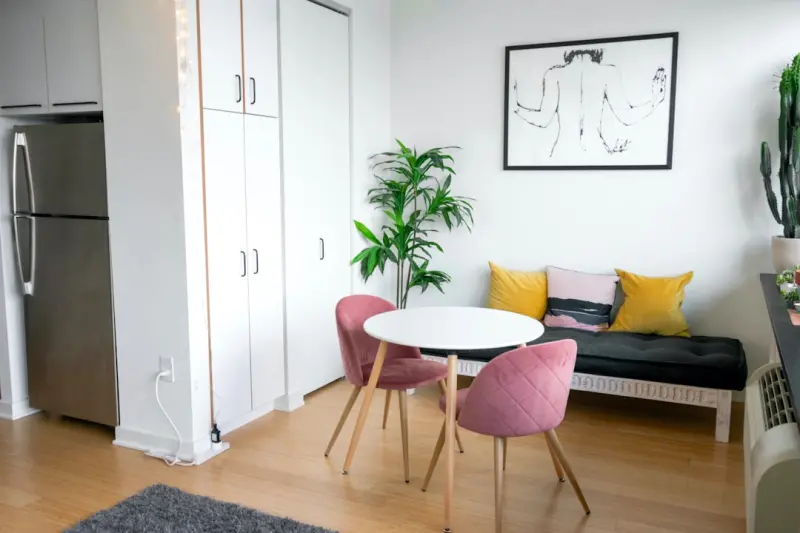
Reimagining Small‑Space Living: Smart Upgrades for Modern Homes
A personal guide to turning cramped quarters into a functional, stylish sanctuary using smart tech, ... Read More

Nature‑Infused Renovations: How to Turn Your Home Into a Living Oasis
Jill Hamilton shares practical steps to integrate biophilic design into any renovation, from dayligh... Read More
Top Posts

Reimagining Workplace Celebrations for the Hybrid Era
In a world where half the team logs in from home and half gathers in the office, traditional celebrations fall short. This post outlines a data‑driven, low‑...Read More

The Social Surge: How Co‑Op Gaming Is Redefining Friendships
Discover how co‑op games, AI-driven worlds, and cross‑play are turning solo play into shared adventures, forging lasting friendships in the digital age....Read More

Reimagining Home Hygiene: The Fusion of Nature, Data, and DIY Spirit
A deep dive into eco‑cleaning that blends microbial power, data‑driven tools, and community learning to create effective, low‑impact cleaning solutions fo...Read More

Leveling Up: How Gaming Shapes My Creative Rhythm
Discover how immersive gaming becomes a daily meditation, fostering creativity, community, and personal growth, all while balancing screen time and embracing su...Read More
0 Comments
Post Comment
You will need to Login or Register to comment on this post!