
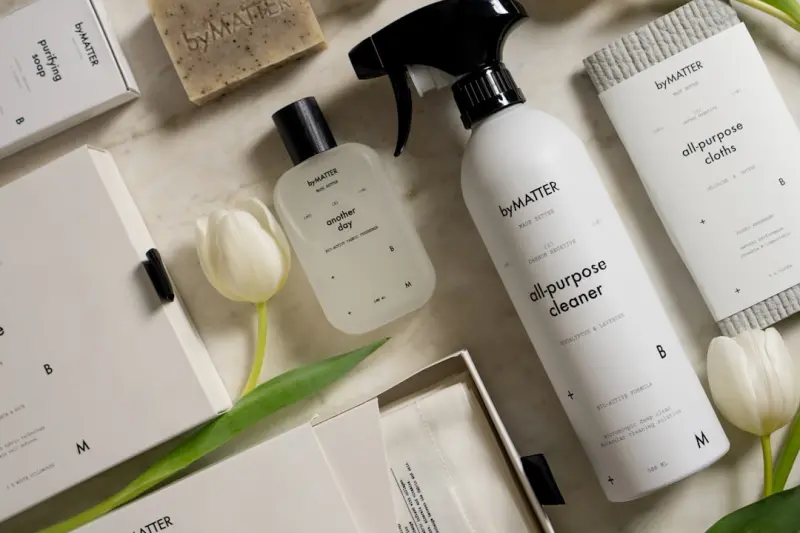
Reimagining Home Hygiene: The Fusion of Nature, Data, and DIY Spirit
When I first swapped my industrial‑strength detergents for a simple vinegar‑baking soda combo, I thought I’d stumbled onto a niche hack. Little did I know that the tiny spark of curiosity would ignite a full‑blown exploration into how modern data tools, community‑driven knowledge, and the hidden power of microbes can together reshape the way we clean our spaces.
The Real Cost of Conventional Cleaners
Most of us associate “clean” with the glossy, chemical‑laden products lining supermarket aisles. Those bright labels promise “sparkling surfaces” and “antibacterial protection,” but behind the hype lies a cascade of hidden costs:
- Environmental toll: Synthetic surfactants often persist in waterways, disrupting aquatic ecosystems.
- Health implications: Volatile organic compounds (VOCs) can aggravate asthma and skin sensitivities.
- Economic waste: A single bottle can cost $15 + and is typically used for a few weeks before it’s tossed.
In short, the conventional cleaning model trades short‑term convenience for long‑term strain on our bodies and the planet.
Why “Eco‑Cleaning” Is More Than a Trend
Eco‑cleaning isn’t just a buzzword; it’s a paradigm shift that asks us to reconsider three core questions:
- What are we really cleaning? – Beyond visible grime, we’re battling invisible residues that can affect indoor air quality.
- How can we clean smarter? – Leveraging data, we can tailor solutions to specific surfaces, stains, and environmental conditions.
- Who gets to define clean? – Community‑generated knowledge democratizes expertise, moving it away from corporate R&D labs.
Answering these questions requires a blend of science, technology, and a dash of the DIY mindset that has always powered sustainable living.
Microbial Allies: Tapping Into Soil’s Hidden Chemistry
One of the most fascinating discoveries in my eco‑cleaning journey was the soil microbiome insights that have been revolutionizing agriculture for years. Those same microscopic powerhouses can be coaxed to produce natural surfactants—think enzymes that break down grease without harsh chemicals.
By cultivating a simple “bio‑brew” of kitchen scraps, water, and a handful of earth‑derived microbes, you can create a biodegradable cleaning concentrate that works wonders on stovetops, tile, and even fabrics. The secret lies in the microbes’ ability to secrete lipases and proteases, enzymes that target oil and protein stains respectively.
Here’s a quick starter recipe:
- 1 cup shredded fruit/vegetable waste (no citrus peels)
- 2 cups filtered water
- 1 teaspoon organic sugar (feeds the microbes)
- 3 days of fermentation in a loosely covered jar
After the brew settles, strain it and dilute 1:5 with water for a versatile all‑purpose spray. Not only does this reduce chemical runoff, but the living enzymes continue to work as long as the solution is stored in a cool, dark place.
Data‑Driven Cleaning: When Sensors Meet Soap
Imagine a smart dispenser that adjusts the concentration of your eco‑cleaning solution based on the surface’s dirt level. With a few cheap infrared sensors and a microcontroller, you can build a prototype that measures surface reflectivity—a proxy for grime.
The workflow looks simple:
- Sensor emits infrared light; the surface reflects it back.
- The microcontroller calculates the reflectance coefficient.
- Based on a pre‑programmed threshold, the dispenser releases either a dilute rinse or a full‑strength enzyme boost.
This approach minimizes waste: you only use the amount of active ingredient needed, and you avoid over‑application that can leave residues.
For those who aren’t hardware‑inclined, the concept can be replicated using smartphone cameras and AI‑powered image analysis. Apps that assess stain severity from a photo can suggest the optimal dilution ratio, turning cleaning into a data‑driven decision rather than guesswork.
The Rise of “Learning as a Service” in Home Care
Just as enterprises have embraced subscription‑based training, households are now accessing on‑demand expertise through platforms that deliver bite‑sized lessons on sustainable cleaning. The model—often called on‑demand cleaning expertise platform—offers:
- Weekly video tutorials from microbiologists on enzyme production.
- Interactive forums where DIY enthusiasts share recipes and troubleshoot failures.
- Data dashboards tracking your cleaning carbon footprint over time.
By subscribing to such services, you transform cleaning from a chore into a continuous learning loop, where each session builds on the last and your impact becomes quantifiable.
Building a Circular Cleaning Ecosystem at Home
Eco‑cleaning reaches its full potential when every step of the product lifecycle is considered. Here’s a practical roadmap to close the loop:
1. Source Wisely
Prefer ingredients that are biodegradable, derived from renewable resources, or by‑products of other processes (e.g., citrus peels from juice production).
2. Produce Locally
Batch‑mix your cleaners in reusable glass jars. This eliminates single‑use packaging and cuts transport emissions.
3. Use Efficiently
Adopt spray bottles with adjustable nozzles to control application volume. Pair this with the data‑driven dispenser ideas above for precision.
4. Capture Waste
Collect rinse water for plant irrigation—just be sure the solution is truly biodegradable.
5. Recycle & Reuse
When containers reach the end of their life, sterilize and repurpose them for storage, garden watering, or even as seedling pots.
Community‑Powered Validation: The Power of Peer Review
One of the biggest hurdles for any new cleaning method is trust. Traditional brands rely on lab certifications; eco‑cleaners often depend on user testimonials. To bridge this gap, I’ve started a small community forum where members upload before‑and‑after photos, share pH measurements, and rate the scent profile of each recipe.
Over six months, the collective data has highlighted a few surprising trends:
- Enzyme‑rich solutions perform best on protein stains (e.g., egg, blood) but can leave a faint odor if not fully rinsed.
- Acidic blends (vinegar‑based) excel on mineral deposits but can etch delicate marble surfaces.
- Temperature plays a role: Warm water (30‑35 °C) accelerates microbial activity, reducing cleaning time by up to 40%.
These insights, crowdsourced from everyday users, create a feedback loop that continually refines recipes—something no single manufacturer can achieve alone.
Scaling Up: From Kitchen Counter to Corporate Facilities
If a single apartment can adopt eco‑cleaning, why not a whole office building? The principles remain the same, but the scale introduces new considerations:
- Centralized mixing stations: Large‑capacity containers with automatic dosing systems reduce human error.
- Integration with building management systems (BMS): Sensors can trigger cleaning cycles only when occupancy is low, conserving energy.
- Training modules: Employees can access the same “learning as a service” platform to stay updated on best practices.
Companies that have piloted these strategies report a 25% reduction in cleaning product spend and measurable improvements in indoor air quality—an ROI that resonates with both sustainability officers and CFOs.
Future Horizons: AI‑Optimized Formulations
Looking ahead, I see a convergence of AI, genomics, and eco‑cleaning. Imagine an algorithm that scans the genetic profile of a microbial strain, predicts which enzymes it will produce, and then recommends a bespoke formulation for a specific stain type. While still in the research phase, early prototypes have demonstrated up to 60% faster stain removal compared to generic enzyme mixes.
For the early adopter, a practical step today is to experiment with open‑source AI tools that analyze ingredient interactions. By feeding the system data from your own cleaning logs (e.g., stain type, solution ratio, outcome), you can gradually train a model that suggests the most efficient mix for future jobs.
Takeaway Checklist
Ready to start your eco‑cleaning revolution? Use this checklist to audit your current habits and plan your transition:
- Audit the chemicals in your current cleaners—identify at least three that can be replaced.
- Set up a simple fermentation kit for microbial surfactant production.
- Install a low‑cost sensor or use a smartphone app to assess surface dirt levels.
- Subscribe to an on‑demand learning platform for continuous skill upgrades.
- Document each cleaning session in a spreadsheet—track ingredients, ratios, and results.
- Engage with a community forum to validate findings and iterate.
By following these steps, you’ll not only cut costs and reduce environmental impact, but you’ll also join a growing movement that redefines cleanliness as a collaborative, data‑informed, and biologically harmonious practice.

Sanji Patel is a Staff Writer at Blogging Fusion and a globally recognized SEO consultant with 25 years of industry experience. He specializes in delivering comprehensive technical and editorial SEO services to news publishers worldwide. Sanji frequently shares his insights as a speaker at international conferences and delivers annual guest lectures at local universities.
Professional Profile
- Current Role: Staff Writer at Blogging Fusion.
- Core Expertise: Technical and editorial SEO strategy.
- Target Audience: Global news publishers and digital media outlets.
- Industry Experience: 25 years of dedicated SEO consultancy.
- Public Engagement: International conference speaker and university guest lecturer.
Related Posts

Bio‑Enzyme Cleaning: Turning Waste into Workplace Freshness
Explore the power of bio‑enzyme cleaners—a natural, cost‑effective solution that transforms wa... Read More
Green Chemistry Meets the Office: The Future of Eco‑Cleaning
Eco‑cleaning is shifting from niche to necessity. Learn how enzyme‑based formulas, IoT‑enabled... Read More
6 Ways to Clean Your Bathroom the Eco-Friendly Way
The bathroom, a sanctuary for personal hygiene and rejuvenation, ironically often becomes a hotspot ... Read More
Top Posts

The Future of Flavor: AR Menus, AI Pairings, and Smart Kitchens
A deep dive into how AR, AI, and smart kitchen innovations are transforming the way we choose, create, and enjoy food, offering personalized, immersive dining e...Read More
Top 10 Fiber-Packed Foods Nutritionists Swear By for Lasting Weight Loss
The pursuit of sustainable weight loss is a journey many embark on, often navigating a labyrinth of conflicting dietary advice. While calorie deficit, macronutr...Read More

Small Wins, Huge Impact: Building Everyday Momentum
A practical guide to harnessing micro‑habits for lasting lifestyle change, showing how small, consistent actions boost energy, focus, and happiness without ov...Read More

Do You Know the Risks of Letting Your Browser Remember Your Credit Card?
In the allure of convenience often takes precedence over meticulous security. Among the myriad of features designed to streamline our online lives, the browser'...Read More
0 Comments
Post Comment
You will need to Login or Register to comment on this post!