

Learning as a Service: Rethinking Professional Development in the Subscription Era
When I first started building SaaS tools for internal teams, I quickly realized that the biggest bottleneck wasn’t the technology—it was the knowledge gap. Traditional corporate training programs feel like relics from a pre‑Internet age: static PDFs, one‑off workshops, and a perpetual lag between skill demand and delivery. In my own journey, I’ve seen how a subscription mindset can flip that script, turning learning into a living, evolving service that scales with the business.
In this post I’ll walk you through the three pillars that make Learning as a Service (LaaS) tick, share concrete tactics you can adopt today, and explain why the shift matters for every SaaS company that wants to stay ahead of the talent curve.
The Subscription Mindset Meets Education
At its core, a SaaS product promises continual value through ongoing updates, usage‑based pricing, and a focus on customer success. Why should learning stay stuck in a “buy‑once‑use‑forever” model?
- Continuous Delivery. Just as you push code updates weekly, you can push new learning modules as market needs evolve.
- Scalable Access. A subscription model removes the “seat‑license” barrier—any employee, anywhere, can tap into the same curriculum.
- Data‑Driven Optimization. SaaS platforms already collect usage metrics. Apply that same telemetry to track learning outcomes, completion rates, and skill adoption.
This convergence creates a virtuous loop: better‑trained teams deliver higher‑quality products, which in turn generate more revenue to fund richer learning experiences.
Three Pillars of LaaS
1. Modular Learning Architecture
Think of each learning unit as a micro‑service. Instead of a monolithic “training manual,” you build interchangeable modules that can be swapped in, out, or combined on demand. This mirrors the way modern SaaS teams structure their codebases—independent, testable, and reusable.
Key benefits include:
- Rapid Assembly. When a new feature lands, you can stitch together existing modules (e.g., “API fundamentals,” “security best practices”) with a brand‑new “feature rollout” module.
- Personalized Paths. Employees can curate their own learning journeys by selecting modules that align with their role and growth aspirations.
- Future‑Proofing. As technology shifts, you retire outdated modules without overhauling the entire curriculum.
When designing these modules, keep them bite‑sized (5‑15 minutes each) and outcome‑focused. A clear learning objective—like “Deploy a zero‑trust architecture for a web app”—helps learners see the immediate relevance.
2. Real‑Time Feedback Loops
One of SaaS’s greatest strengths is its ability to gather real‑time usage data. Apply that to education by embedding analytics directly into the learning experience:
- Track quiz scores and time‑on‑task to spot knowledge gaps.
- Use Zero‑Trust Security Playbook for WordPress Sites as a model for embedding interactive labs that automatically validate a learner’s configuration.
- Provide instant, AI‑driven hints or supplemental resources when a learner struggles.
These loops create a feedback‑rich environment where both the learner and the learning team can iterate quickly. It’s the same agile philosophy we use for product development, now applied to skill development.
3. Community‑Centric Knowledge Sharing
Learning doesn’t happen in a vacuum. In thriving SaaS companies, knowledge is a shared asset, not a siloed department. Encourage peer‑to‑peer teaching through:
- Live “office hours” where senior engineers walk through recent code changes.
- Internal discussion boards that surface “how‑to” snippets and best‑practice guides.
- Cross‑functional hackathons that blend product, design, and data teams around a common learning goal.
This communal approach mirrors the collaborative culture that fuels successful SaaS products. When engineers, marketers, and customer success reps learn from each other, you break down the “us vs. them” mentality that often stalls innovation.
Getting Started: A Step‑by‑Step Playbook
- Audit Existing Content. Map out all current training assets—slides, PDFs, recorded webinars. Tag them by topic, length, and audience.
- Chunk Into Modules. Convert each asset into a modular format: a short video, an interactive lab, or a quiz. Aim for 10‑minute consumption blocks.
- Build a Learning Management System (LMS) That Feels Like SaaS. Choose an LMS that supports API integrations, real‑time analytics, and single sign‑on. If you have internal dev resources, consider extending your product’s API to feed learning data back into your HR dashboard.
- Launch a Pilot Cohort. Select a cross‑section of employees to test the new LaaS experience. Collect feedback on module relevance, difficulty, and platform usability.
- Iterate with Data. Use the analytics collected to refine modules, adjust difficulty, and identify new content gaps. Treat each iteration as a sprint.
- Scale and Celebrate Wins. Roll out the refined curriculum company‑wide. Highlight success stories—e.g., “Team A reduced bug count by 30% after completing the ‘Secure API Development’ module.”
Why LaaS Beats Traditional LMS
Traditional LMS platforms often act as static repositories, offering little in the way of continuous improvement. LaaS, by contrast, embeds three core SaaS principles—continuous delivery, data‑driven decision‑making, and community collaboration—into the learning experience.
Consider the impact on two critical business metrics:
- Time‑to‑Productivity. New hires can start contributing faster when they have on‑demand, role‑specific modules rather than generic onboarding courses.
- Retention. Employees who see a clear, evolving path for skill growth are 25% more likely to stay beyond the typical 2‑year mark.
These outcomes aren’t hypothetical. Companies that have adopted a LaaS mindset report measurable improvements in both employee satisfaction scores and product quality.
Addressing Common Concerns
“We don’t have the budget for a new LMS.”
Start small. Repurpose existing content, use low‑cost authoring tools, and leverage the free tier of cloud‑based LMS solutions that already offer API access. The key is to treat learning as an incremental investment that pays for itself through higher productivity.
“Our team is too busy for more training.”
Micro‑learning is the antidote. By delivering 5‑minute modules that can be completed during a coffee break, you reduce the perceived time cost. Moreover, real‑time analytics prove that short, frequent learning spikes retention better than marathon sessions.
“We need to ensure the content stays up‑to‑date.”
Because modules are independent, you only need to update the pieces that change—similar to patching a software component. Set a quarterly review cadence and assign ownership of each module to a subject‑matter expert.
Future‑Proofing Your Learning Strategy
As AI, AR/VR, and immersive tech mature, the next wave of LaaS will blend these experiences into the curriculum. Imagine a sales rep stepping into a virtual client meeting simulation, or a developer debugging code in a shared 3‑D environment. While those technologies are still emerging, the modular, data‑centric foundation you build today will make it painless to integrate them tomorrow.
In the meantime, focus on the fundamentals: modular design, real‑time feedback, and community. Treat your learning platform as a product—iterate, listen to users, and ship improvements continuously. When you do, you’ll see the same momentum that powers successful SaaS ventures spill over into your organization’s most valuable asset: its people.
Ready to start building your own Learning as a Service engine? Dive into the Edge‑First Web Development: Bringing Latency to Its Knees playbook for tips on creating ultra‑responsive, cloud‑native experiences that can be repurposed for fast, interactive learning modules. And don’t forget to keep sustainability in mind—our Eco‑Friendly SaaS guide shows how to power your LaaS platform with greener infrastructure, reducing both cost and carbon footprint.
Learning is no longer a static line item on the HR budget. It’s a living service that can be engineered, measured, and scaled just like any other SaaS product. Embrace that reality, and watch your team transform from capable to unstoppable.

Brad Hays is a freelance writer known for his versatile skill set and ability to craft compelling content across a wide range of industries.
Related Posts

When Curiosity Leads the Classroom: A Fresh Take on Modern Learning
A new perspective on education that puts curiosity first, empowers student voice, reimagines assessm... Read More
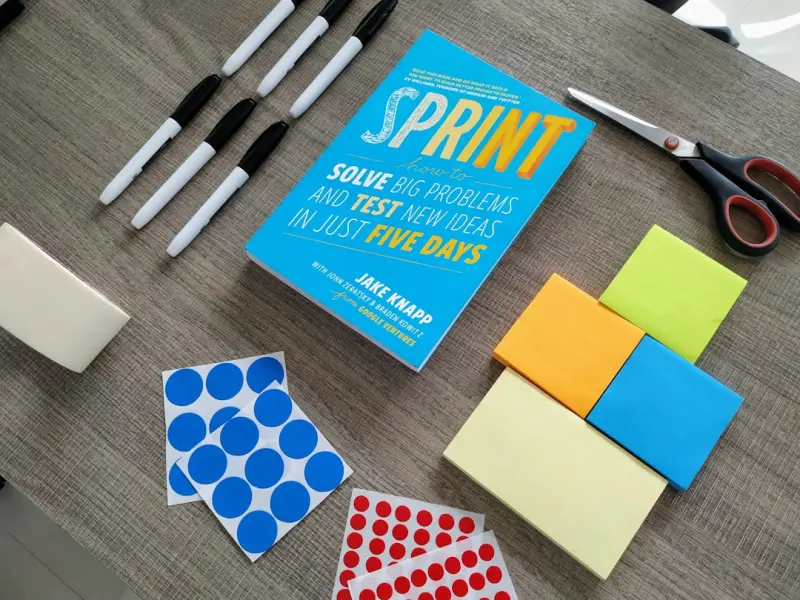
Creative Sprints in the Classroom: A New Playbook for Engaged Learning
A deep dive into how creative sprints turn ordinary lessons into dynamic, fast‑paced projects that... Read More

Great Online Courses to Get Your Degree
The landscape of higher education has undergone a profound transformation in recent decades. What wa... Read More
Top Posts

Shared Hosting in 2024: Why It Still Beats the Hype
Shared hosting continues to deliver unbeatable value for small sites in 2024. From cost savings to solid performance and security, learn why it’s still the go...Read More

The Art of Gift‑Giving in 2024: Trends, Tech, and Thoughtful Choices
Paul Flynn uncovers 2024’s hottest gift ideas, blending sustainability, tech, and personal touches to help you give with intention and style....Read More
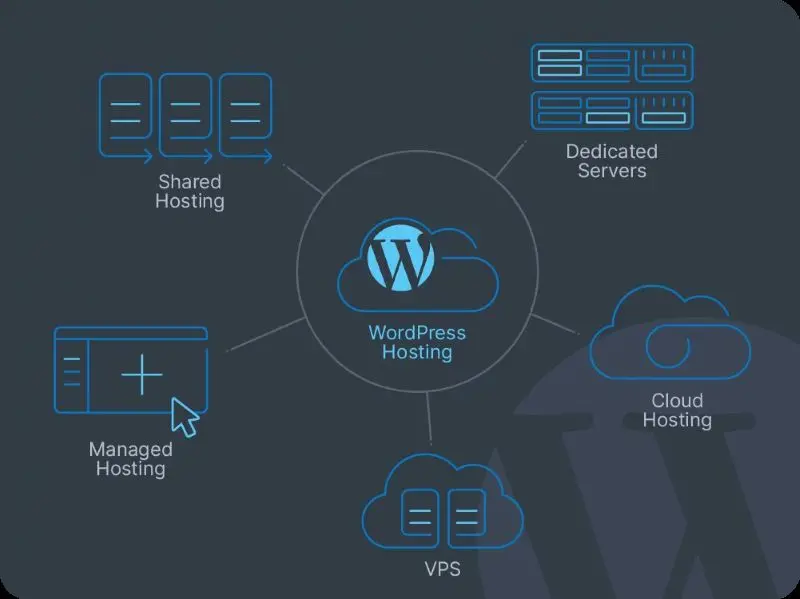
The Quiet Power of Managed WordPress Hosting for Modern Creators
Explore why managed WordPress hosting is the invisible engine behind faster sites, stronger security, and higher conversions, and get a practical checklist to m...Read More

Play‑Based Learning: Turning Everyday Fun into Future‑Ready Skills
A deep dive into why play isn’t a distraction but a powerful engine for curiosity, resilience, and real‑world competence, with actionable steps for families...Read More
0 Comments
Post Comment
You will need to Login or Register to comment on this post!