
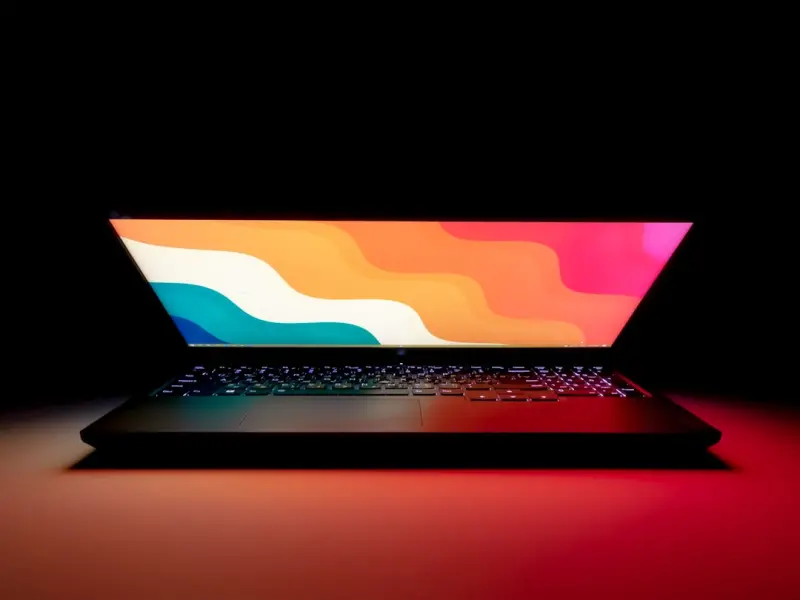
Why Modular Laptops Are the Next Big Thing for Remote Professionals
When the pandemic forced us all into a permanent work‑from‑home routine, the laptop became more than a device—it turned into a mobile office, a creative studio, and sometimes even a gaming hub. Yet, most of the machines we bought a few years ago were designed for a static set of specs: a fixed CPU, a soldered‑on battery, and a non‑upgradeable GPU. Enter the era of modular laptops, where you can swap out components just as you would upgrade a desktop tower.
From a software‑first perspective, this shift isn’t just a hardware fad; it’s a strategic move that aligns perfectly with the evolving demands of SaaS teams, developers, and knowledge workers who need to stay ahead of the curve without constantly buying new machines.
What Makes a Laptop “Modular”?
Modularity in laptops can be broken down into three core dimensions:
- Component Swappability – CPUs, GPUs, storage, and even the display can be replaced or upgraded without voiding the warranty.
- Standardized Interfaces – Think of the Thunderbolt 4 ecosystem, M.2 slots, and emerging “Laptop‑PCIe” connectors that make swapping parts as simple as plugging in a USB‑C device.
- Future‑Proof Design – A chassis that anticipates new tech, with enough thermal headroom and power delivery to handle next‑gen silicon.
These pillars enable a new kind of lifecycle: you buy a base frame and upgrade the internals as your workload changes. It’s the laptop equivalent of the “build‑your‑own” desktop experience that many tech enthusiasts have loved for decades.
The Business Case: Cost, Sustainability, and Speed to Market
From the perspective of a B2B SaaS leader, the financial implications are significant. A traditional laptop refresh cycle typically runs every two to three years, costing anywhere from $1,200 to $3,000 per employee. Over a 100‑person engineering team, that adds up to a six‑figure expense every few years. Modular laptops can reduce that cost dramatically.
Consider this simplified model:
- Base frame (reusable for 5‑7 years): $800
- CPU upgrade every 2 years: $300
- GPU upgrade every 3 years: $400
- Storage upgrade yearly: $100
Over a seven‑year horizon, the total comes to roughly $2,500 per seat—a 15‑20% reduction compared to replacing the entire machine each cycle.
Beyond pure cost, there’s a sustainability angle. The e‑waste generated by discarded laptops is a growing environmental concern. By extending the useful life of the chassis and only swapping out the components that truly need refresh, companies can dramatically lower their carbon footprint. This aligns with the broader corporate responsibility goals that many SaaS firms are now publicly championing.
Performance Benefits for Power Users
Developers, data scientists, and product designers often need more horsepower than the average office worker. With modular laptops, you can tailor the hardware to the task at hand:
- AI/ML workloads – Swap in a dedicated AI accelerator card, similar to the NVIDIA RTX series, without needing a separate workstation.
- High‑resolution media editing – Upgrade to a GPU with higher VRAM and a 4K‑capable display panel without replacing the whole system.
- Heavy multitasking – Add extra RAM modules and fast NVMe storage to keep your IDEs, containers, and databases running smoothly.
Because the chassis is built to handle higher thermal loads, you avoid the throttling issues that plague many ultra‑thin consumer laptops when they’re pushed to their limits.
Real‑World Use Cases
Let’s look at three scenarios where modular laptops make a tangible difference.
1. The Remote Development Team
A distributed software team often needs to test code on multiple architectures. With a modular laptop, a developer can quickly swap out a CPU module to emulate ARM‑based servers, or add an external FPGA card for low‑level testing. This flexibility reduces reliance on cloud‑based test environments, cutting both cost and latency.
2. The Creative Agency
Graphic designers and video editors typically need high‑end GPUs for rendering. Instead of purchasing a new workstation each year, they can keep the same sleek chassis and upgrade the GPU module as rendering engines become more demanding. The result? Consistent performance, a lighter travel bag, and a lower total cost of ownership.
3. The Enterprise Security Team
Security professionals often run intensive penetration testing tools that require raw CPU cycles. A modular laptop lets them install a higher‑core‑count processor for those heavy tasks, then revert to a power‑efficient chip for everyday use—extending battery life while still delivering the grunt when needed.
Key Considerations Before Buying
While the benefits are compelling, there are a few practical factors to weigh:
- Vendor Ecosystem – Not all manufacturers support true modularity. Look for brands that have an open‑source hardware roadmap and a thriving third‑party component market.
- Warranty Terms – Some companies limit warranty coverage once you open the chassis. Choose vendors that offer “upgrade‑friendly” warranties.
- Thermal Design – Upgrading to a more powerful CPU or GPU may require additional cooling solutions. Ensure the chassis includes modular heat‑pipe or vapor‑chamber options.
- Software Compatibility – Verify that your operating system and driver stack support hot‑swap or post‑upgrade configuration without requiring a full reinstall.
How to Future‑Proof Your Setup
Even with a modular laptop, you should adopt best practices that keep your machine ready for tomorrow’s demands:
- Invest in a high‑capacity power delivery system. A 130W or higher charger gives you headroom for future, power‑hungry components.
- Maintain a clean BIOS/UEFI environment. Keep firmware updated to recognize new hardware modules instantly.
- Leverage a privacy‑first marketing stack mindset for your device. Treat your laptop as a data asset—encrypt storage, use secure boot, and enforce zero‑trust principles at the hardware level.
- Document every upgrade. Track serial numbers, firmware versions, and performance benchmarks so you can roll back if a component underperforms.
Industry Leaders Paving the Way
Several manufacturers are already embracing modularity:
- Framework – Their laptop is built around replaceable mainboards, RAM, storage, and even ports. The company offers a “Marketplace” for third‑party modules, ranging from extra battery packs to alternate keyboards.
- Purism Librem – Focused on security, their devices feature removable Wi‑Fi cards and a modular BIOS that supports open‑source firmware.
- HP Elite Dragonfly – While not fully modular, it offers a swappable “tethered” GPU and easy access to SSD and RAM slots.
These examples show that the market is shifting from a “throw‑away” mentality to a more sustainable, upgradeable approach.
Potential Challenges and How to Overcome Them
Every new technology faces early hurdles. Here’s how you can mitigate the most common concerns:
- Higher upfront cost – The base chassis may be pricier than a traditional laptop, but the long‑term savings on upgrades and reduced e‑waste quickly offset this expense.
- Component availability – Modular ecosystems are still maturing. Partner with reputable vendors and consider stocking spare modules for critical roles.
- Learning curve – IT teams need training on how to safely swap components. Develop internal playbooks and run pilot programs before a company‑wide rollout.
Integrating Modular Laptops into Your SaaS Workflow
From a SaaS product perspective, the hardware your team uses directly impacts development velocity, deployment speed, and overall product quality. By standardizing on modular laptops, you create a “hardware as a service” layer that mirrors the flexibility of your software stack.
Imagine a scenario where a new AI feature requires a GPU with 24 GB of VRAM. Instead of ordering brand‑new workstations, your IT team simply installs the required GPU module into existing frames, gets the engineers up and running within days, and later swaps the module out for a different project. This agility translates into faster time‑to‑market and a more resilient engineering organization.
Conclusion: A Modular Mindset for the Modern Workforce
As remote and hybrid work become the new norm, the tools we rely on must evolve to match the flexibility we demand. Modular laptops represent a convergence of sustainability, cost efficiency, and performance that aligns perfectly with the needs of today’s SaaS professionals. By embracing this hardware paradigm, companies can empower their teams to adapt, innovate, and stay ahead of the technological curve—without the constant churn of buying entirely new machines.
So the next time you’re planning your hardware refresh, ask yourself: Am I building a foundation that can grow with my team? If the answer is anything less than a confident “yes,” it may be time to explore the modular laptop ecosystem and future‑proof your remote workforce.

Jody Henderson is a passionate freelance writer, driven by a love for storytelling and a keen eye for detail. With a versatile skillset, she crafts compelling content across a variety of niches, from engaging blog posts to informative articles and persuasive marketing copy.
Related Posts
Why 2024 Is the Year of the Revolutionary Laptop: A Tech Insider’s Take
Sanji Patel breaks down 2024’s laptop landscape, highlighting AI co‑pilots, sustainable builds, ... Read More

How to Delete the 4GB File That Chrome has Secretly Installed on Your Device
Discover why your browser is taking up gigabytes of space and learn how to safely delete that myster... Read More
The Desktop Replacement Dilemma: How to Find Your Perfect Big-Screen Laptop
For years, the industry mantra was "smaller is better." We chased thinness, lightness, and portabili... Read More
Top Posts

Directory Submission Sites Google Still Likes
Search engine optimization (SEO) is a dynamic and ever-evolving field, with new strategies and techniques emerging constantly. One of the long-standing tactics ...Read More

Future‑Proofing SEO for the Age of Generative Search
Discover a step‑by‑step strategy for making your site AI‑ready, using semantic clustering, structured data, and intent‑first content to thrive in Google...Read More

Why Industrial Products Need a Sprint Mindset to Stay Ahead
A sprint mindset is reshaping industrial products, delivering speed, sustainability, and security. Learn how manufacturers can sprint ahead of the competition....Read More

Why Micro‑Interactions Are the Secret Sauce of Modern Web Design
Micro‑interactions are the tiny, purposeful animations that turn ordinary clicks into memorable experiences. This post explores their psychological impact, pr...Read More
0 Comments
Post Comment
You will need to Login or Register to comment on this post!