

When I first swapped my conventional bleach for a handful of citrus peels and baking soda, I didn’t expect the kitchen to become a laboratory of scent and sparkle. The shift wasn’t just about swapping chemicals; it was a mindset overhaul that turned everyday chores into experiments in sustainability. I began to see cleaning as a series of chemical reactions you could control, tweak, and perfect without harming the planet. That curiosity led me down the rabbit hole of enzyme‑based cleaners, a niche that promises powerful grime‑busting action while keeping the water cycle pristine.
Why Enzymes Are the Unsung Heroes of Eco‑Cleaning
Enzymes are biological catalysts that accelerate the breakdown of organic stains, from greasy stovetops to stubborn pet urine. Unlike harsh surfactants, they target the molecular bonds that bind dirt, turning them into harmless particles that rinse away with ease. The beauty lies in their specificity: proteases attack protein‑based messes, lipases dissolve fats, and amylases dismantle starches. By harnessing these natural agents, you can create a cleaning solution that works faster, requires less water, and eliminates the need for synthetic fragrances that often trigger allergies.
DIY Enzyme Cleaner: The Simple Recipe That Works
Gather a few pantry staples—a cup of sugar, a tablespoon of citrus peels, and a quart of warm water—and let nature do the heavy lifting. Dissolve the sugar, add the peels, and seal the mixture in a glass jar for two weeks, shaking it daily. During this fermentation period, naturally occurring microbes produce a cocktail of enzymes ready to tackle grime. Once the brew is ready, strain out the solids and store the liquid in a spray bottle; it’s a versatile cleaner for countertops, floors, and even laundry.
Integrating Enzyme Cleaners With modular tool systems
To maximize the efficiency of your new enzyme solution, pair it with a set of modular cleaning tools that adapt to any surface. These systems let you swap heads—soft microfiber for delicate glass, stiff bristles for grout—without cluttering your cabinets. The result is a streamlined, waste‑free approach: one bottle of enzyme cleaner, one adaptable tool kit, and a dramatically reduced footprint compared to a cupboard full of single‑purpose products. The modularity also encourages you to think creatively, repurposing tools for tasks like scrubbing indoor plant pots or polishing vintage metal fixtures.
Zero‑Waste Packaging: Going Beyond the Bottle
Even the most eco‑friendly formula can fall short if its packaging ends up in a landfill. I’ve transitioned to reusable glass spray bottles with silicone sleeves that protect against breakage and provide a secure grip. When the bottle is empty, a quick rinse and refill from a bulk dispenser eliminates the need for new plastic each time. For those who prefer travel‑size options, I recommend refilling aluminum tins that seal tightly and can double as portable spice jars once the cleaning duty is done.
Addressing Common Myths About Natural Cleaners
Many skeptics claim that natural cleaners lack the power of commercial chemicals, but the science tells a different story. Enzymes work at a molecular level, often outperforming surfactants that merely lift dirt without breaking it down. Another myth is that natural solutions are messy or time‑consuming; in reality, the fermentation process is hands‑off, and the final product is a clear, odor‑free liquid that stores for months. Lastly, there’s a misconception that eco‑cleaning is pricey—by sourcing ingredients from your kitchen pantry, the cost per ounce can be a fraction of store‑bought alternatives.
Scaling Up: From Kitchen Counter to Whole‑Home Care
Once you’ve mastered the kitchen formula, expanding to bathroom, laundry, and even outdoor surfaces is straightforward. Adjust the concentration: a stronger mix for heavy‑duty tasks like tile grout, a milder blend for delicate surfaces like marble. Pair the enzyme solution with a soft‑bristled brush for bathroom tiles, or a mop head made from recycled cotton for hardwood floors. The same principle applies outdoors—spray the diluted mix on patio furniture to dissolve mildew without harming the wood fibers.
Connecting Eco‑Cleaning With a Healthier Home Environment
Traditional cleaners often contain volatile organic compounds (VOCs) that linger in the air, aggravating respiratory issues and diminishing indoor air quality. By opting for enzyme‑based formulas, you replace those invisible pollutants with biodegradable ingredients that evaporate harmlessly. This shift not only benefits the planet but also creates a sanctuary for families, pets, and plants, reducing the risk of allergic reactions and fostering a sense of wellbeing that aligns with a holistic approach to home health.
Next Steps: Building a Community of Sustainable Cleaners
Eco‑cleaning thrives on shared knowledge and collective experimentation. I encourage you to join online forums, attend local workshops, or start a neighborhood swap where you exchange recipes, reusable containers, and success stories. By linking up with like‑minded individuals, you can refine your enzyme blends, discover new applications, and even collaborate on larger projects like community garden composting stations that feed the microbes behind your cleaners. For a broader perspective on creating a healthier living space, explore how to turn your dwelling into a wellness oasis through simple, intentional improvements.

David Moore is a freelance writer specializing in two dynamic and ever-evolving fields: gambling and the tech industry. With a keen eye for detail and a knack for unraveling complex topics, David delivers insightful and engaging content that keeps readers informed and entertained.
Related Posts

Enzyme‑Powered Eco‑Cleaning: Turning Kitchen Scraps into Spotless Surfaces
Enzyme cleaners turn everyday organic waste into a potent, eco‑friendly cleaning agent. Learn how ... Read More

The Secret Sauce Behind Truly Green Offices: Eco‑Cleaning Strategies That Scale
A deep dive into how businesses can transform routine cleaning into a sustainable, data‑driven, an... Read More
Cleaning the Climate: How Tiny Swaps in Your Routine Can Cut Carbon Emissions
A data‑driven guide reveals the hidden carbon cost of conventional cleaners, debunks green‑label... Read More
Top Posts

Navigating the Legal Labyrinth of SaaS Subscription Agreements
A deep dive into the often‑overlooked legal challenges of SaaS subscription agreements, from data‑privacy compliance to jurisdictional nuances, offering act...Read More

From Side Hustle to Main Stage: Crafting a Portfolio Career That Works
Discover how to blend your passions and part‑time projects into a powerful portfolio career, gaining flexibility, resilience, and long‑term growth—all wit...Read More

Content Marketing: Rose DesRochers’ Playbook for 2024
Rose DesRochers shares a guide to 2024 content marketing, blending data storytelling, short‑form video, AI‑driven SEO, and authentic brand voice for unstopp...Read More
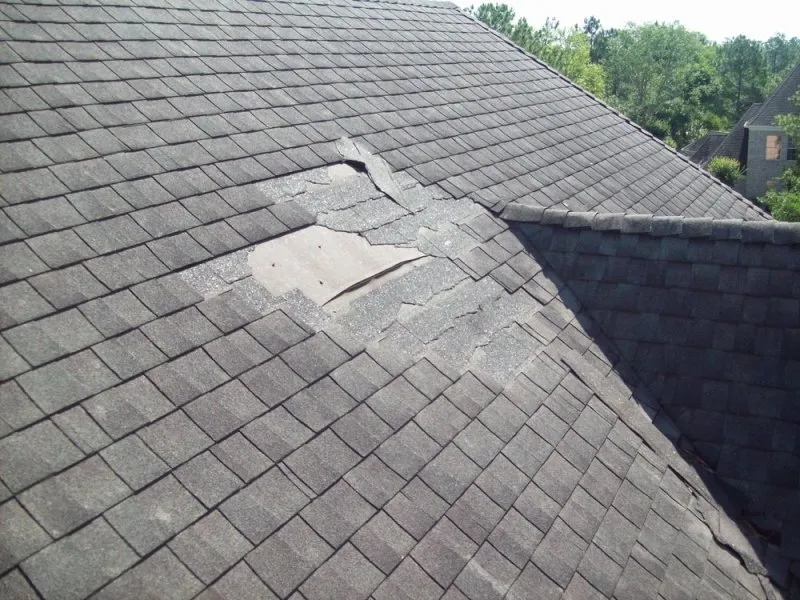
Signs That Your Roof Needs Repair
Your roof is the first line of defense against the elements, protecting your home and family from rain, snow, wind, and sun. It's easy to take it for granted wh...Read More
0 Comments
Post Comment
You will need to Login or Register to comment on this post!