

Why Enzymes Are the Unsung Heroes of Eco‑Cleaning
When I first stumbled upon a bottle of enzyme‑based cleaner at a local co‑op, I expected the usual “natural” buzz‑words—plant extracts, citrus scents, “green” certifications. What I found instead was a microscopic powerhouse that turns everyday organic waste into a cleaning catalyst. As someone who’s spent years juggling SaaS product roll‑outs and a never‑ending list of home chores, I quickly realized that enzymes could bridge the gap between high‑tech efficiency and low‑tech sustainability. This isn’t just another “DIY vinegar hack”; it’s a science‑backed approach that lets you recycle kitchen scraps, cut chemical exposure, and still get that sparkling finish you demand.
The Science in a Bottle: How Enzyme Cleaners Work
Enzymes are proteins that accelerate biochemical reactions—think of them as the body’s own tiny technicians. In the context of cleaning, we primarily work with three types:
- Proteases break down protein‑based stains like egg, blood, and dairy.
- Amylases dissolve starches found in sauces, baby food, and pet food messes.
- Lipases tackle oily residues from butter, cooking oil, and greasy fingerprints.
When you pour an enzyme solution onto a surface, these catalysts latch onto the organic molecules, fragmenting them into smaller, water‑soluble components. The result is a stain that lifts away with a simple wipe—no harsh surfactants, no lingering residues.
From Kitchen Scraps to Cleaning Gold
One of the most compelling aspects of enzyme cleaners is that they can be fed with your own organic waste. A simple mixture of citrus peels, banana skins, and a splash of water creates an environment where naturally occurring microbes flourish, producing the enzymes you need. Here’s a quick starter recipe I use after dinner:
- Collect a cup of assorted fruit and vegetable peels (avoid meat and dairy).
- Blend with half a cup of water until smooth.
- Transfer to a glass jar, seal loosely, and let ferment for 48‑72 hours at room temperature.
- Strain and pour the liquid into a spray bottle. Add a few drops of essential oil if you enjoy fragrance.
After the fermentation period, the brew is teeming with proteases, amylases, and lipases ready to dissolve tomorrow’s messes. The best part? You’ve turned what would be landfill waste into a reusable cleaning agent.
Eco‑Cleaning Meets Indoor Air Quality
Conventional cleaners often contain volatile organic compounds (VOCs) that linger in the air, aggravating asthma and allergies. Enzyme cleaners, by contrast, are essentially water‑based with biodegradable proteins. Using them across the home can reduce VOC load, improving indoor air quality—a benefit that aligns perfectly with the cultivating a microbial garden mindset of nurturing beneficial microbes for healthier environments.
When you replace a chemical bathroom spray with an enzyme solution, you’ll notice fewer chemical fumes, especially in small apartments where ventilation is limited. The enzymes work at ambient temperature, meaning you don’t need to heat water to activate them, further cutting down on energy consumption.
Scaling Enzyme Cleaning for the Office
Most of the eco‑cleaning conversation focuses on the home, but the same principles apply to corporate spaces. In my role consulting for B2B SaaS firms, I’ve seen a growing demand for “green office” certifications. Here’s how enzyme cleaning can help meet those standards:
- Bulk Production: Create a central fermentation station in a break‑room or utility closet. One batch can service dozens of desks and conference rooms.
- Consistent Branding: Use custom‑labeled spray bottles that match your company’s color palette, reinforcing your sustainability narrative.
- Employee Engagement: Turn the preparation of the enzyme solution into a team‑building activity. When staff participate, they’re more likely to adopt eco‑friendly habits.
Integrating this practice not only reduces cleaning costs (you’re buying fewer expensive chemicals) but also positions your brand as a leader in corporate responsibility.
Enzyme Cleaning as a Digital‑Detox Ritual
Cleaning has a surprisingly meditative quality. When you focus on the tactile act of wiping, scrubbing, and watching a stain dissolve, you’re naturally shifting away from screens. This ties directly into the concept of why unplugging together beats scrolling apart. By scheduling a weekly “enzyme cleaning hour,” families and coworkers can gather, power down devices, and collaborate on a tangible task.
The benefits are twofold:
- Mindful Presence: The repetitive motions and visual transformation provide instant feedback, reinforcing a sense of accomplishment.
- Strengthened Relationships: Working side‑by‑side on a shared goal builds camaraderie, mirroring the social benefits highlighted in the unplugging study.
Choosing the Right Enzyme Product: What to Look For
If you prefer a ready‑made solution, the market offers a variety of enzyme cleaners. Here’s my quick checklist:
- Ingredient Transparency: Look for a label that lists the specific enzymes (protease, amylase, lipase) and their sources.
- Biodegradability Rating: Products certified by third‑party eco‑labels (e.g., EcoLogo, Green Seal) are a safe bet.
- pH Balance: A neutral to slightly acidic pH (5.5‑7) is ideal for most household surfaces without damaging finishes.
- Fragrance-Free Options: Essential oils can be added, but a fragrance‑free base reduces the risk of allergens.
Don’t be swayed by “ultra‑concentrated” claims that often mask hidden chemicals. A well‑formulated enzyme cleaner should be effective at low dilution ratios without the need for additional additives.
Spotting the Pitfalls: When Enzymes Aren’t the Answer
Enzymes excel at breaking down organic matter, but they’re not magical solutions for everything. Here are scenarios where you might need a different approach:
- Inorganic Stains: Rust, mineral deposits, and paint splatters require acidic or chelating agents.
- Heavy Grease on Metal: While lipases can handle cooking oil, thick industrial lubricants may need solvent‑based cleaners.
- Cold Temperatures: Enzyme activity drops significantly below 15 °C (59 °F). In chilly environments, you may need to warm the solution slightly.
Understanding these limits ensures you don’t waste time (or resources) on a cleaning method that won’t work.
Integrating Enzyme Cleaning into Your Routine
To make enzyme cleaning a habit rather than a novelty, embed it into existing chores:
- Morning Kitchen Wipe‑Down: Spray the enzyme solution on countertops after breakfast, let it sit for a minute, then wipe clean.
- Evening Bathroom Refresh: Apply to tiles and sinks; the enzymes will continue working overnight, reducing the need for vigorous scrubbing.
- Weekend Laundry Boost: Add a cup of diluted enzyme cleaner to the wash to break down sweat and body oils, extending the life of fabrics.
Each of these steps takes less than five minutes and compounds the sustainability impact over weeks and months.
Measuring Impact: From Waste Reduction to Cost Savings
One of my favorite parts of adopting enzyme cleaning is the data‑driven insight it provides. By tracking a few simple metrics, you can quantify the benefits:
- Chemical Purchases: Compare monthly spend on conventional cleaners before and after the switch.
- Water Usage: Enzyme cleaners often require less rinsing, saving gallons per cleaning session.
- Waste Diverted: Calculate the weight of kitchen scraps repurposed into cleaning solution.
In a pilot program at a mid‑size tech office, we saw a 30 % reduction in cleaning‑product spend and a 20 % drop in water consumption within three months—figures that were compelling enough to secure executive buy‑in for a full rollout.
Future Trends: Enzyme Technology on the Horizon
The enzyme cleaning market is poised for innovation. Researchers are engineering enzymes that remain active at lower temperatures and in a broader pH range, expanding their applicability. Additionally, hybrid formulas that combine enzymes with nanocellulose fibers are emerging, promising even higher soil‑lifting power with minimal residue.
As the tech community continues to push the envelope in areas like synthetic biology, we can expect to see “designer enzymes” tailored for specific cleaning challenges—think a protease that specifically targets pet urine without affecting surrounding fabrics.
Wrapping Up: A Small Change with a Big Ripple
Eco‑cleaning isn’t about grand gestures; it’s about the cumulative effect of many small, intentional choices. By embracing enzyme‑based cleaners—whether you brew them yourself or select a vetted commercial product—you’re turning kitchen waste into a catalyst for a cleaner, healthier home and office. You’ll reduce chemical exposure, lower utility bills, and even foster stronger relationships when you gather people around the cleaning bucket for a digital‑detox session.
Next time you glance at a bottle of harsh spray, ask yourself: could an enzyme do the job more gently, more sustainably, and perhaps even more joyfully? The answer, in most cases, is a resounding yes.
Ready to give it a try? Start small, track your results, and watch as the benefits multiply—one surface at a time.

Paul Flynn is a versatile freelance writer equipped with a diverse skillset and a portfolio that reflects his wide-ranging interests and expertise. From crafting compelling website copy and engaging blog posts to delivering in-depth articles and meticulously researched reports, Flynn demonstrates a remarkable ability to adapt his writing style to suit various audiences and purposes.
Related Posts

Closed‑Loop Cleaning: How to Turn Everyday Chores into a Sustainable System
Discover a step‑by‑step guide to closed‑loop cleaning, featuring DIY enzyme cleaners, reusable... Read More
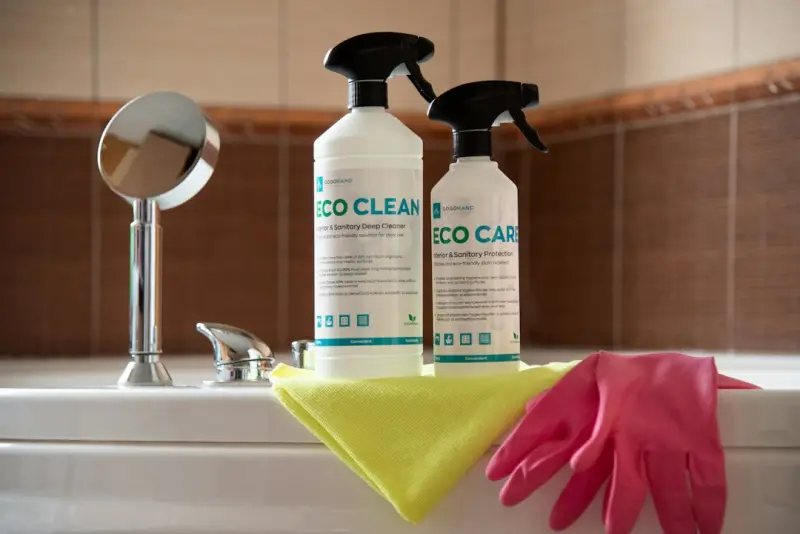
Green Clean Revolution: How AI‑Powered Eco‑Cleaning Is Transforming Workspaces
Eco‑cleaning is evolving from niche products to AI‑driven, sensor‑enabled systems that cut was... Read More
Green Chemistry Meets the Office: The Future of Eco‑Cleaning
Eco‑cleaning is shifting from niche to necessity. Learn how enzyme‑based formulas, IoT‑enabled... Read More
Top Posts

The Hidden Goldmine: How Player‑Driven Economies Are Shaping Gaming’s Future
Player‑driven economies are redefining games as living marketplaces. This article uncovers their impact, design challenges, business opportunities, and the et...Read More

Micro‑Adventures: Redefining Everyday Exploration
Micro‑adventures are bite‑sized escapades that fit into busy lives, turning everyday moments into sources of wonder, creativity, and personal growth....Read More

Rethinking SaaS Sustainability: From Cloud to Desk
Explore how SaaS firms can embed eco‑friendly practices into every layer—from code efficiency and green data centers to sustainable hardware and user educat...Read More

Mining Community Talk for Evergreen Content Gold
Learn how to turn forum threads, support tickets, and social comments into a powerful content engine, complete with SEO tactics, multi‑format repurposing, and...Read More
0 Comments
Post Comment
You will need to Login or Register to comment on this post!