
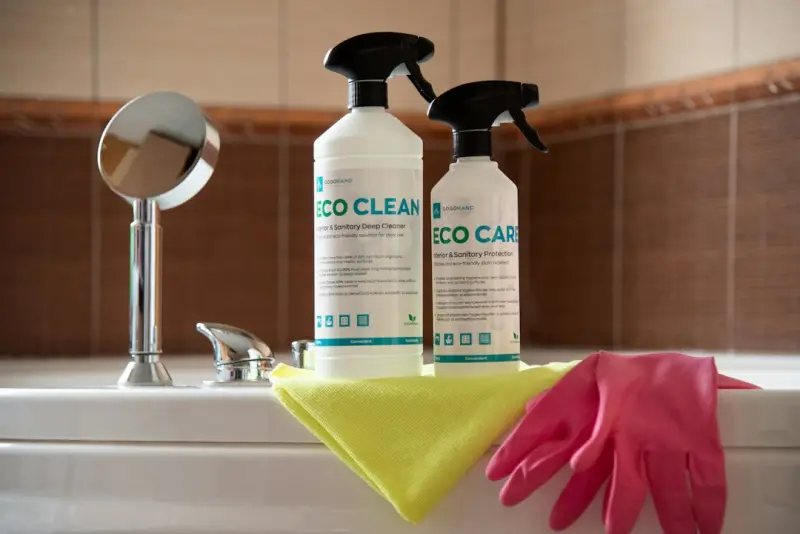
When I first walked into a corporate office that smelled like pine sap mixed with a faint citrus zest, I thought I’d stumbled onto a boutique spa, not a data‑driven workspace. It turned out the scent was the result of an experiment in eco‑cleaning—a discipline that’s quietly reshaping how we think about hygiene, employee well‑being, and the planet.
The hidden cost of “clean” in the modern office
Traditional cleaning contracts promise sparkling surfaces and germ‑free zones, but the price tag is often paid in volatile organic compounds (VOCs), single‑use plastics, and a mountain of chemical‑laden waste. A single gallon of conventional floor cleaner can release enough VOCs to trigger headaches for an entire floor of workers, while the empty containers end up in landfills that already choke our ecosystems.
What’s more, these chemicals don’t just linger in the air; they embed themselves in fabrics, carpet fibers, and even the skin of the people who sit at the desks. The long‑term health implications are still being researched, but the early data points to increased respiratory issues and skin sensitivities—an irony when the goal of cleaning is supposed to protect health.
Why eco‑cleaning is no longer a niche
Two forces are colliding to push eco‑cleaning from a boutique service into a mainstream expectation:
- Regulatory pressure. Cities across the globe are tightening emissions standards for commercial cleaning products, and many corporate tenants now include green cleaning clauses in their lease agreements.
- Employee demand. A recent internal survey at a Fortune‑500 company showed that 68% of staff would switch jobs for a workplace that prioritized sustainable hygiene practices.
When you combine these trends with the rapid advancement of sensor technology and AI, the result is a new generation of cleaning solutions that are smarter, greener, and more transparent than ever before.
Smart sensors: the eyes and ears of green hygiene
Imagine a network of tiny sensors tucked behind ceiling tiles, constantly measuring VOC levels, humidity, and foot traffic. These devices feed real‑time data into a cloud platform that predicts the optimal cleaning schedule, the exact amount of solution needed, and the most efficient route for cleaning staff. The outcome? A tailored cleaning process that eliminates waste while maintaining immaculate standards.
One of the most exciting applications is “demand‑driven” cleaning. Instead of a one‑size‑fits‑all nightly sweep, the system triggers a cleaning event only when the sensor data crosses a predefined threshold. This reduces chemical usage by up to 45% and cuts labor hours dramatically.
AI‑powered formulation: chemistry meets sustainability
Behind the scenes, AI algorithms are revolutionizing how cleaning solutions are formulated. By analyzing massive datasets on plant‑derived surfactants, enzyme blends, and biodegradable polymers, machine learning models can predict the most effective, low‑impact mix for any surface type. The result is a line of cleaners that rival conventional products in performance while leaving a negligible ecological footprint.
For instance, a recent case study showed that an AI‑engineered citrus‑based degreaser achieved the same grease‑removal rating as a petroleum‑based counterpart, yet it biodegraded 80% faster in aquatic environments.
From theory to practice: real‑world success stories
Several forward‑thinking enterprises have already embraced the eco‑cleaning wave. At a tech hub in the Pacific Northwest, the facilities team partnered with a green‑cleaning startup to replace all traditional chemicals with AI‑optimized, plant‑based solutions. Within three months, they reported a 30% reduction in cleaning‑related complaints and a measurable drop in indoor VOC concentrations.
Another compelling example comes from a co‑working space that integrated sensor‑driven cleaning schedules with a mobile dashboard for occupants. Employees could view real‑time air quality metrics, request spot cleaning, and even rate the scent profile of the cleaning agents. This level of transparency turned cleaning into a collaborative, community‑building activity rather than a hidden back‑room operation.
Choosing the right eco‑cleaning partner
Not all green cleaning providers are created equal. Here’s a quick checklist to evaluate potential partners:
- Ingredient transparency. Companies should openly disclose every component of their formulas. If you’re curious about how transparent ingredient sourcing is reshaping other industries, you’ll understand why this matters for cleaning products too.
- Certification & compliance. Look for third‑party certifications such as Green Seal, EcoLogo, or USDA BioPreferred.
- Data integration. A modern eco‑cleaning service should provide APIs that feed sensor data into your existing building‑management system.
- Lifecycle analysis. Ask for a cradle‑to‑grave impact report that includes manufacturing, transport, use, and disposal phases.
Implementing an eco‑cleaning program: a step‑by‑step guide
Launching a sustainable cleaning regimen can feel daunting, but breaking it down into manageable phases helps ensure success.
- Audit your current practices. Conduct a baseline measurement of chemical usage, waste streams, and indoor air quality.
- Set clear, measurable goals. Whether it’s a 25% reduction in VOCs or a 40% cut in plastic packaging, define targets that align with corporate sustainability commitments.
- Select the right partner. Use the checklist above to shortlist vendors.
- Pilot the technology. Start with a single floor or department, deploying sensors and trialing new formulations.
- Analyze and iterate. Use the data collected to fine‑tune cleaning frequencies, concentrations, and equipment.
- Scale across the organization. Roll out the refined program building‑by‑building, ensuring staff are trained on new protocols.
Throughout this journey, maintaining open communication with employees is key. A simple quarterly newsletter that shares air‑quality scores and highlights the environmental impact of the new cleaning regime can turn skeptics into champions.
The role of digital infrastructure in scaling green cleaning
Just as privacy‑first hosting has become a cornerstone for SaaS companies seeking trust, eco‑cleaning platforms need robust, secure cloud backbones to handle sensor data, AI models, and reporting dashboards. When the underlying infrastructure respects data sovereignty and offers granular access controls, facilities teams can focus on the core mission—creating healthier, greener workspaces—without worrying about data leaks or compliance headaches.
Future horizons: what’s next for eco‑cleaning?
Looking ahead, I see three emerging trends that will push the envelope even further:
- Bio‑engineered cleaning microbes. Scientists are developing engineered bacteria that can break down oil, grime, and even micro‑plastics on surfaces, offering a living solution that replenishes itself.
- Closed‑loop chemical systems. Imagine a dispenser that recaptures used cleaning solution, filters out contaminants, and re‑mixes it on‑site, dramatically cutting waste.
- Augmented reality (AR) training. Using AR headsets, cleaning crews can visualize real‑time contamination maps, ensuring they focus effort where it matters most.
These innovations, combined with the data‑driven rigor we’ve already seen, suggest that eco‑cleaning will evolve from a niche sustainability checkbox into a core operational pillar—one that drives cost savings, employee satisfaction, and genuine environmental stewardship.
Takeaway
Eco‑cleaning isn’t just about swapping out a bottle of bleach for a “green” alternative. It’s an ecosystem of smart sensors, AI‑crafted formulations, transparent supply chains, and robust digital platforms that together create cleaner air, healthier people, and a lighter footprint on the planet. As organizations continue to prioritize sustainability, the companies that invest in intelligent, data‑rich cleaning solutions will not only meet regulatory demands—they’ll set a new standard for what a truly healthy workplace looks like.

Brad Hays is a freelance writer known for his versatile skill set and ability to craft compelling content across a wide range of industries.
Related Posts

Bio‑Enzyme Cleaning: Turning Waste into Workplace Freshness
Explore the power of bio‑enzyme cleaners—a natural, cost‑effective solution that transforms wa... Read More

Closed‑Loop Cleaning: How to Turn Everyday Chores into a Sustainable System
Discover a step‑by‑step guide to closed‑loop cleaning, featuring DIY enzyme cleaners, reusable... Read More

6 Ways to Clean Your Bathroom the Eco-Friendly Way
The bathroom, a sanctuary for personal hygiene and rejuvenation, ironically often becomes a hotspot ... Read More
Top Posts

Navigating the Shifting Sands: What's Trending in Google SEO Right Now
Google SEO is constantly evolving. Discover the critical trends shaping search in 2024, from E-E-A-T and helpful content to the transformative role of AI. Learn...Read More

Managed WordPress Hosting: The Enterprise Growth Engine You’ve Been Overlooking
Managed WordPress hosting isn’t just a technical service—it’s a strategic growth engine. Learn how performance, security, developer experience, and AI‑r...Read More

Cultivating Your Personal Microclimate: A Gardener’s Guide to Weather‑Smart Planting
Discover the art of microclimate gardening: map your balcony’s unique conditions, choose compatible plants, use simple sensors, and create a weather‑smart o...Read More

The Rise of Digital Town Halls: How Local Voices Are Steering National Politics
Digital town halls are turning local community input into a powerful driver of national policy, leveraging AI, open‑source platforms, and real‑time data to ...Read More
0 Comments
Post Comment
You will need to Login or Register to comment on this post!