
The Evolution from Fixed to Flexible
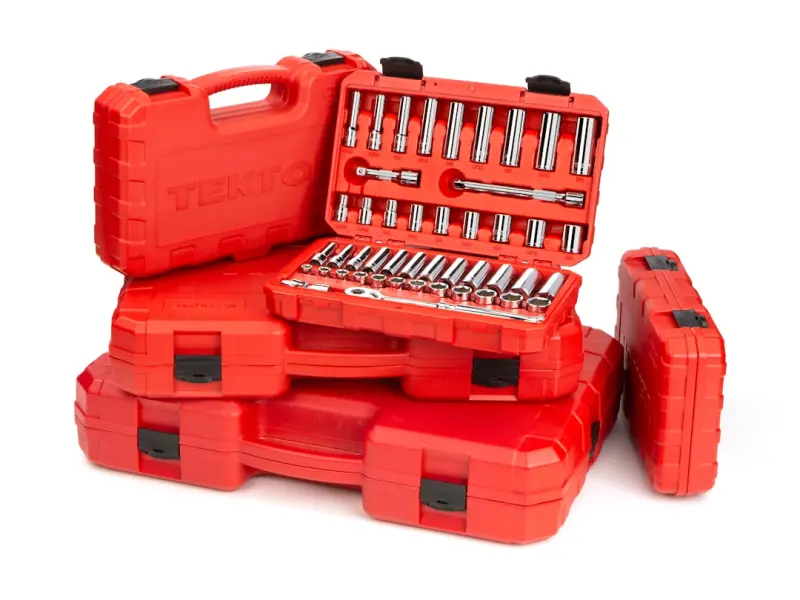
When I first set up my home workshop, I stocked it with a classic, single‑purpose toolbox that felt more like a relic than a resource. Over time, the frustration of hauling heavy, siloed equipment to the garage became a catalyst for change, pushing me toward a modular tool system that could adapt to any project on the fly. This shift mirrors a broader industry trend where manufacturers are abandoning static designs in favor of interchangeable components that snap together like a well‑engineered puzzle. By embracing flexibility, I’ve turned a cluttered corner into a dynamic workspace where each tool finds its perfect partner, reducing both the physical and mental load of preparation.
Designing for Portability
Portability isn’t just about weight; it’s about the ability to reconfigure tools quickly without sacrificing performance. My latest modular kit includes a lightweight power drill that docks into a universal battery pack, a fold‑out LED work light that snaps onto any handle, and a set of magnetic bit holders that slide into a compact carrier. Each piece is engineered to nest within a single, rugged case, allowing me to transition from indoor repairs to outdoor projects with minimal downtime. The real magic lies in the intuitive click‑and‑lock mechanism, which eliminates the need for tools to be permanently fixed, offering a sense of freedom that traditional sets simply cannot provide.
Smart Integration: Sensors and Connectivity
Modern modular tools are no longer just mechanical; they’re increasingly digital, embedding sensors that feed real‑time data to a smartphone app. I was skeptical at first, but after testing a torque‑sensing socket that alerts me when I’m nearing the optimal tightness, I realized how smart integration prevents costly mistakes and extends the lifespan of fasteners. These tools often sync with cloud platforms, allowing me to track usage patterns, schedule maintenance, and even receive predictive alerts—much like the predictive maintenance approach used for home appliances. The convergence of hardware and software creates a feedback loop that elevates craftsmanship from guesswork to data‑driven precision.
Workflow Efficiency with Modular Sets
Efficiency in a DIY environment isn’t merely about speed; it’s about reducing friction between steps. By organizing tools into modular clusters—electrical, carpentry, plumbing—I can pull out an entire suite with a single motion, eliminating the endless hunt for the right screwdriver or wrench. This method mirrors the way dedicated hosting streamlines server resources for web apps, as explained in dedicated hosting, where specialization leads to optimal performance. My workflow now follows a logical sequence: select the module, attach the required accessories, and start working, which dramatically cuts setup time and keeps the momentum of the project intact.
Space-Saving Strategies for Small Workshops
Urban living often forces creators to make do with limited square footage, turning every inch into premium real estate. Modular tool systems excel in this environment by collapsing into stackable, wall‑mountable units that double as decorative elements. For instance, I installed a magnetic rail that holds interchangeable tool heads, freeing up bench space while keeping everything within arm’s reach. A simple
- magnetic strip for metal tools
- pegboard with modular hooks
- fold‑out workbench that tucks into a closet
can transform a cramped nook into a functional studio without the need for bulky cabinets. The result is a cleaner, more organized space that invites creativity rather than stifles it.
Budget-Friendly Upgrades
One of the biggest misconceptions about modular systems is that they’re prohibitively expensive, but the reality is quite the opposite when approached strategically. By purchasing core components first—such as a universal battery platform and a basic handle set—I can gradually expand my arsenal with specialized attachments as projects demand. This incremental investment mirrors the philosophy behind micro‑journaling, where small, consistent actions accumulate into significant change, a concept I explored in my micro‑journaling post. Moreover, many manufacturers offer trade‑in programs for legacy tools, turning old equipment into credit toward new modules, thereby reducing waste and cost.
Community-Driven Customization
What truly sets modular tool ecosystems apart is the vibrant community that surrounds them, sharing designs, hacks, and 3D‑printable accessories. I’ve joined several online forums where makers swap CAD files for custom bit holders, or suggest alternative battery configurations for longer runtime. This collaborative spirit fuels continual improvement, allowing even a novice to benefit from the collective expertise of seasoned professionals. By contributing a simple magnetic adapter I designed, I received feedback that refined its ergonomics, showcasing how open‑source collaboration can turn a single idea into a widely adopted solution.
Future Trends: AI-Enhanced Modules
Looking ahead, the integration of artificial intelligence promises to make modular tools even more intuitive. Imagine a drill that automatically adjusts speed based on material density, or a saw that learns your preferred cutting angles and suggests optimal settings before you even start. These AI‑driven assistants could analyze project plans uploaded to a cloud service and recommend the exact combination of modules needed, reducing the guesswork that often hampers DIY success. As AI continues to mature, we’ll likely see a shift from reactive tools to proactive partners that anticipate our needs, transforming the very nature of hands‑on creation.
Putting It All Together: My Personal Toolkit
After months of testing, my personal modular toolkit now feels like an extension of my own hands—light, adaptable, and surprisingly intelligent. It includes a universal battery core, a set of interchangeable heads for drilling, sanding, and cutting, a sensor‑enabled torque wrench, and a compact digital hub that logs every use. Each component snaps into place, communicates with my phone, and can be swapped out in seconds, allowing me to tackle everything from hanging a picture to building custom furniture without ever leaving my garage. This evolution from a static toolbox to a dynamic, data‑rich system has not only accelerated my projects but also reignited my enthusiasm for making, proving that the right tools can truly empower creativity.

In the world of freelance writing, where creativity and adaptability are paramount, Michelle Fisher stands out as a dedicated and versatile professional. With a passion for crafting compelling narratives and a keen eye for detail, Michelle has established herself as a trusted voice.
Related Posts
AI‑Powered Developer Tools Are Changing How We Build SaaS
AI‑driven developer tools—from intelligent code assistants to predictive debuggers—are acceler... Read More
The Secret to Choosing Tools That Keep Up with Speed Without Sacrificing Quality
A practical guide to picking tools that blend rapid performance with reliability, user experience, a... Read More
The Toolbox That Transformed My Creative Workflow
A deep dive into the essential tools that elevate productivity, enhance collaboration, and keep your... Read More
Top Posts

Start With a Blueprint: Map Your Zones
When I first moved into my downtown loft, I thought “home” was just four walls, a couch, and a Wi‑Fi signal. Six months later, after a series of late‑ni...Read More
Crafting a Future‑Ready Toolkit: How Smart Tool Choices Supercharge Your Workflow
Learn the strategy behind selecting, integrating, and evolving the tools that power modern creators, from AI‑driven design to mobile‑first utilities....Read More

Safeguarding Tomorrow: Practical AI Safety for SaaS Builders
A deep dive into how SaaS creators can turn AI safety from abstract theory into concrete product decisions, with real‑world playbooks, metrics, and a human‑...Read More
Mastering Modern Web Development: Trends, Tools, and Tactical Choices
A deep dive into today’s web development landscape, covering Jamstack, serverless, performance budgets, security culture, and smart hosting choices for resili...Read More
0 Comments
Post Comment
You will need to Login or Register to comment on this post!