
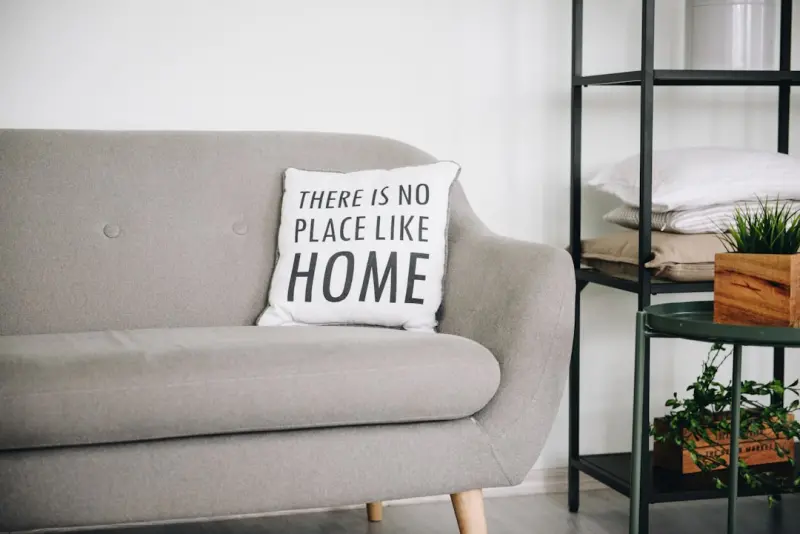
When I first moved into my downtown loft, I thought “home” was just four walls, a couch, and a Wi‑Fi signal. Six months later, after a series of late‑night brainstorming sessions, a broken dishwasher, and a never‑ending pile of take‑out containers, I realized that a truly functional home is a silent partner in every project you tackle. It’s not just about aesthetics; it’s about crafting an environment that reduces friction, boosts focus, and quietly supports your wellbeing.
Start With a Blueprint: Map Your Zones
Before you buy a new shelf or install a smart thermostat, take a step back and map out the functional zones in your living space. Think of your home as a series of micro‑workshops, each with a purpose:
- Focus Zone – The area where you read, write, or work. This could be a dedicated office nook or a corner of the living room.
- Recovery Zone – Your bedroom, meditation corner, or any place you retreat to unwind.
- Refresh Zone – The kitchen and dining area where you fuel your body.
- Movement Zone – Hallways, staircases, or a small home‑gym that encourages physical activity.
By assigning clear intent to each zone, you’ll naturally start seeing where clutter, noise, or inefficient layouts are sabotaging your flow.
Declutter With Purpose, Not Just Aesthetics
Most “declutter” posts tell you to throw away anything you haven’t used in a year. That’s a good rule of thumb, but it can be too blunt for a space that doubles as a creative hub. Instead, ask yourself three questions before you decide the fate of an item:
- Does it support my primary activities? A vintage typewriter may look cool, but if you never type on it, it’s just a visual distraction.
- Is it a catalyst for inspiration? A well‑curated art book can spark ideas for a client pitch; keep it.
- Can it be stored out of sight without losing value? Seasonal clothing, hobby supplies, or extra bedding belong in a labeled bin under the bed or in the attic.
When you make decluttering a strategic exercise, you preserve the items that genuinely add value while freeing up mental bandwidth.
Lighting: The Unsung Productivity Hack
Natural light is the cheapest, most effective way to boost mood and alertness. If your apartment gets limited sunlight, consider these upgrades:
- Daylight bulbs – LEDs that mimic the sun’s color temperature (around 5,000 K) reduce eye strain and keep your circadian rhythm in sync.
- Task lighting – Adjustable desk lamps with a warm, focused beam for reading or sketching.
- Ambient layers – Soft floor lamps or string lights that create a gentle glow for evening relaxation without triggering blue‑light alerts.
Investing in quality lighting not only makes your space feel larger, it also reduces the temptation to stare at screens for longer than needed.
Smart Home, Human‑First: Automation That Serves, Not Distracts
Automation can feel like a gimmick when it’s just about turning lights on and off. The trick is to automate the mundane while keeping the meaningful manual. Here are three low‑effort automations that have a high payoff:
- Climate presets – Program your thermostat to cool the house just before you return from work, then gently warm it up as you settle in.
- Leak detection alerts – A simple water sensor under the sink sends a notification to your phone at the first sign of a drip, saving you from costly water damage.
- Quiet‑hour routines – Use a smart plug to mute non‑essential devices (like the TV or gaming console) automatically after 10 pm, encouraging better sleep hygiene.
These automations stay in the background, letting you focus on what truly matters.
Acoustic Comfort: The Quiet Revolution at Home
Most people overlook sound as a productivity factor. Echoey rooms amplify distractions, while a well‑damped space can feel like a personal sound studio. Simple acoustic upgrades include:
- Rugs and curtains – Thick fabrics absorb mid‑range frequencies, muting footfall and outside traffic.
- Acoustic panels – DIY panels made from recycled denim or foam can be mounted behind a desk to reduce reverberation.
- White‑noise machines – Subtle ambient sounds mask unpredictable city noises, creating a steady auditory backdrop.
Even a modest investment in acoustic treatment can transform a noisy apartment into a focused haven.
Indoor Air Quality: Breathe Easier, Think Sharper
When you spend 8‑10 hours a day inside, the quality of the air you inhale directly impacts cognition. Here are three practical steps to keep the air clean without turning your home into a tech‑laden greenhouse:
- Plants with proven air‑purifying properties – The spider plant, peace lily, and snake plant are low‑maintenance and naturally filter VOCs.
- Regular HVAC maintenance – Change filters every 3 months; a clogged filter recirculates dust and allergens.
- Ventilation hacks – Open windows for 10‑15 minutes each morning, and use a portable air purifier in rooms where you spend the most time.
These actions are low‑tech, low‑cost, and have a measurable impact on alertness.
Kitchen Efficiency: The Power of a Streamlined Workspace
Even if you’re not a master chef, the kitchen is a high‑traffic zone that can either drain or boost your energy. Apply the same zone‑mapping principle here:
- Prep Zone – Counter space dedicated to chopping, mixing, and assembling meals.
- Cooking Zone – The stove, oven, and related tools.
- Cleanup Zone – Sink, dishwasher, and trash bins positioned to minimize back‑and‑forth steps.
Arrange utensils and appliances so that each zone flows into the next. For instance, keep a small cutting board and a set of knives right beside the prep counter, and store frequently used spices within arm’s reach of the stove.
Digital Minimalism at Home: Taming the Device Jungle
When my phone buzzed constantly, I realized my home was a hotbed of digital noise. Here’s how to regain control:
- Designate a charging station – One centralized spot for all devices at night, reducing the temptation to check notifications in bed.
- Use “focus modes” – Most smartphones let you silence non‑essential apps during work hours.
- Physical “off‑grid” corners – A small reading nook with a lamp, a chair, and no power outlets, encouraging unplugged time.
This approach mirrors the idea of creating a low‑tech oasis, but it’s tailored to the modern professional who still needs occasional connectivity.
Personalized Storage Solutions That Don’t Look Like a Warehouse
Storage is often the silent villain in home design. Instead of generic shelving units, try these custom‑feel solutions:
- Floating shelves with hidden brackets – Provide display space without bulk.
- Multi‑functional furniture – Ottomans with internal compartments or a desk that folds into a wall when not in use.
- Labelled clear bins – Transparent containers with stylish labels make it easy to locate items at a glance.
When you can see what’s inside without digging, you spend less time searching and more time doing.
Bring a Touch of Nature Inside: Biophilic Design Basics
Research shows that a view of greenery can reduce stress hormones by up to 15 %. You don’t need a garden; a few strategic plants and natural textures can do the trick.
- Green wall panels – Small modular panels that you can mount on a wall to create a living art piece.
- Natural materials – Incorporate wood, stone, or woven baskets for a tactile connection to nature.
- Window boxes – If you have a sunny sill, grow herbs or succulents that double as kitchen ingredients.
These elements not only uplift mood but also improve indoor air quality, tying back to the earlier section on breathing easier.
Maintaining Your Sanctuary: The 30‑Day Home Check‑In
All the tips in the world won’t stick unless you build a habit. I use a simple 30‑day cycle:
- Day 1–7: Declutter and zone mapping.
- Day 8–14: Lighting upgrades and acoustic tweaks.
- Day 15–21: Automation setup and air‑quality improvements.
- Day 22–30: Kitchen workflow refinements, storage upgrades, and biophilic touches.
At the end of the month, I spend an hour walking through each zone, noting any friction points and adjusting. The result is a living space that evolves with my needs, not the other way around.
Connecting Home Tips to Bigger Ideas
While these strategies focus on making your personal space more supportive, they echo broader themes we discuss across the blog. For instance, the concept of a low‑tech refuge amidst technology overload aligns perfectly with the “digital minimalism” steps above. Similarly, when you think about gifting a friend a well‑curated home‑office starter kit, you’re applying the same thoughtful approach we explore in creating meaningful gifts for modern teams—only the audience shifts from coworkers to loved ones.
Final Thought: Your Home as a Silent Partner
When you treat your home like a silent partner in every project, you’ll notice a subtle yet profound shift. The morning coffee becomes a ritual of readiness, the evening unwind a deliberate act of recovery, and the space between work and rest transforms from a chaotic buffer into a seamless transition. By mapping zones, decluttering with intent, optimizing light, sound, and air, and weaving in a dash of nature, you build a sanctuary that fuels productivity without ever shouting for attention.
Give yourself permission to iterate. Just as you’d A/B test a new feature, experiment with a new shelf placement or a different lighting scheme. Over time, those small adjustments compound into a home that feels less like a backdrop and more like an active, empowering teammate.

Ryan Stuart is a seasoned freelance features writer, editor, and professional photographer with a passion for exploring the world and capturing its beauty through words and images.
Related Posts
Battling the Summer Bug Blitz: How to Pest-Proof Your Home and Garden
Summer. The word conjures up images of sunshine, blooming gardens, and lazy afternoons spent outdoor... Read More
Why you should get a Doorbell Cam
In an increasingly connected world, where convenience and security are paramount, the concept of hom... Read More

Should I add a Patio or Pergola?
The desire to extend living spaces outdoors is a fundamental aspect of modern home design, offering ... Read More
Top Posts
AI‑Driven Speed for Managed WordPress Hosting
AI‑enhanced managed WordPress hosting moves beyond basic updates and security, offering predictive scaling, dynamic caching, and autonomous threat protection ...Read More
Zero‑Click SERPs: Turning Invisible Rankings into Tangible Opportunities
Zero‑click SERPs are reshaping how B2B SaaS brands get discovered. This post explains how to map intent, craft snippet‑ready content, and use structured dat...Read More

Why is Email Warm Up Important?
In the ever-evolving email marketing, email remains an undisputed powerhouse. From nurturing leads and driving sales to building community and delivering critic...Read More

The Power of Play: How Toys Are Shaping the Future of Childhood
Toys have been a staple of childhood for centuries, providing entertainment, education, and comfort. Learn how they're evolving and shaping the future of childh...Read More
0 Comments
Post Comment
You will need to Login or Register to comment on this post!