
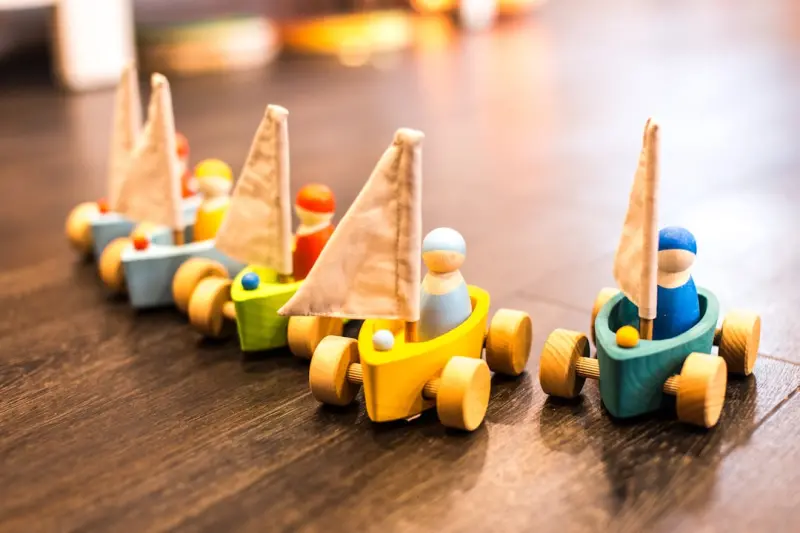
Why Sustainable Toys Are the New Must‑Have for Modern Families
When I was a kid, my imagination was powered by cardboard boxes, plastic action figures, and the occasional wooden train set. Fast forward to today, and the toy aisle looks like a miniature tech expo: everything from AI‑driven robots to AR‑enhanced puzzles. Yet, beneath the glitter and gadgets, a quieter but powerful movement is reshaping what we put in our children’s hands—sustainable toys.
The Environmental Wake‑Up Call
Parents are more conscious than ever about the carbon footprint of the products they bring home. According to a recent Global Consumer Trends report, over 70% of millennials consider a brand’s environmental stance before making a purchase. That statistic isn’t just about smartphones or cars; it’s spilling over into the very objects that shape our kids’ earliest experiences. When you think about it, a child’s toy is often used for years—sometimes passed down through generations. The material choices we make today echo long after the play session ends.
From Plastic to Plant‑Based: The Materials Revolution
Traditional plastic toys have long been the industry standard because they’re cheap, durable, and easy to mass‑produce. However, the hidden cost is staggering: petrochemical extraction, micro‑plastic pollution, and landfill waste that can persist for centuries. Enter plant‑based polymers, recycled ocean plastics, and responsibly sourced wood.
- Plant‑based bioplastics—derived from corn starch, sugarcane, or even algae—break down much faster than conventional plastics and emit fewer greenhouse gases during production.
- Recycled ocean plastic—companies are now harvesting plastic debris from the sea, cleaning it, and re‑molding it into colorful building blocks and figurines.
- Sustainable timber—certified FSC wood ensures forests are managed responsibly, providing a renewable source for classic toys like puzzles and train sets.
These materials not only reduce environmental impact but also open up a fresh aesthetic: natural textures, earthy colors, and a tactile authenticity that many parents—and kids—find comforting.
Designing for Longevity, Not Obsolescence
One of the biggest pitfalls of modern toys is the “planned obsolescence” model—products designed to break or become outdated quickly, prompting repeat purchases. Sustainable toy designers are flipping that script. By focusing on durability, modularity, and timeless appeal, they create toys that grow with children.
Take a classic wooden building set that can be expanded with new pieces over the years. Or a modular robot kit where you swap out components instead of buying an entirely new set. This approach aligns perfectly with the Designing for the Senses philosophy, which emphasizes environments (and objects) that engage multiple senses and stand the test of time.
The Rise of Educational Play: STEAM Meets Sustainability
Educational toys have always been a favorite among parents who want playtime to double as a learning experience. The current wave adds a sustainability layer: kids learn not just coding or physics, but also concepts like recycling, renewable energy, and ecological stewardship.
- Solar‑powered kits let children assemble tiny cars or robots that run on sunlight, teaching basic renewable energy principles.
- Recyclable building blocks made from post‑consumer plastic encourage conversations about waste reduction.
- Nature‑inspired science sets—like butterfly metamorphosis kits—use ethically sourced materials and promote an appreciation for biodiversity.
When children see sustainability woven into the very fabric of their toys, the lessons become lived experiences rather than abstract ideas.
Playful Tech: When Innovation Meets Eco‑Consciousness
Tech‑heavy toys are often criticized for being disposable and energy‑guzzling. However, innovators are now marrying high‑tech interactivity with green credentials.
For instance, augmented reality (AR) storybooks that use a child’s smartphone to overlay digital animations onto printed pages. The physical book remains a recyclable paper product, while the AR component provides endless replay value without additional plastic waste. Another exciting development is energy‑harvesting toys that convert a child’s motion—like shaking or rolling—into battery power for small LEDs or sound modules, eliminating the need for disposable batteries.
Community‑Driven Impact: How Brands Are Engaging Parents
Beyond product design, sustainable toy companies are building communities around shared values. These aren’t just marketing gimmicks; they’re genuine ecosystems where parents trade tips, participate in tree‑planting challenges, and co‑create future product ideas.
One standout example is a brand that offers a “toy‑return” program: once a child outgrows a toy, families can ship it back for refurbishment or recycling, earning points toward a discount on the next purchase. This closed‑loop model mirrors the circular economy principles championed in other industries, proving that toys can be both fun and responsible.
Balancing Cost and Consciousness
It’s a common misconception that eco‑friendly toys are prohibitively expensive. While some premium brands do command higher price points, the market is rapidly expanding, driving competition and economies of scale. Here are a few strategies savvy shoppers can use:
- Look for certifications such as GOTS (Global Organic Textile Standard) for fabrics or FSC for wood.
- Buy in sets—bulk purchases often reduce per‑unit cost.
- Support local makers—small businesses frequently use reclaimed materials and can offer custom, durable pieces at reasonable prices.
- Consider second‑hand—gently used sustainable toys retain their eco‑benefits while saving money.
Future Outlook: What’s Next for Sustainable Play?
The momentum is undeniable. As regulatory pressures increase—think stricter plastic bans and carbon reporting requirements—more manufacturers will be compelled to innovate responsibly. We’re likely to see:
- Biodegradable electronics embedded in toys, allowing components to safely decompose after their useful life.
- AI‑guided recycling that helps families sort toy parts for proper disposal, echoing the ideas presented in AI as a Co‑Pilot for SaaS Product Teams—but this time, the AI assists with sustainable parenting.
- Subscription‑style toy libraries where families rotate a curated selection of high‑quality, eco‑friendly toys, reducing waste and keeping play fresh.
These trends point toward a future where sustainability isn’t an add‑on; it’s the baseline expectation for every toy on the shelf.
How Parents Can Lead the Charge
Ultimately, the shift toward sustainable toys is a collective effort. Here’s a quick checklist for families wanting to make a meaningful impact:
- Research brand transparency—look for clear supply‑chain disclosures.
- Prioritize durability over novelty—choose toys that can be handed down.
- Engage children in the story of the toy—explain where materials come from and why it matters.
- Participate in take‑back or recycling programs offered by manufacturers.
- Support community initiatives, such as local toy swaps or “playtime libraries.”
When we model thoughtful consumption, we’re teaching our kids a lesson that extends far beyond the playroom.
Conclusion: Play with Purpose
The toys we select for our children are more than just entertainment; they’re a reflection of the values we wish to pass on. By choosing sustainable, durable, and educational playthings, we’re nurturing not only imagination but also a deep‑rooted respect for the planet. As the industry continues to innovate—blending technology, design, and ecological stewardship—we have a front‑row seat to a greener, more playful future.
So the next time you stroll down the aisle or scroll through an online catalog, ask yourself: Does this toy spark joy, curiosity, and responsibility? If the answer is yes, you’ve found a true champion of the Eco‑Play Revolution.

Laura Wilson is a freelance writer specializing in the dynamic and ever-evolving field of health. With a passion for translating complex medical information into accessible and engaging content, Laura brings a wealth of knowledge and a fresh perspective to topics ranging from preventative care and nutrition to cutting-edge research and innovative treatments.
Related Posts
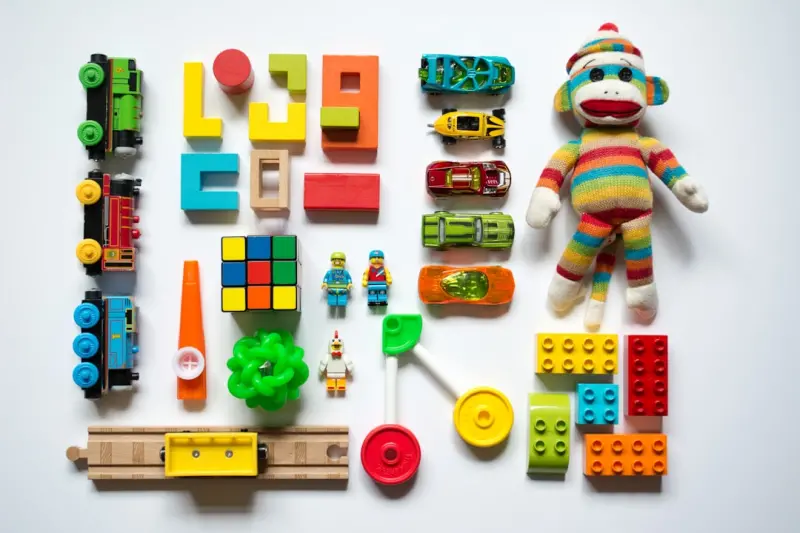
From Playroom to Boardroom: How Modern Toys Are Transforming Business Culture
Modern toys—ranging from smart building blocks to AI‑driven storytelling games—are reshaping c... Read More

Playful Innovation: How Immersive Tech Is Rewriting Childhood
A deep dive into the rise of augmented reality, programmable robotics, and maker kits shows how mode... Read More
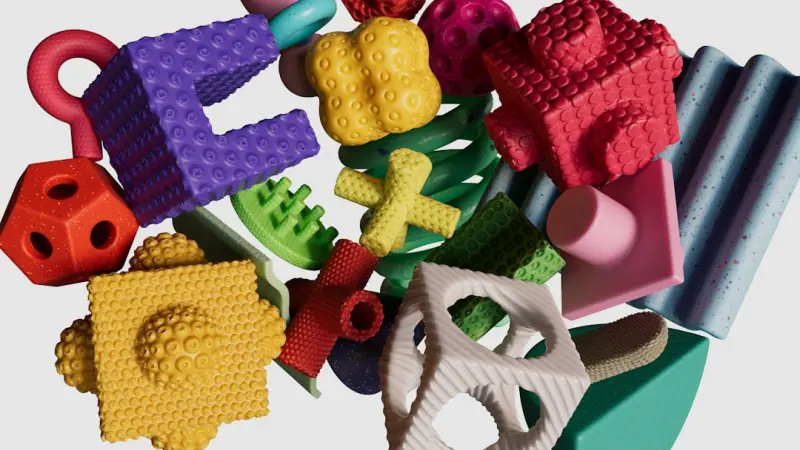
Playful Futures: How Sustainable Materials and Smart Tech Are Redefining Toys
A deep dive into the emerging wave of eco‑friendly and AI‑powered toys, highlighting how sustain... Read More
Top Posts

WebAssembly: The Secret Sauce Behind Enterprise Apps
WebAssembly offers enterprises a powerful way to accelerate critical workloads, enhance security, and reuse native code—all within the browser. Learn practica...Read More

Scent, Sound, and Skin: The New Triad of Personal Care
Discover how combining scents, soothing sounds, and tactile textures can transform daily grooming into a holistic personal care experience that nurtures both sk...Read More

The Unseen Power of Micro‑Movements for Everyday Health
Learn how tiny, intentional motions woven into daily life can elevate metabolism, sharpen focus, and enhance overall health without a full workout....Read More

Zero‑Party Data: The Quiet Superpower Transforming B2B SaaS Marketing
Zero‑party data lets customers voluntarily share preferences, turning marketing from guesswork into a trusted, two‑way conversation that boosts conversions ...Read More
0 Comments
Post Comment
You will need to Login or Register to comment on this post!