

The Shift From Global Chains to Neighborhood Hubs
For years the retail conversation has been dominated by megabrands, algorithm‑driven marketplaces, and the endless promise of “one‑click everything.” Yet a quiet rebellion is simmering in the alleyways, vacant storefronts, and community centers of our cities. Small‑scale pop‑up markets are sprouting faster than you can swipe a deal, and they’re doing something no global platform can: they’re turning the act of shopping into a localized cultural event.
What drives this movement? It’s a blend of fatigue with homogenized product assortments, a yearning for genuine human interaction, and a pragmatic need to test concepts without the overhead of a permanent lease. Shoppers are no longer satisfied with a faceless catalogue; they want to see the story behind the product, meet the maker, and leave with something that feels earned—not just bought.
Curating Community: The Power of Local Curation
The magic of hyperlocal pop‑ups lies in their curation model. Unlike a department store that follows a top‑down merchandising algorithm, these markets are curated by the community itself. Neighborhood influencers, local artisans, and even the municipal planning office collaborate to decide which vendors get a slot, what themes will resonate, and how the space will be arranged.
Imagine a Saturday morning in a repurposed warehouse where a Brooklyn‑based ceramics collective shares a table with a micro‑roaster that sources beans from a cooperative just a train ride away. The result isn’t just a transaction; it’s a shared narrative that weaves together place, purpose, and purchase.
Tech Meets Tactile: How Digital Tools Amplify Pop‑Up Success
While the core appeal of pop‑ups is their physical, tactile experience, technology is the silent engine that keeps the wheels turning. Organizers use lightweight mobile platforms to manage vendor applications, schedule slots, and even run on‑the‑spot loyalty programs. The same tools that power massive SaaS ecosystems can be scaled down to fit a weekend market.
One especially effective tactic is building growth loops that turn first‑time visitors into repeat attendees. A simple QR code scanned at the entrance can add shoppers to a messaging list, trigger a personalized discount for the next event, and feed data back into the organizer’s inventory forecast. The result is a self‑reinforcing cycle where data informs curation, and curation fuels data.
Economic Ripple Effects: Jobs, Foot Traffic, and Urban Vitality
Beyond the immediate sales, hyperlocal pop‑ups generate a cascade of economic benefits. Temporary stalls create short‑term employment for baristas, packagers, and brand ambassadors, often drawing from the local talent pool. More importantly, they act as foot‑traffic magnets, pulling people into neighborhoods that might otherwise be overlooked.
When a pop‑up draws a crowd, nearby cafés see a surge in orders, local gyms notice higher sign‑up rates, and even the municipal parking authority reports a modest uptick in usage—all of which translate into tax revenue and community investment. In effect, each market becomes a micro‑ecosystem that fuels the larger urban economy.
Sustainability Without the Buzzword: Reducing Waste Through Scale
One of the most compelling arguments for hyperlocal markets is their impact on waste reduction. By sourcing products within a tight geographic radius, shipping distances shrink dramatically, slashing carbon emissions associated with long‑haul logistics. Moreover, vendors can produce on‑demand, meaning they only manufacture what they can sell on the day of the event.
When inventory is tightly aligned with real‑time demand, the dreaded “overstock” problem—where unsold goods end up in landfills—disappears. Some vendors even partner with local food banks or community centers to donate any leftovers, creating a circular flow that benefits everyone.
For brands looking to embed health‑focused innovation into their retail strategy, there are lessons to be learned from the leveraging health‑focused tech movement. Just as digital therapeutics aim to deliver precise, personalized interventions, pop‑ups aim to deliver precisely the right product at the right time, reducing excess and enhancing the shopper’s experience.
How Brands Can Dive In Without Overcommitting
For established brands, the idea of testing a pop‑up might feel risky. Yet the low barrier to entry makes it an ideal proving ground. Start small: secure a weekend slot in a community center, design a minimalist booth, and focus on a single product line. Use the event to gather feedback, iterate on packaging, and gauge price elasticity.
Data collected from the event—whether through POS systems, QR code scans, or simple paper surveys—can be fed directly into a larger product roadmap. In this way, the pop‑up becomes a live lab, offering real‑world insights that far outpace any virtual focus group.
And for brands that are already experimenting with experiential marketing, the lessons from crafting unforgettable event experiences apply perfectly. Think about lighting, scent, and sound as extensions of your brand narrative, not just decorative fluff.
Future Outlook: From Seasonal Stalls to Year‑Round Ecosystems
Looking ahead, the line between pop‑up and permanent retail is blurring. Some cities are piloting “flex‑leases” that allow vendors to transition from a three‑day market to a year‑round mini‑store, based on performance metrics. Others are integrating pop‑up spaces directly into transit hubs, turning commuter corridors into spontaneous marketplaces.
In a world where the next big thing is often a remix of the old, hyperlocal pop‑ups represent a remix of retail itself—one that honors the tactile, the communal, and the sustainable without sacrificing the speed and data‑driven precision of modern commerce.
For shoppers, the benefit is clear: more authentic choices, deeper connections to the makers, and a shopping experience that feels less like a transaction and more like a story you’re part of. For brands, it’s a low‑risk, high‑reward playground where ideas can be tried, tested, and refined in real time. And for cities, it’s a catalyst for economic vitality that can turn empty storefronts into thriving community hubs.

Shawn DesRochers is a certified Microsoft technician and Programmer with 30+ year's experience. He has written many reviews on computer related products, software, and SEO related topics. When he's not writing reviews he can be found at one of the Oldest Directories Online Blogging Fusion Business Directory which he is the CEO of.
Related Posts

The AI‑Driven Shopping Experience: Personalization, Privacy, and the Metaverse
A deep dive into the new era of shopping where AI-powered assistants, immersive virtual showrooms, a... Read More
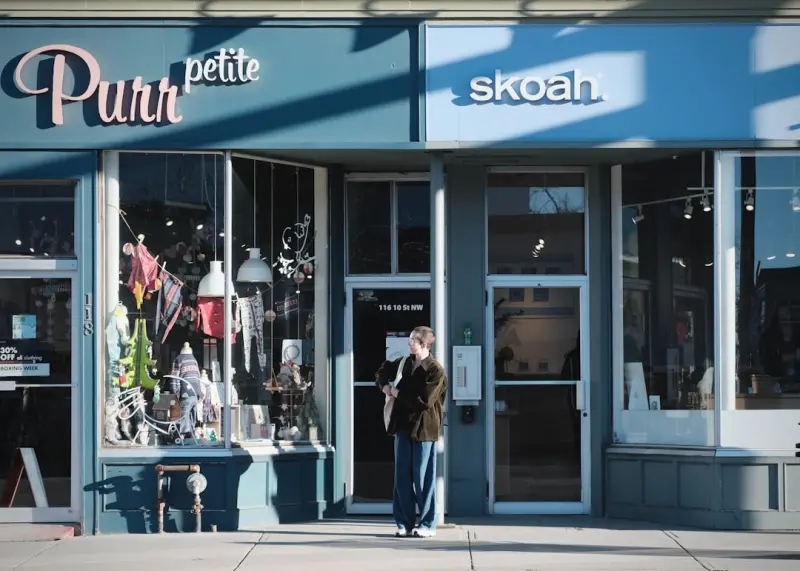
How to Turn Pop‑Up Shops into Your Personal Treasure Hunt
I’ve turned the chaos of pop‑up markets into a purposeful treasure hunt. Join me as I share the ... Read More

The Psychology of Retail Therapy: How Shopping Affects Our Mental Health
Shopping can have a profound impact on our mental health, from the temporary boost of dopamine to th... Read More
Top Posts
AI Copilots in the SaaS Toolbox: Turning Daily Chores into Strategic Wins
Explore practical strategies for integrating AI assistants into your SaaS stack, from selecting the right tools and embedding them in workflows to measuring imp...Read More

Global On‑Page SEO: Designing Pages That Speak Every Language
A deep dive into international on‑page SEO, covering semantic markup, hreflang best practices, localized meta strategies, structured data, and performance opt...Read More

Unlocking Digital Success: Choosing the Right SEO Company
When creating a website is just not enough, the digital storefront has surpassed the brick-and-mortar establishment in both reach and significance. As trillions...Read More

The Impact of Social Media on Professional Sports
Social media is revolutionizing professional sports, changing the way athletes build their brand, interact with fans, and engage with the media. Learn more abou...Read More
0 Comments
Post Comment
You will need to Login or Register to comment on this post!