
Why Pop‑Up Shops Are the New Treasure Maps
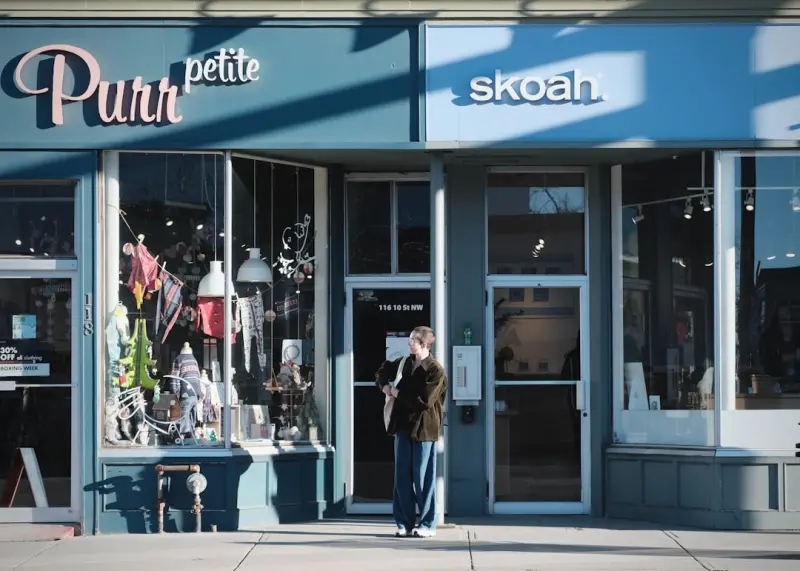
Every weekend, city streets pulse with the buzz of temporary stalls, food trucks, and handmade boutiques that pop up like mushrooms after rain. I’ve learned to treat each of these micro‑markets as a treasure map, where every corner could hide a rare find, a story‑filled vintage piece, or a gadget that solves a problem I didn’t even know I had. The excitement isn’t just about the items themselves; it’s the ritual of wandering, scanning, and deciding what fits into the narrative I’m building for my life. By shifting from a passive “I need this” mindset to an active “What can I discover?” attitude, shopping transforms from a chore into an adventure that fuels creativity and personal growth.
What makes pop‑up shops especially compelling is their fleeting nature—most exist for a day or a weekend before disappearing, creating a sense of urgency that can be both thrilling and intimidating. I’ve found that embracing that scarcity mindset, while keeping a clear vision of my style and needs, allows me to stay focused without falling prey to impulse buys. The key is to view each stall as a potential chapter in a larger story rather than a standalone transaction. This perspective not only reduces buyer’s remorse but also turns the shopping experience into a curated collection of moments and memories.
Another hidden advantage of pop‑up culture is the direct connection with creators. Unlike mass‑produced items, many vendors are the makers themselves, eager to share the inspiration behind each piece. When I ask about materials, design choices, or the story behind a product, I often receive insights that add emotional value far beyond the price tag. Those conversations become the glue that binds me to the items I take home, turning a simple purchase into a meaningful exchange that supports small‑scale entrepreneurship.
Crafting a Strategic Hunt: Tools, Timing, and Tactics
Before I set foot on any bustling boulevard, I spend a few minutes mapping out the day’s itinerary using a blend of local event calendars, social‑media hashtags, and community newsletters. This research phase is where a well‑crafted shopping strategy is born, allowing me to prioritize stalls that align with my current interests—whether that’s sustainable fashion, tech accessories, or artisanal home décor. I often cross‑reference these events with the Ultimate Hybrid Toolkit for Modern Creators post, borrowing its checklist mindset to ensure I’m prepared with a notebook, a reusable bag, and a clear budget.
Timing is another crucial component. I discovered that arriving early gives me a first‑look advantage, while returning later can reveal discounted items as vendors clear inventory. By splitting my visit into two windows—morning for fresh arrivals and late afternoon for clearance—I maximize both novelty and value. I also set a “price ceiling” for each category, a mental guardrail that helps me stay disciplined when a vendor’s enthusiasm tries to sway my wallet. This blend of schedule and budget creates a disciplined yet flexible framework that keeps the hunt fun, not frantic.
Technology plays a subtle yet powerful role in my pop‑up pursuits. I use map‑based apps that crowd‑source real‑time updates on stall locations, and I follow local influencer accounts that often spotlight hidden gems. When I spot a stall I’m curious about, I snap a quick photo and add a tag in my phone’s notes app, creating a visual inventory that I can review later. This digital “treasure log” not only prevents me from forgetting promising finds but also allows me to compare prices, read reviews, and decide whether a purchase truly fits my long‑term collection goals.
Turning Finds Into Stories: Sustainable Sharing and Community
After the haul, the excitement doesn’t end at the checkout line; it continues as I integrate each piece into my daily life and share the narrative with my community. I love displaying newly acquired items in my living spaces, drawing inspiration from the Turn Your Living Room into a Curated Gallery guide to create mini‑exhibits that celebrate craftsmanship and personal taste. By photographing these setups and tagging the creators, I not only give credit where it’s due but also spark conversations that encourage others to explore pop‑up markets.
- Host a “pop‑up swap” evening with friends, where everyone brings a recent find to exchange.
- Write short blog or social‑media posts that highlight the story behind each purchase, emphasizing sustainability and maker intent.
- Donate or upcycle items that no longer fit your collection, extending their lifecycle and supporting circular economy principles.
Community engagement amplifies the value of each purchase, turning solitary shopping into a collaborative experience. When I share my discoveries, I often receive tips on similar stalls, upcoming events, or even direct introductions to the creators themselves. This network effect not only enriches my personal collection but also fuels the growth of local artisans, reinforcing a virtuous cycle where shoppers and makers thrive together. By treating each pop‑up encounter as a shared adventure, we collectively re‑define what it means to shop responsibly, creatively, and joyfully.
Ultimately, the pop‑up shop treasure hunt is more than a shopping spree; it’s a practice in curiosity, intentionality, and community building. By approaching each stall with a clear strategy, leveraging technology for timing and research, and weaving every find into a larger narrative, we transform ordinary purchases into lasting stories. So the next time you hear about a weekend market popping up downtown, grab your notebook, set your budget, and step into the adventure. The treasure isn’t just in the items you take home—it’s in the connections you forge and the memories you create along the way.

Freelance writer with a flare for everything. I am passionate about topics I write crafting stories and compelling content that connect with audiences. Journeying through the realms of creativity as a freelance creator. #WriterLife #ContentCreator
Related Posts

AI‑Powered Personal Shopping Assistants: Redefining B2B Procurement
AI‑powered personal shopping assistants are reshaping B2B procurement by automating order workflow... Read More

5 Simple Approaches to Shopping Smarter
In an era of relentless consumerism, where targeted ads flood our feeds and new products constantly ... Read More

Why Hyperlocal Pop‑Ups Are the Next Shopping Frontier
Hyperlocal pop‑up markets are turning shopping into a community event, blending tactile experience... Read More
Top Posts
Beyond the Checkout: Curated Shopping Experiences That Win Hearts
Shoppers now crave curated experiences over simple discounts. This post explores how community curation, frictionless browser extensions, and data‑driven pers...Read More

AI‑First Customer Success: Turning Data Into Proactive Relationships
AI‑first customer success shifts from reactive ticket handling to predictive health scores and prescriptive actions, turning data into proactive relationships...Read More

From Chalkboards to Chatbots: Rethinking the Classroom for Human‑Centric AI
A deep dive into transforming education with AI‑driven coaching, community‑focused projects, portfolio assessment, and robust digital safety, offering a roa...Read More

Reimagining Child Safety: From Smart Homes to Community Watch 2.0
A fresh look at child safety shows how smart home sensors, sustainable cleaning routines, neuro‑sensitive design, and digital neighborhood networks together c...Read More
0 Comments
Post Comment
You will need to Login or Register to comment on this post!