
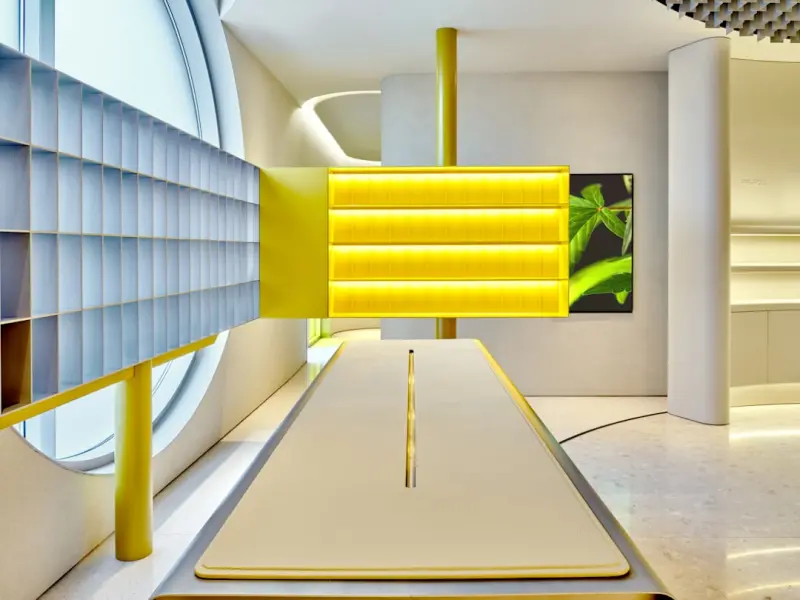
Why the Senses Matter More Than Ever in Interior Design
When I first stepped into a newly‑finished loft in downtown Seattle, I didn’t just notice the sleek kitchen island or the floor‑to‑ceiling windows. I felt the subtle hum of the HVAC system, inhaled a faint citrus note lingering from a scented diffuser, and even caught the faint echo of my footsteps on the reclaimed‑wood floor. That moment was a reminder: interior design isn’t just about what you see—it’s an immersive, multisensory experience.
In recent years, the design community has been buzzing about “biophilic” spaces and “smart homes.” While those trends have their merit, a deeper, more holistic approach is emerging—one that treats the five senses as equal partners in shaping how we live, work, and relax. This shift is not just aesthetic; it’s grounded in neuroscience, wellbeing research, and a growing demand for environments that feel as good as they look.
Seeing the Space: Visual Storytelling Reimagined
Visual design has always been the headline act, but today’s designers are moving beyond the traditional palette of color wheels and layout grids. We’re now curating visual narratives that guide mood, focus, and even behavior. Think of a home office where a muted, cool‑blue wall anchors concentration, while a splash of warm amber behind the desk subtly encourages creative brainstorming.
Strategic use of contrast, scale, and proportion can also manipulate perceived space. A well‑placed mirror can double natural light, while a low, horizontal shelving unit can visually elongate a cramped hallway. These tricks are not new, but their application is becoming more intentional—rooted in data about how color temperature and brightness affect circadian rhythms.
Listening to Walls: The Power of Acoustics
Open‑plan offices have championed collaboration, yet they often sacrifice acoustic comfort. The modern workspace now demands a nuanced soundscape—quiet enough for deep work, yet lively enough to foster spontaneous dialogue. Acoustic panels, soft‑furnishings, and even ceiling clouds can absorb excess reverberation, creating a balanced environment.
For residential spaces, think of a living room that invites conversation without the echo that makes voices sound distant. Adding plush rugs, heavy curtains, or strategically placed bookshelves can dampen unwanted noise, turning the room into a sanctuary for both conversation and contemplation.
Touch and Texture: Tactile Engagement in Everyday Life
Our sense of touch is often the silent hero of interior design. The feel of a countertop, the weight of a chair, or the plushness of a sofa can convey quality and comfort without a single word. When selecting materials, consider the hand‑feel as much as the visual finish.
- Natural fibers: Linen curtains or wool throws add a tactile richness that synthetic fabrics struggle to match.
- Contrasting textures: Pair a smooth marble kitchen island with a rough‑hewn wooden dining table to create a dynamic interplay.
- Interactive surfaces: Think of a desk with a subtle matte finish that reduces glare, encouraging prolonged focus.
Integrating tactile variety not only elevates aesthetics but also triggers a calming response in the brain, making spaces feel more inviting and less sterile.
Scented Environments: The Invisible Design Element
Smell is perhaps the most potent memory trigger, yet it remains underutilized in interior design. A well‑chosen scent can anchor a brand, reinforce a theme, or simply enhance wellbeing. For example, a lavender-infused diffuser in a bedroom can promote restful sleep, while a citrus burst in a kitchen can energize morning routines.
When selecting scents, think about the function of each room. A spa‑like bathroom might benefit from eucalyptus, whereas a home office could use subtle rosemary to boost mental clarity. The key is subtlety—overpowering fragrances can become a distraction rather than an asset.
Taste of Space? Bringing Culinary Inspiration Into Design
While taste is the most literal sense, its influence on interior design is often indirect—through the inspiration it provides. A kitchen designed around a love for fresh, vibrant cuisine might feature bright, appetizing colors and open shelving for produce, echoing the sensory joy of cooking.
Even non‑kitchen areas can draw on culinary cues. A dining room with a warm, rustic palette can evoke the comfort of a farmhouse kitchen, while a sleek, minimalist coffee bar can reflect the precision of a high‑end espresso machine.
Integrating Technology Thoughtfully
Technology is the invisible scaffolding that can amplify or diminish sensory experiences. While many designers rush to install the latest smart lighting or voice‑controlled speakers, the real magic happens when technology supports, rather than dominates, the senses.
For instance, Smart Green: Merging Biophilic Design with Home Automation showcases how environmental sensors can adjust lighting temperature throughout the day, aligning with natural circadian rhythms. Similarly, Why Edge‑First Cloud Hosting Is the Next Competitive Edge reminds us that latency matters—instant response times from smart devices prevent frustration, keeping the sensory flow uninterrupted.
The goal is a harmonious blend where tech fades into the background, letting the senses take center stage.
Case Studies: Sensory Design in Action
1. The Remote‑Work Haven
A tech startup converted an old warehouse into a hybrid office‑home space. Designers incorporated sound‑absorbing panels, adjustable warm‑white lighting, and a scent strategy that alternated between peppermint (for focus) and sandalwood (for relaxation). Employees reported a 20% increase in perceived productivity and a notable drop in stress levels.
2. The Boutique Hotel Revival
A historic boutique hotel refreshed its rooms by layering textures—velvet headboards, polished brass fixtures, and hand‑woven rugs. Each floor featured a signature scent tied to the local landscape, while ambient soundtracks of distant waves played in the lobby. Guest reviews highlighted the “immersive atmosphere” as a standout feature.
3. The Wellness‑Focused Kitchen
A family home prioritized health by integrating a citrus scent diffuser, tactile stone countertops, and soft, matte lighting that mimics sunrise. The kitchen became a hub for mindful cooking, encouraging the family to gather and share meals in a space that appealed to sight, smell, and touch.
Actionable Steps for Designers and Homeowners
- Audit Your Space: Walk through each room and note which senses feel under‑served. Do you hear too much echo? Is the lighting harsh?
- Choose a Dominant Sense: Decide which sense you want to lead in each area—calm visual tones for a bedroom, soothing scent for a bathroom, tactile comfort for a living room.
- Layer Elements: Combine at least two sensory enhancements per room. For example, pair a textured rug (touch) with a soft color palette (sight) and a faint lavender scent (smell).
- Test and Iterate: Use a small diffuser or a temporary acoustic panel to gauge impact before committing to permanent installations.
- Integrate Tech Subtly: Opt for smart devices that respond instantly and can be programmed to adapt throughout the day, ensuring they support rather than distract from the sensory experience.
Final Thoughts: A Holistic Design Philosophy
Designing for the senses is more than a trend; it’s a response to the way modern life bombards us with visual and auditory overload. By thoughtfully curating sight, sound, touch, smell, and even taste, we create spaces that nurture the mind and body.
As designers, we have the privilege—and responsibility—to craft environments that feel like a warm embrace after a long day, a spark of inspiration in the morning, and a sanctuary for the soul at night. Embracing a sensory‑first approach ensures our interiors are not just beautiful, but also profoundly human.

Jessica Gills is a freelance writer carving a niche for herself by empowering others through her words. With a focus on careers, self-development, and business, she helps readers navigate the complexities of the modern professional landscape.
Related Posts

The Hidden Power of Sensory Design in Modern Spaces
Discover the emerging field of sensory design, where lighting, sound, scent, and tactile materials w... Read More

Turning Your Home Into a Living Storybook
Discover a fresh interior design approach that weaves color, texture, lighting, and sustainable mate... Read More

Soundscapes and Spatial Flow: Crafting Interior Environments That Boost Focus
A deep dive into acoustic design reveals how sound, material, and spatial zoning transform interiors... Read More
Top Posts

The Secret Power of Semantic HTML for On-Page SEO
Learn why semantic HTML is the hidden engine behind better rankings, how to audit and upgrade your pages, and the measurable SEO benefits of cleaner code....Read More

Gardening in 2024: Margaret Thomson’s Journey Toward Sustainable, Soul‑Nurturing Growth
Margaret Thomson shares her 2024 gardening secrets, from regenerative soil practices to vertical gardening, smart tech, and the therapeutic power of plants.---...Read More

Building a Sovereign Cloud on a Virtual Private Server
Turn a modest VPS into a personal, secure cloud. Discover hardware choices, hardened OS, encrypted storage, automated backups, zero‑trust access, and green‑...Read More

The Rise of Community Sports Leagues: How Local Play Is Rewriting Urban Life
Explore the growing impact of local sports leagues on urban neighborhoods, from mental health benefits to sustainable gear trends. Join the movement and experie...Read More
0 Comments
Post Comment
You will need to Login or Register to comment on this post!