
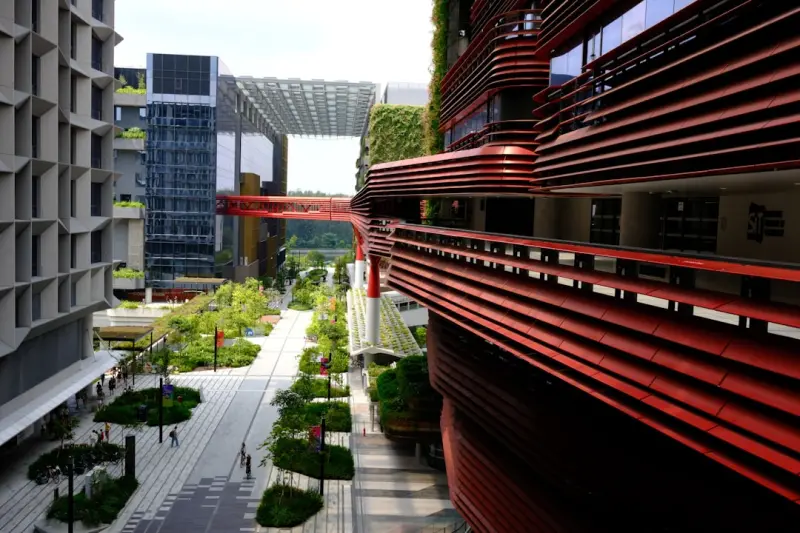
When I first walked into a loft that seemed to breathe, I realized the future of interior design isn’t about adding more objects—it’s about cultivating a living ecosystem that talks back to you. Imagine a space where the foliage not only purifies the air but also adjusts its lighting, humidity, and even scent based on the rhythm of your day. This is the promise of biophilic tech, a convergence of nature‑centric design and intelligent home automation that is quietly redefining how we experience interiors.
Why Biophilic Tech Is More Than a Trend
For decades, designers have championed biophilic principles—bringing natural elements inside to reduce stress, boost creativity, and improve overall well‑being. Yet, most implementations remain static: a potted plant here, a wooden accent there. The next evolution adds a layer of responsiveness. Sensors monitor carbon dioxide levels, temperature fluctuations, and even human movement, prompting the system to adjust water cycles, light spectra, and airflow in real time. The result is an environment that feels alive and attuned to its occupants.
Core Components of a Smart Green Space
- Plant‑IoT Sensors: Small, discreet devices that track moisture, light intensity, and nutrient uptake. Data is streamed to a central hub that interprets plant health.
- Adaptive Lighting: LED panels that mimic sunrise, midday sun, and sunset, calibrated to the specific photosynthetic needs of each plant species.
- Automated Irrigation: Micro‑drip systems linked to moisture sensors, delivering just enough water to avoid over‑ or under‑watering.
- Climate Modulation: Smart humidifiers and ventilation that maintain optimal humidity for tropical foliage while keeping the space comfortable for humans.
- Interactive Interfaces: Mobile apps or voice assistants that let users query plant status, adjust settings, or receive care tips.
Designing With Data: A New Aesthetic Vocabulary
Data isn’t just for engineers; it’s becoming a visual language in interiors. Imagine a wall panel that subtly shifts color based on the collective health of the plants behind it—a living mood ring for your home. Or a coffee table with an embedded display that shows a real‑time map of root activity, turning a mundane surface into an educational focal point. These visual cues bridge the gap between function and form, encouraging occupants to engage with the ecosystem rather than merely observe it.
Case Study: The Adaptive Home Office
One of my recent projects was a home office designed for a freelance developer who spends long hours at the desk. The challenge was to counteract the mental fatigue that comes from staring at screens all day. We installed a strategic scalability approach to the plant network: each workstation had a dedicated micro‑climate zone.
Key features included:
- A vertical garden behind the desk, equipped with low‑light tolerant ferns that responded to ambient light changes.
- Ambient lighting that gradually warmed as the day progressed, reducing blue‑light exposure and supporting circadian rhythm.
- An AI‑driven notification system that suggested short “green breaks,” prompting the user to stand, stretch, and sip water when the plants indicated peak transpiration.
After three months, the client reported a 27% increase in perceived productivity and a noticeable decline in eye strain. The space wasn’t just aesthetically pleasing; it was an active participant in wellness.
Integrating Sustainability: Beyond Aesthetic Appeal
Biophilic tech dovetails naturally with sustainability goals. Automated irrigation reduces water waste by up to 40% compared to traditional watering schedules. Moreover, many smart plant systems are powered by renewable energy sources—solar panels, kinetic floor tiles, or even waste‑heat recovery from HVAC units. By treating plants as living infrastructure, designers can create interiors that offset carbon footprints while delivering tangible health benefits.
Challenges and How to Overcome Them
While the concept is thrilling, implementation isn’t without hurdles:
- Complexity of Systems: Integrating sensors, controllers, and apps can feel overwhelming. Start small—choose one plant zone, master its automation, then scale outward.
- Maintenance Knowledge Gap: Not every homeowner is comfortable troubleshooting sensor errors. Provide clear, user‑friendly dashboards and offer a subscription service for periodic check‑ups.
- Cost Concerns: High‑end kits can be pricey. Look for modular solutions that let you upgrade components over time, spreading out investment.
Future Directions: The Convergence of Health Tech and Interior Design
As wearable health devices become ubiquitous, there’s an emerging opportunity to sync personal biometric data with interior ecosystems. Imagine a scenario where your smartwatch detects elevated stress levels, prompting the smart plant system to increase humidity, dim lights, and release a calming citrus aroma. This feedback loop transforms interiors from passive backdrops into active contributors to mental and physical health.
Practical Tips for Getting Started
- Start with a Statement Plant: Choose a species that aligns with the light conditions of the space and has visible benefits (e.g., snake plant for air purification).
- Choose Compatible Tech: Look for sensors that integrate with popular smart home platforms—Apple HomeKit, Google Home, or Amazon Alexa.
- Map Out Power Sources: Plan conduit routes early to avoid unsightly cords; consider wireless power solutions where possible.
- Educate Occupants: Provide a quick‑start guide that explains how the system works, how to interpret alerts, and basic plant care.
- Iterate and Refine: Use the data collected to fine‑tune watering schedules, light cycles, and climate settings for optimal plant health and occupant comfort.
Beyond the Home: Commercial Applications
Retail spaces, coworking hubs, and hotels are beginning to adopt biophilic tech to differentiate their environments. A boutique hotel might feature a lobby garden that subtly changes its scent profile based on guest traffic, creating a welcoming atmosphere that evolves throughout the day. A coworking space could use plant‑driven air quality metrics to allocate desk zones, ensuring that members always have access to the freshest air.
Bridging the Gap Between Design and Data
The success of biophilic tech hinges on collaboration. Designers bring the aesthetic narrative, while technologists translate sensor data into actionable insights. By fostering interdisciplinary workshops—where architects, interior designers, software engineers, and horticulturists brainstorm together—we can craft spaces that feel both organically beautiful and intelligently responsive.
Conclusion: A Living, Learning Home
Biophilic tech isn’t a gimmick; it’s a paradigm shift toward interiors that nurture the human spirit while honoring the planet. By embedding intelligence into the very greenery that decorates our walls, we create environments that adapt, heal, and grow alongside us. The next time you step into a room that seems to welcome you with a gentle rustle of leaves and a soft, calming glow, remember: you’re experiencing the future of interior design—one that’s as much about data as it is about dirt.
Ready to make your space smarter and greener? Dive deeper into the intersection of sustainability and design by exploring how ingredient transparency is reshaping consumer expectations, or discover how strategic scalability can inform the modular growth of your plant‑IoT network.

Sanji Patel is a Staff Writer at Blogging Fusion and a globally recognized SEO consultant with 25 years of industry experience. He specializes in delivering comprehensive technical and editorial SEO services to news publishers worldwide. Sanji frequently shares his insights as a speaker at international conferences and delivers annual guest lectures at local universities.
Professional Profile
- Current Role: Staff Writer at Blogging Fusion.
- Core Expertise: Technical and editorial SEO strategy.
- Target Audience: Global news publishers and digital media outlets.
- Industry Experience: 25 years of dedicated SEO consultancy.
- Public Engagement: International conference speaker and university guest lecturer.
Related Posts
Designing Adaptive, Multi‑Generational Spaces: Flexibility Meets Style
Discover the future of interior design with adaptive spaces that seamlessly shift from quiet reading... Read More
The Hybrid Home Office: Designing Spaces that Flex with Your Work Rhythm
Discover the core principles of modular furniture, acoustic zoning, adaptive lighting, sustainable m... Read More

Turning Your Home Into a Living Storybook
Discover a fresh interior design approach that weaves color, texture, lighting, and sustainable mate... Read More
Top Posts

The Future of Energy: How Sustainable Solutions Are Revolutionizing Our World
The future of energy is undergoing a significant transformation. Learn how sustainable energy solutions are driving innovation, growth, and a more sustainable f...Read More
Raising Tiny Trendsetters: A Rebel Dad’s Guide to Modern Baby & Toddler Parenting
A rebel dad shares his 2024 playbook for raising stylish, resilient toddlers—balancing tech, eco‑friendly choices, and mindful parenting for today’s famil...Read More

The Evolution of Search Engine Marketing: Navigating the Changing Landscape
The SEM industry has come a long way since its early days. Learn how AI, machine learning, and user experience are shaping the future of search engine marketing...Read More

Cultivating Calm: How Everyday Family Routines Build Emotional Resilience
Learn how simple daily routines—from shared breakfasts to unplugged evenings—can transform your home into a resilience‑building hub, empowering kids to th...Read More
0 Comments
Post Comment
You will need to Login or Register to comment on this post!