

When I first walked into a downtown boutique with a coffee in hand, I wasn’t just hunting for a new jacket—I was testing a hypothesis. Every touchpoint, from the window display to the checkout line, felt like a data point waiting to be decoded. That curiosity has followed me into the digital realm, where the line between “browsing” and “buying” blurs in milliseconds. In today’s hyper‑connected world, shopping is no longer a static transaction; it’s a dynamic conversation powered by real‑time signals, predictive insights, and, yes, a dash of human intuition.
The Rise of the “Instant Intent” Loop
Traditional retail relied on the “awareness‑consideration‑purchase” funnel, a linear path that assumed a shopper would move at a predictable pace. Modern shoppers, however, oscillate between these stages in a fraction of a second. A tweet about a product, a quick glance at a friend’s Instagram story, an algorithm‑driven recommendation—all can spark an instant intent that disappears as fast as it appears.
Capturing that fleeting moment requires a shift from “campaign‑centric” to “experience‑centric” design. Think of each interaction as a micro‑conversation where the merchant asks, “What do you need right now?” and the shopper answers with a click, a scroll, or even a pause. The key is to have the infrastructure ready to interpret those signals and respond before the shopper’s attention drifts elsewhere.
Real‑Time Data as the New Shopping Shelf
In the physical world, a well‑organized shelf tells a story: color palettes, price tiers, and product placement all guide the eye. Online, the “shelf” is a constantly updating feed driven by data streams such as:
- Behavioral breadcrumbs: pages visited, time spent, scroll depth.
- Contextual cues: device type, location, time of day.
- Social signals: likes, shares, and user‑generated content.
When these inputs converge, they create a real‑time portrait of shopper intent. Brands that can surface the right product, price, and promotion at the exact moment of intent turn passive browsers into decisive buyers.
Why “Tiny Triggers” Can Lead to Massive Wins
One of the most underappreciated tools in this ecosystem is the tiny triggers concept. Small, automated actions—like a subtle price drop notification after a shopper lingers on a product page for 30 seconds—can nudge a decision without feeling pushy. The magic lies in timing and relevance: the trigger must feel like a natural extension of the shopper’s journey, not a cold sales pitch.
Implementing these triggers doesn’t require a massive tech overhaul. A lightweight rule engine that monitors key behavioral metrics can fire personalized messages, offer limited‑time discounts, or suggest complementary items. When done right, the result is a cascade of micro‑conversions that add up to a significant revenue lift.
Personalization at Scale: The Role of Adaptive Marketing Toolsets
Scaling personalization across millions of shoppers is where adaptive marketing toolsets become indispensable. These platforms blend AI‑driven recommendation engines with human‑curated content blocks, allowing marketers to set high‑level goals while the system fine‑tunes the delivery in real time.
For instance, an adaptive tool can automatically adjust a product carousel based on a shopper’s previous purchases, current weather conditions, and even trending hashtags in their social feed. The result is a seamless blend of relevance and novelty that keeps the shopper engaged longer and reduces the friction that leads to cart abandonment.
Beyond the Discount: Building Trust Through Transparency
Discounts are a blunt instrument. They work, but they can erode perceived value and create a “price‑only” mindset. The smarter approach is to embed transparency into the shopping experience. Show the shopper why a product is priced a certain way—highlight sustainable sourcing, craftsmanship, or limited‑edition status. When shoppers understand the story behind the price, they’re more willing to pay a premium.
Transparency also means being clear about data usage. Shoppers are increasingly savvy about privacy, and brands that openly explain how they leverage data to improve experiences often earn higher trust scores. A simple banner that reads, “We use your browsing data to show you the most relevant products—no third‑party sharing,” can go a long way toward building that trust.
Omnichannel Harmony: Bridging the Physical and Digital
Even as e‑commerce dominates, brick‑and‑mortar still plays a vital role—especially for high‑touch categories like fashion and home goods. The future belongs to brands that blur the line between online and offline, delivering a unified experience no matter where the shopper interacts.
Examples include:
- Click‑and‑collect: Allowing shoppers to order online and pick up in store, with real‑time inventory updates.
- In‑store QR codes: Scanning a product tag to instantly see size‑availability, reviews, and personalized offers.
- AR fitting rooms: Using a smartphone camera to visualize how a piece of clothing would look, then seamlessly adding it to the cart.
Each of these touchpoints feeds data back into the central system, enriching the shopper profile and sharpening future recommendations.
Curating Sustainable Shopping Journeys
Modern consumers are not just looking for convenience; they want alignment with their values. Sustainability has moved from a niche concern to a core expectation. Brands can meet this demand by:
- Offering a “green filter”: Letting shoppers view only products that meet defined environmental criteria.
- Providing lifecycle transparency: Detailing the carbon footprint or recyclability of each item.
- Implementing closed‑loop programs: Encouraging returns for refurbishing or recycling, and rewarding participants with loyalty points.
When sustainability is woven into the shopping narrative—not tacked on as an afterthought—it becomes a differentiator that drives both loyalty and advocacy.
From Data to Delight: Crafting the Post‑Purchase Experience
The sale is only the beginning. A well‑orchestrated post‑purchase journey can turn a one‑time buyer into a lifelong ambassador. Key elements include:
- Real‑time order tracking: Interactive maps that update with each logistics milestone.
- Personalized follow‑ups: Automated emails that recommend accessories based on the purchased item, or request feedback at the optimal moment.
- Loyalty loops: Offering points, exclusive previews, or early‑access sales to reinforce the relationship.
Every post‑purchase touchpoint is another chance to gather data, refine the shopper profile, and set the stage for the next instant intent loop.
Measuring Success: Beyond the Conversion Rate
While conversion rate remains a crucial KPI, a holistic view of shopping performance should include:
- Intent capture velocity: How quickly the system detects and responds to an instant intent.
- Engagement depth: Average session duration, number of product views per session, and scroll depth on recommendation modules.
- Lifetime value (LTV) uplift: Incremental revenue generated from personalized triggers and post‑purchase programs.
These metrics provide a richer picture of how well a brand is mastering the conversation rather than merely closing the sale.
Practical Steps to Elevate Your Shopping Experience
- Audit your data streams: Identify which behavioral, contextual, and social signals you’re already capturing and where gaps exist.
- Implement a lightweight rule engine: Start with a few high‑impact tiny triggers—like a “still thinking?” email after 15 minutes of inactivity on a cart.
- Adopt an adaptive marketing platform: Choose a solution that balances AI automation with human oversight to keep the experience both personalized and brand‑consistent.
- Embed transparency: Clearly communicate how data powers personalization and the environmental impact of your products.
- Bridge offline and online: Deploy QR codes, AR tools, and click‑and‑collect options to unify the shopper journey.
- Design for sustainability: Offer filters, lifecycle data, and closed‑loop programs that align with shopper values.
- Invest in post‑purchase delight: Use real‑time tracking and personalized follow‑ups to keep the conversation alive.
By treating shopping as a living, data‑driven dialogue, brands can transform fleeting interest into lasting loyalty. The future isn’t about pushing products; it’s about listening, adapting, and responding in the moment—a dance of data and desire that keeps the shopper coming back for more.

Shawn DesRochers is a certified Microsoft technician and Programmer with 30+ year's experience. He has written many reviews on computer related products, software, and SEO related topics. When he's not writing reviews he can be found at one of the Oldest Directories Online Blogging Fusion Business Directory which he is the CEO of.
Related Posts

Why 2026 Is the Year Shopping Got Smarter and More Sustainable
Discover how AI, AR, and sustainability are reshaping shopping in 2026, from voice‑activated carts... Read More

The Evolution of Online Shopping: A New Era for Retail
The world of retail has undergone a significant transformation in recent years, with the rise of onl... Read More

Virtual Try‑On Tech Is Redefining Online Shopping
Virtual try‑on technology blends AI, AR, and 3D rendering to eliminate the confidence gap in onlin... Read More
Top Posts

Hiring on TikTok: Why SaaS Teams Are Scouting Talent in 15‑Second Clips
Learn how to turn TikTok’s fast‑paced video format into a powerful recruiting channel for SaaS firms, from crafting authentic story hooks to integrating ana...Read More

Beyond the Checkout: Curated Shopping Experiences That Win Hearts
Shoppers now crave curated experiences over simple discounts. This post explores how community curation, frictionless browser extensions, and data‑driven pers...Read More

The Definitive Guide to the Best Budget Digital Cameras: Capturing Quality Without Breaking the Bank
Embarking on a photographic journey often conjures images of expensive equipment and professional-grade gear. However, the modern photography landscape has demo...Read More
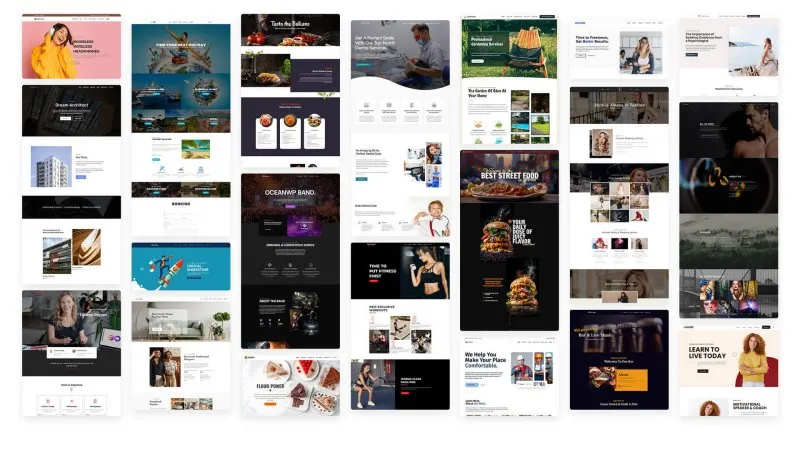
Harnessing All-in-One WordPress Themes for Comprehensive Digital Strategy
In the rapidly evolving landscape of digital presence, the challenge is no longer merely building a website; it is constructing a scalable, high-performance dig...Read More
0 Comments
Post Comment
You will need to Login or Register to comment on this post!