
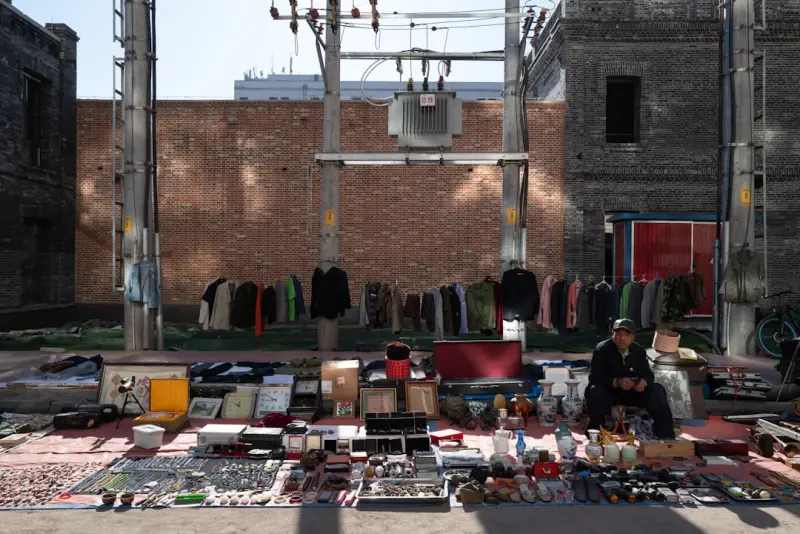
Why Neighborhood Pop‑Up Markets Are the Secret Weapon for Savvy Shoppers
There’s a buzz in the air that you can’t catch on a traditional e‑commerce site – the scent of fresh‑baked bread, the hum of a live acoustic set, the thrill of discovering a one‑off artisan piece before anyone else does. I’ve spent the last few years hopping from city‑center boutiques to online flash sales, and I’ve learned that the most rewarding shopping experiences happen where the digital meets the physical, right on our own sidewalks. In this post I’ll unpack why pop‑up markets are quickly becoming the go‑to playground for shoppers who crave authenticity, community, and a dash of surprise.
The Rise of Hyper‑Local Commerce
What started as a weekend farmer’s market in a small town has exploded into a global phenomenon. Brands, both emerging and established, are setting up temporary storefronts in vacant storefronts, parking lots, and even empty rooftops. The goal? To create a low‑risk, high‑impact touchpoint that bypasses the endless scroll of a product feed.
Unlike the static catalogs you see on most websites, pop‑ups are fluid. They can shift themes every few weeks – from “Zero‑Waste Home Essentials” to “Indie Tech Gadgets” – keeping the experience fresh and encouraging repeat visits. This fluidity feeds a psychological trigger known as the scarcity heuristic: when something feels limited in time, we value it more.
Community‑Driven Curation Beats Algorithmic Guesswork
When I walk into a pop‑up, I’m not greeted by a generic recommendation engine. I’m greeted by a curator who knows the neighborhood’s vibe, the local climate, and even the favorite coffee spot a block away. That human touch is impossible for a cold algorithm to replicate.
- Personal stories matter. Vendors often share the origin story of each product, turning a simple purchase into a narrative.
- Instant feedback loops. Shoppers can try, test, and immediately tell the maker what works – and what doesn’t – creating a rapid iteration cycle.
- Social proof in real time. Seeing a friend pick up a handcrafted mug or watching a live demo builds trust faster than a five‑star rating on a website.
These elements combine to produce a shopping experience that feels co‑created, not just consumed. It’s a subtle shift from “I’m buying a product” to “I’m joining a community.”
From Clicks to Brick: The Seamless Omnichannel Journey
Modern shoppers expect the best of both worlds. They might discover a quirky ceramic vase on Instagram, then hunt for it at a local pop‑up before the vendor sells out. Brands are responding by integrating QR codes, mobile‑first checkout, and even AR try‑ons that blend the virtual and physical.
Imagine scanning a QR code on a tote bag at a pop‑up, instantly seeing a 3‑D model of the bag in your own living room via your phone. You can rotate, zoom, and even see how it pairs with other items you already own. This “try‑before‑you‑buy” approach reduces the friction of impulse purchases while preserving the excitement of discovery.
In fact, the AI Shopping Revolution article highlighted how intelligent assistants are reshaping purchase paths. Pop‑ups are taking that insight a step further by grounding technology in a tactile environment, proving that the future of shopping isn’t purely digital – it’s a hybrid.
Sustainability at the Core
One of the most compelling reasons I keep returning to pop‑up markets is their commitment to sustainability. Vendors often source locally, use recyclable packaging, and practice upcycling. This aligns perfectly with the principles of Circular Design, where waste becomes a resource.
When you buy a reclaimed wood table from a pop‑up, you’re not just adding a piece of furniture to your home; you’re preventing that wood from ending up in a landfill. The environmental impact is measurable, and shoppers can see the story behind each item, turning a simple transaction into a climate‑positive action.
Economic Benefits for Small Brands
Setting up a permanent storefront can be a monumental expense for a fledgling brand. Pop‑ups, on the other hand, require a fraction of the cost: a short lease, basic fixtures, and a modest marketing push. This low barrier to entry democratizes retail, allowing creators from diverse backgrounds to showcase their work.
For consumers, the payoff is an influx of fresh, innovative products that would otherwise be buried under the algorithmic noise of larger marketplaces. For brands, the payoff is immediate market validation, real‑world data, and the ability to build a loyal following without a massive upfront investment.
Data‑Driven Insights Without Invasive Tracking
While big‑tech platforms rely on invasive tracking to understand consumer behavior, pop‑ups gather data organically. Every purchase, every conversation, and every on‑site interaction becomes a data point that can be anonymized and analyzed to refine product offerings.
Brands can ask simple, non‑intrusive questions like “What brought you here today?” or “Which product caught your eye?” The responses are authentic because they’re collected in the moment, not after a user has been logged out of a session and bombarded with retargeting ads.
Creating Memorable Brand Moments
Think about the most memorable shopping moments you’ve had. Chances are, they involved a surprise – a live music set, a free tasting, a workshop that taught you to make your own soap. Pop‑ups excel at orchestrating these moments because they operate outside the constraints of a permanent space.
- Workshops and demos. Brands can host a quick tutorial on how to style a scarf, turning a passive buyer into an active participant.
- Collaborative installations. Pairing a local artist with a sustainable fashion line creates an Instagram‑worthy backdrop that fuels word‑of‑mouth.
- Limited‑edition drops. Releasing a product only at the pop‑up drives urgency and exclusivity.
These experiences translate into social media content that shoppers willingly share, amplifying the brand’s reach organically.
Future Trends: What’s Next for Pop‑Ups?
While the current wave is already impressive, several emerging trends promise to push pop‑ups even further:
- Hybrid virtual‑physical events. Brands will livestream pop‑up experiences, allowing remote shoppers to participate in real time, ask questions, and even claim a product for later pickup.
- AI‑curated product mixes. Using the data gathered from on‑site interactions, AI can suggest complementary items in the moment, creating a personalized bundle without the need for a massive inventory.
- Micro‑logistics hubs. Pop‑ups could serve as last‑mile delivery points, turning a temporary space into a functional node in the supply chain.
These innovations will blur the lines between digital and physical even more, making the pop‑up model a permanent fixture in the retail landscape, not just a seasonal novelty.
How to Make the Most of Your Pop‑Up Visits
If you’re new to the pop‑up scene, here’s a quick guide to maximize your experience:
- Do a little research. Follow local community boards, Instagram hashtags, and city newsletters to stay in the loop.
- Bring an open mind. The charm of pop‑ups lies in unexpected discoveries – you might leave with a product you never knew you needed.
- Engage with the creators. Ask about their process, sustainability practices, and future plans. Vendors love sharing their story, and you’ll walk away with more than just a purchase receipt.
- Take notes or photos. You’ll thank yourself later when you try to recall a product’s details for a repeat buy.
- Share your experience. Tag the brand, use the event hashtag, and leave a quick review. Your feedback helps the community grow.
Conclusion: Shopping as a Social Ritual
Shopping has always been more than a transaction; it’s a cultural ritual that reflects who we are and where we belong. Pop‑up markets revive that ritual in a modern, sustainable, and data‑smart way. They give us the thrill of discovery, the comfort of community, and the satisfaction of supporting local economies – all while keeping the environmental footprint low.
So next time you see a flyer for a “Pop‑Up Night” in your neighborhood, consider it an invitation to step out of the algorithmic echo chamber and into a space where real people, real stories, and real products converge. Your future self (and the planet) will thank you.

Laura Wilson is a freelance writer specializing in the dynamic and ever-evolving field of health. With a passion for translating complex medical information into accessible and engaging content, Laura brings a wealth of knowledge and a fresh perspective to topics ranging from preventative care and nutrition to cutting-edge research and innovative treatments.
Related Posts
From Window Shopping to Wallets: Redefining Retail with Real‑Time Experience Design
A deep dive into turning instant shopper intent into lasting loyalty through real‑time personaliza... Read More
The Ultimate Guide to the Best Star Wars Gifts: From Legos to Lightsabers, Books, and Toys
The Star Wars franchise has been a cultural phenomenon for decades, captivating the hearts of millio... Read More
Choosing the Best Cordless Vacuums to Master Your Time and Money
n an era defined by efficiency and convenience, the traditional corded vacuum cleaner, with its teth... Read More
Top Posts

Are Free VPNs Worth It? Top Advantages You Need to Know
The use of Virtual Private Networks (VPNs) has skyrocketed in recent years due to the growing concern for online privacy and security. VPNs encrypt your interne...Read More

The Tiny Token Strategy: Turning Simple Gifts Into Big Business Wins
A deep dive into using personalized, low‑cost gifts as strategic tools to strengthen B2B connections, featuring actionable steps, real‑world examples, and i...Read More
Why Real‑Time Cash Flow Dashboards Are the CFO’s New Compass
A deep dive into how live cash flow dashboards shift CFOs from reactive spreadsheets to proactive decision‑makers, covering data hygiene, tool selection, desi...Read More
Unlocking Value: The Strategic Advantage of Loyalty Point Programs in Personal Finance
In an increasingly competitive marketplace, businesses perpetually seek methods to foster customer retention and encourage repeat patronage. Among the most perv...Read More
0 Comments
Post Comment
You will need to Login or Register to comment on this post!