
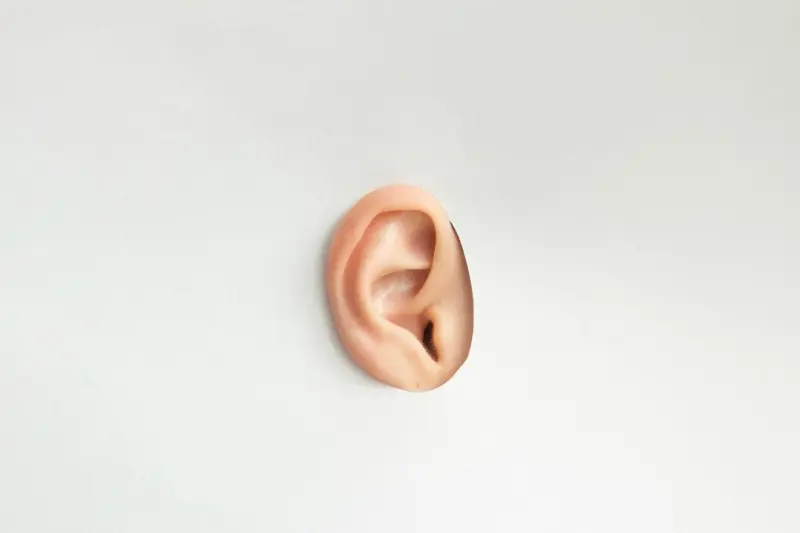
Opening the Senses: A New Era for Brick‑and‑Mortar Retail
When I first stepped into a boutique that greeted me with the faint aroma of fresh pine, a subtle soundtrack of acoustic guitar, and a plush, textured floor, I realized something profound: shopping is no longer just a transaction, it’s an experience engineered for the senses. As a lifelong observer of consumer behavior, I’ve watched the digital tide reshape expectations, yet the physical store still holds an untapped reservoir of sensory power that many retailers overlook.
The Science Behind the Sensory Overload
Neuroscience tells us that our brains process sensory information in a hierarchy. Smell is the most primal cue, wiring directly to the limbic system where emotions and memory reside. Sound follows, influencing mood and perceived pace of movement, while touch (or haptic feedback) informs judgments of quality and comfort. When these cues harmonize, shoppers linger longer, recall the brand more vividly, and—most importantly—spend more.
- Olfactory triggers can increase purchase intent by up to 30% when the scent aligns with the brand story.
- Auditory ambiance that matches the store’s pacing can reduce perceived wait times, subtly encouraging deeper browsing.
- Tactile elements such as textured displays or interactive product demos reinforce the perceived value of high‑ticket items.
Why Retailers Have Ignored This Gold Mine—Until Now
For years, the retail narrative has been dominated by the checkout experience and digital integration. While those are undeniably critical, they often eclipse the foundational moments that set the tone: the moment a customer walks through the door.
Many merchants treat the storefront like a neutral canvas, focusing on lighting or merchandising alone. The missing piece is a cohesive sensory strategy that aligns scent, sound, and texture with the brand’s identity. Without that alignment, stores risk feeling generic—no different from an online catalogue.
Crafting a Sensory Blueprint: Step‑by‑Step
Below is a pragmatic framework I’ve refined through consulting with mid‑size retailers across fashion, home goods, and specialty foods. Each step is designed to be actionable, budget‑friendly, and scalable.
1. Define Your Brand’s Sensory Signature
Ask yourself: If my brand were a perfume, what notes would it contain? If it were a song, what genre would it play? Document these answers and translate them into concrete sensory elements.
- Scent: Choose a signature fragrance that echoes your brand’s ethos—citrus for fresh, eco‑friendly lines; warm vanilla for luxury interiors.
- Soundtrack: Curate a playlist that mirrors your target demographic’s lifestyle—indie folk for artisanal markets, upbeat electronic for tech‑savvy apparel stores.
- Tactile Touchpoints: Integrate materials—soft velour for boutique clothing, reclaimed wood for sustainable home décor—that invite hands‑on interaction.
2. Map the Customer Journey Through the Senses
Identify key touchpoints where sensory cues can reinforce decision‑making. Typical zones include:
- Entrance: A welcoming scent and subtle ambient music set the emotional baseline.
- Product Displays: Textured fixtures that invite touch, paired with localized scent diffusers.
- Fitting Rooms/Trial Areas: Soft lighting and calming aromas reduce anxiety, encouraging purchase confidence.
3. Leverage Technology Without Overcomplicating
Modern tools make sensory deployment easier than ever. For instance, smartphone-enabled QR wayfinding can guide shoppers to scent‑specific zones, delivering a short video that explains the fragrance story behind a product line. This not only educates but also deepens the emotional connection.
Simple IoT devices allow timed scent releases, ensuring the fragrance isn’t overwhelming and stays fresh throughout the day. Sound can be streamed centrally, with zone‑specific playlists that adapt to foot traffic analytics.
4. Test, Iterate, and Measure
Unlike visual merchandising, sensory impact isn’t always instantly obvious. Implement A/B tests by swapping scents or playlists in comparable store sections and track metrics such as dwell time, average transaction value, and repeat visit rate. Use in‑store surveys to capture qualitative feedback—people often articulate how a scent made them feel, providing valuable insights for refinement.
Real‑World Success Stories
Consider a regional home‑goods retailer that introduced a subtle pine‑scented diffuser in its living‑room display area, coupled with soft instrumental music. Within three months, sales of the featured sofa line rose 22%, and customer satisfaction scores on ambiance climbed from 3.2 to 4.6 out of 5.
Another boutique clothing store experimented with a tactile “fabric wall” where shoppers could run their fingers across swatches of sustainable fabrics while a curated playlist of indie acoustic tracks played. The result? A 15% increase in average basket size and a noticeable uptick in social media mentions of the “feel‑good” shopping experience.
Common Pitfalls and How to Avoid Them
Overpowering Fragrances: A scent that’s too strong can cause headaches and drive customers away. Start with low‑intensity diffusers and gather feedback before scaling.
Inconsistent Auditory Themes: Switching music genres abruptly can confuse shoppers. Keep the soundtrack consistent throughout the store, adjusting tempo subtly to match peak traffic periods.
Neglecting Accessibility: Sensory experiences must be inclusive. Offer quiet zones for neurodivergent shoppers and ensure that scent levels comply with health regulations.
The Future: Integrating Sensory Data into Retail Analytics
As data platforms evolve, the next frontier will be quantifying sensory impact. Imagine a dashboard that correlates footfall heatmaps with real‑time scent diffusion levels, or an AI model that predicts optimal playlist tempos based on time of day and weather conditions. While still nascent, early adopters who lay the groundwork now will gain a decisive competitive edge.
For retailers hesitant about the upfront investment, start small—one pilot aisle, one signature scent, one curated playlist. The incremental ROI often justifies broader rollouts, and the lessons learned become a playbook for future expansions.
Takeaway: Sensory Shopping Isn’t a Gimmick; It’s a Growth Engine
In an era where online shopping offers convenience, physical stores must double down on what they can do best: engage the human senses. By thoughtfully weaving scent, sound, and touch into every square foot, brands transform ordinary retail trips into memorable, emotion‑driven journeys that drive loyalty and revenue.
If you’re ready to embark on this sensory renaissance, start by defining your brand’s unique aroma, curating a soundtrack that tells your story, and inviting customers to literally feel the difference. The results may just surprise you.

David Moore is a freelance writer specializing in two dynamic and ever-evolving fields: gambling and the tech industry. With a keen eye for detail and a knack for unraveling complex topics, David delivers insightful and engaging content that keeps readers informed and entertained.
Related Posts

When AI Becomes Your Shopping Buddy: The Next Wave of Consumer Experience
AI is turning shopping into a personalized conversation, blending convenience with trust. This artic... Read More

Choosing the Best Cordless Vacuums to Master Your Time and Money
n an era defined by efficiency and convenience, the traditional corded vacuum cleaner, with its teth... Read More

Group Buying 2.0: How Collective Power Is Rewriting the Retail Playbook
A deep dive into the resurgence of group buying, its tech backbone, and why it’s becoming the goâ€... Read More
Top Posts
The Future of Den Access: Why Automatic Smart Pet Doors are Redefining Home Security
For pet owners, the "door dilemma" is a universal experience. It is the perpetual oscillation between the desire to grant one’s companion freedom and the nece...Read More

ChatGPT as the Quiet Co‑Pilot for B2B SaaS Product Discovery
Laura Wilson shares her hands‑on experience turning ChatGPT into a quiet co‑pilot for product discovery, offering practical prompts, workflow integrations, ...Read More
Why you should get a Doorbell Cam
In an increasingly connected world, where convenience and security are paramount, the concept of home protection has evolved dramatically beyond traditional loc...Read More

The Generative Cinema War: Analyzing OpenAI’s Sora vs. Google’s Veo 3 and the Future of Algorithmic Fidelity
The introduction of high-fidelity, text-to-video generators marks the most significant paradigm shift in creative technology since the advent of desktop publish...Read More
0 Comments
Post Comment
You will need to Login or Register to comment on this post!