
Why the Senses Matter More Than Square Footage
When I first walked into a showroom that smelled faintly of cedar and heard a soft hum of background music, I felt an immediate shift. The space didn’t need extra square footage or a bold color palette to impress; it whispered comfort to my nervous system. That moment sparked my lifelong obsession with sensory‑first interior design—the art of crafting environments that engage sight, sound, touch, and even scent to nurture well‑being.
The Science Behind Sensory Spaces
Our brains process a barrage of sensory data every second. Neuroscientists call this the multisensory integration process, where sight, sound, and touch combine to shape our emotional state. Research shows that strategic lighting can lower cortisol, soft textures can reduce anxiety, and ambient soundscapes can boost focus. When designers deliberately orchestrate these cues, they create a physiological feedback loop that makes occupants feel more relaxed, energized, or creative—depending on the intention.
Light: The Invisible Designer
Light is the most powerful yet subtle design tool. Natural daylight aligns our circadian rhythm, while artificial lighting can be tuned to mimic sunrise, noon, or dusk. When selecting fixtures, consider color temperature (measured in Kelvin) and CRI (Color Rendering Index). A warm 2,700 K lamp creates intimacy, while a crisp 5,000 K light energizes a home office.
Smart lighting systems, which integrate with voice assistants, let you ambient computing concepts at home—automatically dimming lights when you’re watching a movie or brightening them as you start a workout. The key is to program transitions that feel natural, not jarring.
Soundscapes: Designing with Audio in Mind
Most interior design conversations skip over acoustics, yet sound is a massive mood driver. Open‑plan spaces can become echo chambers, while poorly insulated rooms suffer from unwanted street noise. Here’s how to curate a harmonious sound environment:
- Absorption: Use acoustic panels, plush rugs, and upholstered furniture to dampen reverberation.
- Diffusion: Bookshelves, irregular wall textures, and plant clusters scatter sound evenly.
- Background Audio: Subtle nature recordings or low‑volume ambient music can mask intrusive noises and enhance focus.
When you pair these strategies with a quality sound system that can be controlled via a smartphone, you turn a room into a dynamic acoustic canvas.
Touch: The Power of Texture
We often overlook tactile experiences because they’re not immediately visible. Yet the texture of a sofa, the grain of a wooden table, or the softness of a linen curtain can trigger emotional memories. A study from the University of Michigan found that participants who touched natural materials reported higher levels of comfort than those who only viewed the same items.
To leverage this, mix materials deliberately:
- Contrast: Pair a smooth marble countertop with a rough, hand‑woven rug.
- Layering: Add a tactile wallcovering—like a reclaimed wood panel—behind a sleek glass cabinet.
- Temperature: Incorporate cool surfaces (e.g., stone) in hot climates and warm, plush fabrics in colder regions.
Biophilic Design: Bringing the Outdoors In
Humans have an innate connection to nature—a concept known as biophilia. Integrating plants, natural light, and organic forms can reduce stress and improve air quality. But biophilic design isn’t limited to a few potted ferns. Think bigger:
- Living walls that act as vertical gardens.
- Water features that provide a gentle auditory backdrop.
- Materials that mimic natural patterns, such as stone‑inspired tiles or wood‑grain concrete.
When you pair biophilic elements with sustainable sourcing, you also align with the growing demand for green design practices. Choose reclaimed wood, recycled metal, or low‑VOC finishes to keep the ecological footprint low while delivering an authentic natural feel.
Tech‑Enabled Sensory Experiences
Modern interiors can blend the tactile with the digital. Sensors detect occupancy and adjust lighting, temperature, and sound automatically. Augmented reality (AR) apps let homeowners visualize how a new texture or color will feel before committing. Even scent diffusers can be programmed to release calming lavender at dusk or energizing citrus in the morning.
While some designers fear tech will dominate the aesthetic, the most successful projects use technology as an invisible layer. It should support, not steal, the sensory narrative you’ve crafted.
Practical Steps to Create a Sensory‑First Space
Ready to transform your space? Follow this roadmap:
- Audit the Current Environment: Walk through each room and note lighting quality, sound issues, texture variety, and natural elements.
- Define the Desired Mood: Is the room meant for focus, relaxation, or socializing? Write down the emotional goals.
- Map Sensory Interventions: For each mood, assign a lighting scheme, a sound profile, a tactile palette, and a biophilic element.
- Select Materials & Fixtures: Choose items that meet both aesthetic and sensory criteria—e.g., a matte ceramic tile for soft visual reflection, a high‑CRi LED for accurate colors.
- Integrate Smart Controls: Install dimmers, motion sensors, and app‑based sound systems that let you tweak settings on the fly.
- Test & Refine: Spend a week living in the space, adjusting brightness, volume, or scent intensity as needed.
Case Study: A Home Office Turned Creative Sanctuary
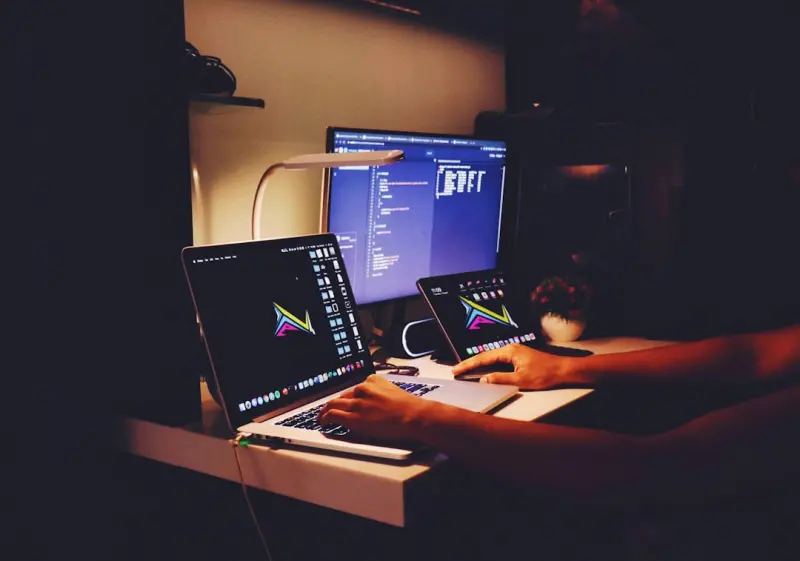
One of my recent clients, a freelance graphic designer, struggled with “Zoom fatigue” and scattered focus. We re‑imagined his 150‑sq‑ft loft using a sensory‑first approach:
- Light: Installed a skylight and a tunable LED panel that shifted from cool blue (morning) to warm amber (evening).
- Sound: Added acoustic ceiling tiles and a discreet white‑noise machine that played a low‑frequency forest soundtrack.
- Touch: Replaced the hard plastic chair with a high‑back ergonomic seat upholstered in breathable wool.
- Biophilia: Mounted a vertical garden of succulents behind the monitor and placed a small indoor fountain on the desk.
- Tech: Integrated a smart hub that synced lighting, sound, and scent based on his calendar events.
After a month, his productivity metrics rose by 27 % and his self‑reported stress levels dropped dramatically. The space became a place he genuinely looked forward to entering each day.
Future Trends: Sensory Design Meets Wellness Tech
We’re on the cusp of a new wave where interior design and wellness technology converge. Anticipate developments such as:
- AI‑Curated Atmospheres: Systems that analyze biometric data (heart rate, skin conductance) and adjust environmental variables in real time.
- Responsive Materials: Fabrics that change texture based on temperature or humidity, offering a dynamic tactile experience.
- Holistic Scent Mapping: Algorithms that pair specific aromas with tasks—citrus for brainstorming, sandalwood for deep work.
Designers who master the fundamentals of sensory design now will have a head start when these technologies become mainstream.
Conclusion: The Gift of Feeling
Interior design isn’t just about visual impact; it’s about crafting an environment that feels right. By deliberately shaping light, sound, touch, and nature, you give occupants a subtle yet profound gift—a space that supports their mental, emotional, and physical health. The next time you sit down to sketch a floor plan, ask yourself: How will this room feel, not just look? The answer will guide you toward designs that stand the test of time, because they resonate with the most human part of us all—our senses.

Jim Pearse, a seasoned freelance writer, brings a wealth of knowledge and passion to the world of home and garden. From the intricacies of landscaping to the nuances of interior design, Jim delves into every aspect of creating comfortable, beautiful, and functional living spaces.
Related Posts
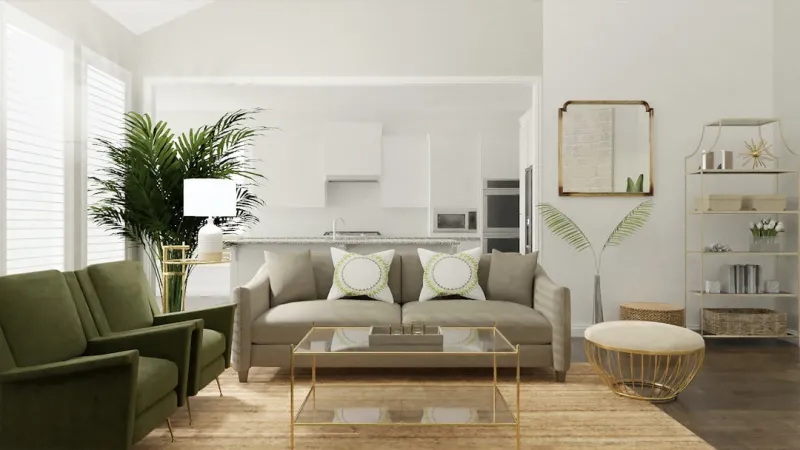
Creating a Sanctuary: How Interior Design Can Impact Mental Health
Learn how interior design can affect mental health and get tips for creating a peaceful and restful ... Read More
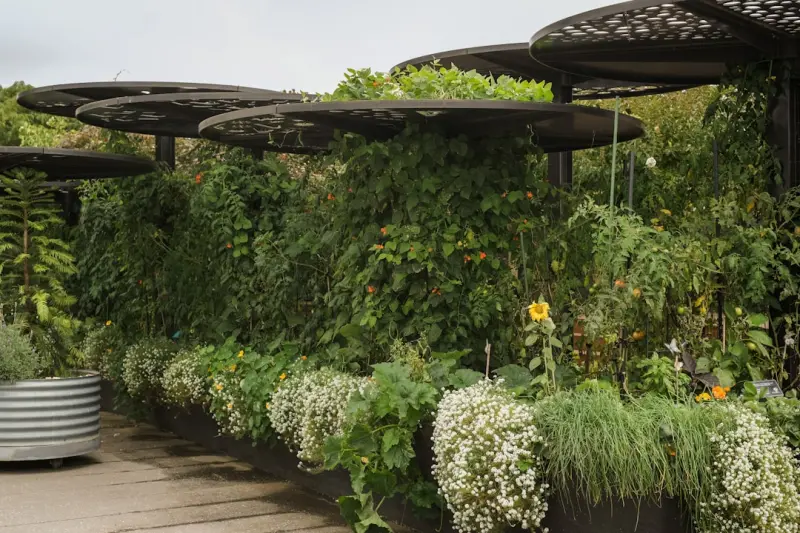
Bringing the Outdoors In: How Biophilic Design Transforms Modern Interiors
Discover the power of biophilic design—using plants, natural light, water, and organic textures—... Read More
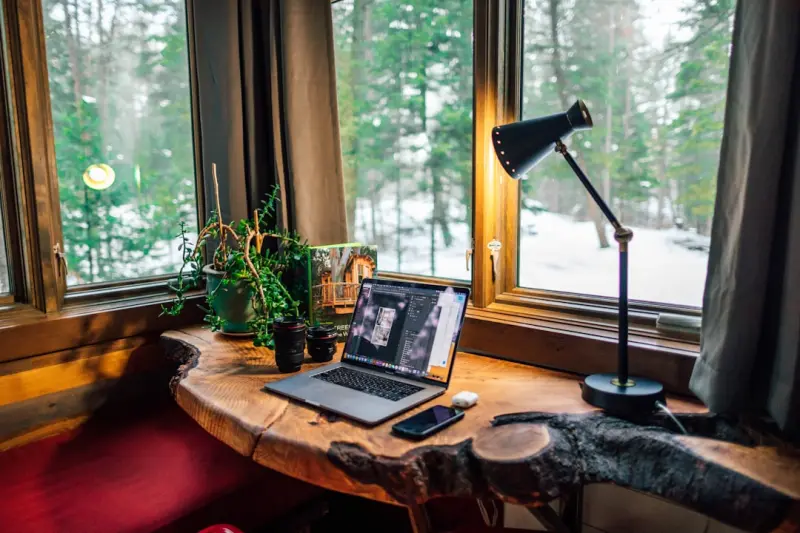
Nature‑Infused Home Offices: Boosting Well‑Being with Biophilic Design
A practical guide to integrating plants, natural materials, and organic light into your home office,... Read More
Top Posts

The Evolution of SEO: Navigating the Changing Landscape of Search Engine Optimization
The field of SEO is dynamic and ever-changing. Learn how to navigate the changing landscape of search engine optimization to drive more traffic, leads, and sale...Read More
Shared Hosting Secrets Every Creative Freelancer Should Know
Learn why shared hosting remains a powerful, cost‑effective foundation for creatives, with practical tips on performance, security, SEO, and when to upgrade....Read More

Google’s Quiet Revolution: How AI, Sustainability, and Privacy Are Redefining B2B SaaS
Miranda Murphy breaks down Google’s emerging AI platform Gemini, sustainable cloud initiatives, and privacy sandbox, offering a practical playbook for B2B Saa...Read More

Beyond Conception: Fertility Clinics and the Redefined Landscape of Proactive Family Planning
The journey toward building a family is deeply personal and rarely linear. For decades, fertility clinics were primarily recognized as centers for addressing cl...Read More
0 Comments
Post Comment
You will need to Login or Register to comment on this post!