
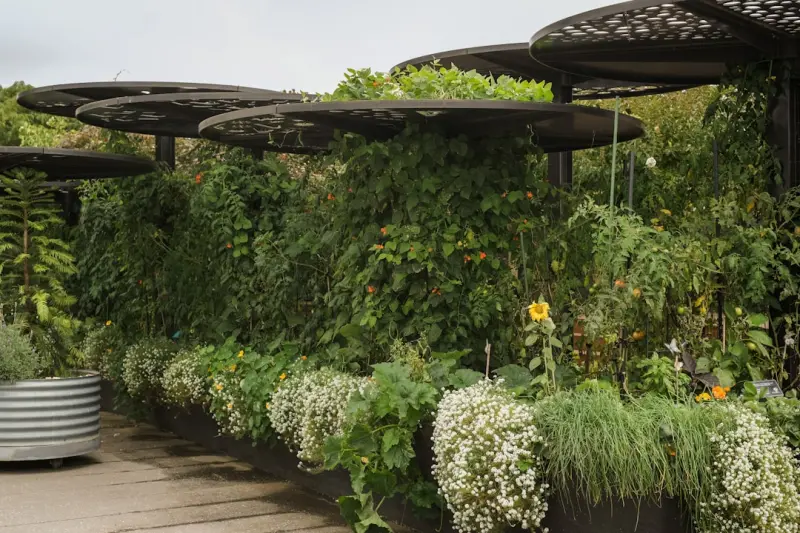
Imagine stepping into a living room where the soft rustle of leaves, the gentle play of sunlight on a wooden table, and the subtle scent of fresh earth greet you before you even notice the sofa. That is the promise of biophilic design—a movement that re‑imagines interior spaces as extensions of the natural world. While the term may sound trendy, its roots stretch back to ancient architecture, where courtyards, gardens, and natural light were integral to habitations. Today, armed with a deeper understanding of how humans respond to nature, designers are weaving plants, light, water, and organic textures into homes, offices, and public spaces to create environments that nurture both body and mind.
Why Nature Matters in the Built Environment
Decades of research in environmental psychology and neuroscience reveal that exposure to natural elements triggers a cascade of physiological responses: reduced cortisol levels, lower heart rate, and increased dopamine. In simple terms, we feel calmer, more focused, and genuinely happier when we interact with elements that echo the outdoors.
These findings are not merely academic; they translate into tangible outcomes. Workers in biophilic offices report higher job satisfaction and lower absenteeism, while patients in hospitals with greenery experience faster recovery times. The impact on residential settings is equally compelling—families who integrate nature into their homes often notice better sleep quality, improved mood, and even enhanced creativity among children.
The Core Principles of Biophilic Design
Biophilic design can be broken down into three interconnected layers:
- Direct Connection: Incorporating tangible natural elements such as live plants, water features, natural light, and fresh air.
- Indirect Connection: Using patterns, colors, and materials that evoke nature—think wood grain, stone textures, or botanical prints.
- Space and Place: Designing spatial experiences that mirror natural environments, like creating a sense of openness, refuge, or a journey through varying zones.
When these layers are thoughtfully balanced, the result is an interior that feels both dynamic and comforting, echoing the rhythms of the natural world without sacrificing modern functionality.
Getting Started: A Practical Checklist for Designers
For those eager to adopt biophilic principles, here’s a step‑by‑step guide that can be applied to any project, regardless of budget or scale.
- Audit the Light. Begin by assessing natural light sources. Maximize daylight through larger windows, skylights, or light wells. Where sunlight is limited, consider full‑spectrum LED fixtures that mimic the sun’s color temperature throughout the day.
- Introduce Living Green. Plants are the most accessible way to bring nature inside. Choose species based on light levels, maintenance, and air‑purifying qualities. For low‑maintenance spaces, snake plants, ZZ plants, or succulents work wonders.
- Embrace Natural Materials. Replace synthetic finishes with wood, stone, bamboo, or cork. Even a reclaimed wood accent wall or a stone countertop can anchor a room in the organic world.
- Integrate Water Elements. A subtle tabletop fountain, a wall-mounted water feature, or even a decorative bowl of pebbles with a small pump can introduce the soothing sound of flowing water.
- Curate a Color Palette Inspired by the Outdoors. Greens, earthy browns, sky blues, and muted terracotta create a soothing backdrop. Accent with brighter hues found in flowers or autumn foliage for visual interest.
- Play with Texture. Layer textures—soft linens, rough natural fibers, smooth stone—to engage the tactile senses. A woven rug paired with a polished wooden table creates a pleasing contrast.
- Create Views and Vistas. Position furniture to frame outdoor scenes or interior greenery, fostering a visual connection to nature.
- Design for Movement and Flow. Mimic natural pathways by guiding occupants through varied zones—quiet nooks, open gathering areas, and transitional spaces that feel like a gentle walk through a garden.
- Leverage Technology Thoughtfully. While the focus is on nature, technology can enhance the experience. Smart lighting systems that adjust color temperature based on time of day reinforce circadian rhythms without breaking the natural aesthetic.
Case Study: Transforming a Corporate Lobby with Biophilic Elements
One recent project involved redesigning a corporate lobby that previously felt sterile and intimidating. The design team began by installing a living green wall spanning the main wall, using a mix of ferns and low‑light tolerant plants. Overhead, a series of skylights were added to flood the space with daylight, reducing reliance on harsh fluorescent lighting.
To complement the greenery, the floor was replaced with sustainably sourced reclaimed hardwood, and a shallow, recirculating water feature was placed near the reception desk. The final touch was a custom mural depicting abstract forest canopies, rendered in muted greens and blues. The result? Employees reported feeling more welcomed and less stressed, and visitor satisfaction scores rose dramatically.
Balancing Aesthetics and Functionality
Critics sometimes argue that biophilic design is merely decorative, but its success hinges on marrying aesthetics with purpose. For instance, a plant not only adds visual appeal but also improves indoor air quality by filtering pollutants. Similarly, natural light reduces energy consumption and supports human circadian rhythms, which can enhance overall productivity.
When selecting biophilic elements, consider the following:
- Maintenance Commitment: Choose plants that fit the caretaker’s capacity. Low‑maintenance options can still make a significant impact.
- Spatial Constraints: In smaller apartments, vertical gardens or hanging planters maximize greenery without sacrificing floor space.
- Climate Considerations: Align plant selections with regional climate to ensure longevity and reduce the need for artificial climate control.
Future Trends: Integrating Data and Nature
As technology advances, designers are exploring ways to fuse data-driven insights with biophilic design. For example, sensors can monitor indoor air quality and adjust ventilation or misting systems for water features automatically. While the integration of tech might feel at odds with the natural ethos, when done subtly, it enhances the health benefits without detracting from the organic feel.
To learn more about how emerging tools are reshaping design decisions, check out this insightful article on future of generative tools in interior planning. It explores how algorithms can suggest optimal plant placements based on light patterns and occupant movement, bridging the gap between data and design.
Common Pitfalls and How to Avoid Them
Even with the best intentions, biophilic design can fall short if not executed thoughtfully. Here are some frequent missteps and corrective strategies:
- Overcrowding with Plants: Too many plants can feel chaotic. Aim for balance—use plants as focal points rather than filling every surface.
- Neglecting Light Balance: Excessive direct sunlight can scorch foliage. Use sheer curtains or strategic placement to diffuse harsh rays.
- Choosing Trendy Over Sustainable: Opt for locally sourced, sustainably harvested materials over flashy imports that may have a larger carbon footprint.
- Ignoring Acoustics: Water features and soft textures can dampen noise, but large glass surfaces can amplify sound. Incorporate acoustic panels or soft furnishings to maintain a peaceful environment.
Beyond the Home: Biophilic Design in Public Spaces
Hospitals, schools, and libraries are embracing biophilic principles to create healing and learning environments. A children's library might feature a “forest nook” with tree‑like bookshelves, while a clinic could incorporate a waiting room garden visible through floor‑to‑ceiling glass. These applications demonstrate that biophilic design is not limited to luxury homes; it is a universal language of wellbeing.
Measuring the Impact
Quantifying the success of biophilic design goes beyond aesthetic appreciation. Surveys measuring occupant satisfaction, productivity metrics, and health indicators (like reduced sick days) provide concrete data. In one office study, employees reported a 15% increase in focus after the introduction of green walls and natural light, while absenteeism dropped by 12%.
For designers seeking data‑driven validation, explore resources that delve into the science of micro‑scale design interventions. A great read on this topic is tiny impactful design details, which highlights how subtle changes can yield outsized results.
Getting Started on Your Own Project
If you’re a homeowner, interior designer, or facility manager ready to embark on a biophilic journey, start small. Introduce a single statement plant, replace a synthetic rug with a natural fiber one, or reposition furniture to capture a view of an outdoor garden. As confidence grows, layer additional elements—water, textures, natural light—into the space.
Remember, biophilic design is a mindset as much as a checklist. It’s about listening to the subtle cues of the environment, honoring the innate human connection to nature, and translating that reverence into the built world.
Conclusion: The Timeless Appeal of Nature Inside
In an era dominated by screens and rapid urbanization, the yearning for nature is more pronounced than ever. Biophilic design offers a practical, aesthetically compelling solution that meets this need while enhancing health, productivity, and emotional wellbeing. By thoughtfully integrating plants, light, water, and natural materials, designers can create spaces that feel alive—spaces that invite occupants to breathe, reflect, and thrive.
Whether you’re redesigning a corporate lobby, a boutique hotel, or your own living room, the principles of biophilic design provide a roadmap to environments that are not only beautiful but also profoundly nurturing. The next time you walk into a room, ask yourself: does it feel like a slice of the outdoors? If the answer is yes, you’ve successfully brought a piece of nature home.

Armed with a degree in English Literature, Jill’s journey into the digital space wasn't just a career move; it was a natural extension of her lifelong love affair with storytelling. While some writers view search engine optimization (SEO) as a rigid constraint, Jill sees it as a creative puzzle. She understands the delicate art of balancing the algorithmic demands of search engines with the human desire for resonance, emotion, and value. To Jill, keywords aren't just targets to hit; they are the breadcrumbs that lead eager readers straight to the answers they’ve been searching for.
Related Posts
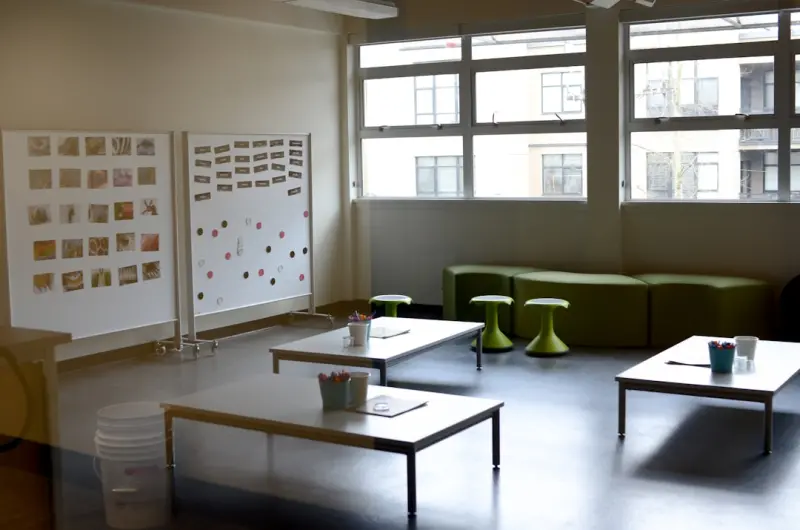
Designing Spaces That Feel: A Sensory‑First Approach to Interior Design
A deep dive into sensory‑first interior design, showing how intentional lighting, soundscapes, tex... Read More
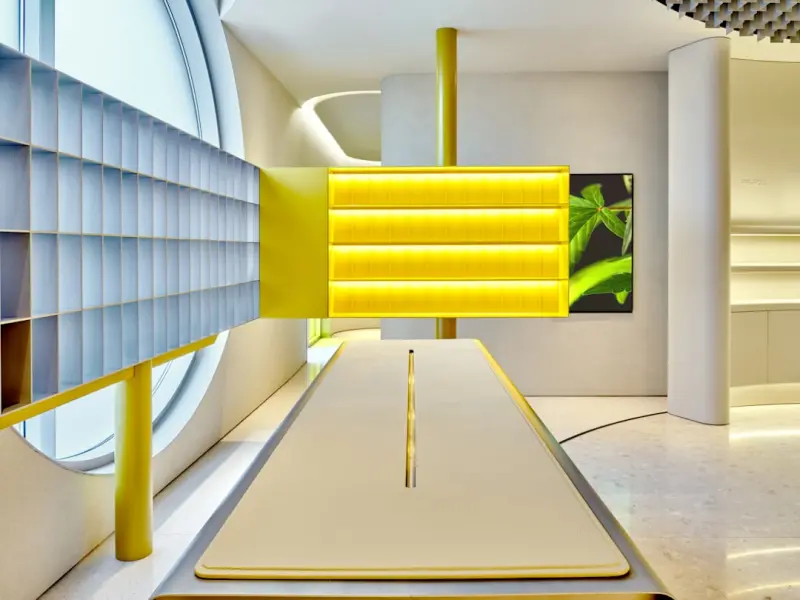
Designing for the Senses: A New Frontier in Interior Spaces
A deep dive into sensory-driven interior design, revealing how sight, sound, touch, smell, and taste... Read More
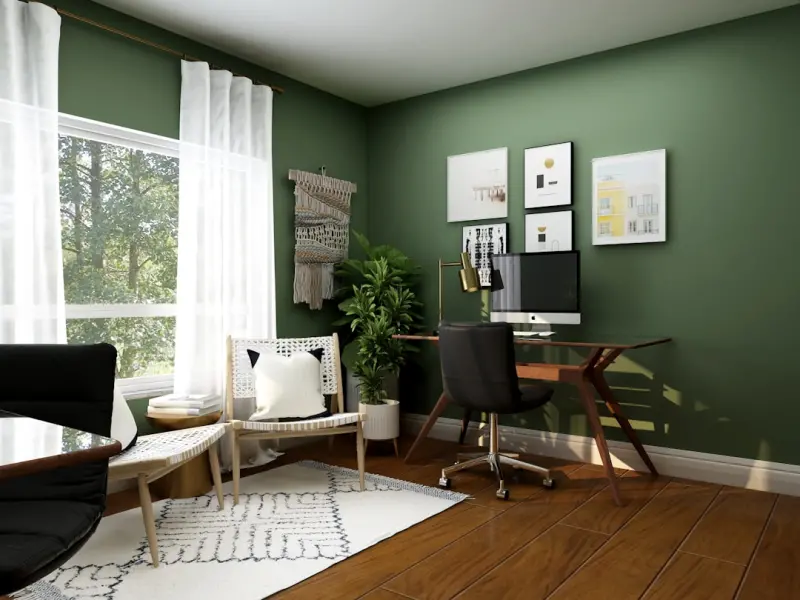
The Hybrid Home Office: Designing Spaces that Flex with Your Work Rhythm
Discover the core principles of modular furniture, acoustic zoning, adaptive lighting, sustainable m... Read More
Top Posts

Why a Virtual Private Server Is the Unsung Hero of Modern B2B Innovation
A deep dive into the strategic advantages of Virtual Private Servers, showing how they can power low‑latency APIs, secure staging, AI experimentation, and Dev...Read More

The Intersection of Travel and Sustainable Living: A Guide to Eco-Friendly Travel
Traveling sustainably is not just about reducing our carbon footprint; it's also about preserving the cultural and natural heritage of the places we visit. Lear...Read More

Remodeling Memory: The Integrated Transformation of Dementia Research and Care
Dementia, a constellation of progressive neurological conditions characterized by cognitive decline and functional impairment, represents one of the most formid...Read More

The Multimodal Edge: How Google Gemini Is Redefining B2B SaaS Experiences
Google Gemini’s multimodal capabilities are reshaping B2B SaaS by merging text, images, and video into seamless interactions, offering faster insights, richer...Read More
0 Comments
Post Comment
You will need to Login or Register to comment on this post!