
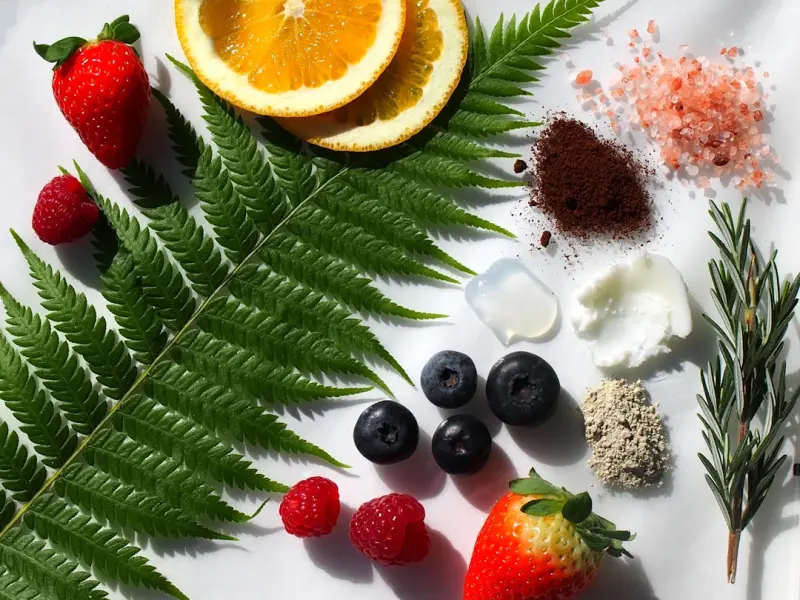
Why Ingredient Transparency Matters More Than Ever
In the past few years, the conversation around beauty has shifted from “what looks good on you?” to “what’s actually inside the product you’re putting on your skin?” This subtle yet powerful pivot is driven by a new generation of consumers who demand honesty, scientific backing, and ethical sourcing. They’re scrolling past glossy ads, reading every line of the ingredient list, and demanding that brands explain why each component matters. This movement isn’t a passing fad; it’s a fundamental change in how we define beauty itself.
The Roots of the Transparency Movement
Transparency in beauty didn’t appear overnight. It grew out of three intersecting forces:
- Social media activism – Platforms like Instagram and TikTok have given everyday users a megaphone. A single post exposing a controversial ingredient can spark a global conversation in minutes.
- Scientific literacy – Access to free online courses and reputable sources has empowered consumers to understand terms like “parabens,” “phthalates,” and “niacinamide.”
- Regulatory pressure – Governments worldwide are tightening labeling standards, forcing brands to be more explicit about sourcing, manufacturing processes, and safety testing.
The combined effect? A marketplace where opacity is penalized, and clarity is rewarded.
What Consumers Are Actually Looking For
When you ask a shopper to pick a new serum, the decision matrix now includes more than texture, scent, and price. Here’s a snapshot of the top criteria:
- Full ingredient disclosure – No vague “proprietary blend” language. Every component, from the active to the filler, should be listed.
- Source origin – Is the hyaluronic acid plant‑derived or animal‑based? Are the pigments synthetic or mineral?
- Safety data – Links to peer‑reviewed studies, third‑party testing results, or clear risk assessments.
- Environmental impact – Carbon footprint, biodegradable packaging, and cruelty‑free certification.
- Social responsibility – Fair‑trade sourcing, community reinvestment, and transparent supply chains.
Brands that can answer these points confidently are not just selling a product; they’re selling trust.
How Brands Are Responding: From Tokenism to True Openness
Some companies have taken the easy route: a short note on the back of the box that says “We care about your skin.” Others have embraced radical transparency, publishing full supply‑chain maps, third‑party lab reports, and even the raw data behind their formulations. Below are three strategies that differentiate the leaders from the followers:
1. Ingredient Storytelling
Instead of a dry list, brands are turning each component into a mini‑story. Think of it as a narrative that explains why a particular botanical extract is harvested at a specific time of year, or how a peptide was engineered in a lab to mimic the skin’s natural repair mechanisms. This approach not only educates but also creates an emotional connection.
2. Open‑Source Formulations
A few pioneering brands have made their entire formulation process public, inviting chemists and enthusiasts to suggest improvements. This crowdsourced R&D model creates a community of advocates who feel personally invested in the product’s success.
3. Real‑Time Transparency Dashboards
Imagine a QR code on the packaging that, when scanned, launches a live dashboard showing the product’s batch number, manufacturing date, lab test results, and even the geographic coordinates of the raw material farms. This level of granularity is turning the traditional “ingredients panel” into an interactive experience.
Practical Tips for Consumers: Navigating the New Landscape
Even with brands stepping up, the onus still falls on the shopper to be vigilant. Here are five actionable steps you can take the next time you’re in the aisle or scrolling online:
- Read beyond the marketing copy. Look for a complete INCI (International Nomenclature of Cosmetic Ingredients) list and cross‑reference unfamiliar terms.
- Use reputable databases. Websites like EWG Skin Deep or CosmeticsInfo.org provide safety ratings and ingredient breakdowns.
- Ask for the science. Brands that are serious about transparency will gladly share study links or third‑party test certificates upon request.
- Check the supply chain. If a product claims “sustainably sourced,” verify the certification bodies behind that claim.
- Start small. Introduce one new product at a time and monitor how your skin reacts. This minimizes risk and gives you clear data on what works for you.
Case Study: A Brand That Turned Transparency Into a Competitive Edge
One emerging clean‑beauty line launched a organic narrative ecosystem around its flagship moisturizer. Instead of a static product page, the brand built an interactive web experience where users could:
- Explore a 3‑D map of the ingredient farms in real time.
- Watch short videos of the chemists explaining the role of each molecule.
- Read peer‑reviewed articles linked directly to each active ingredient.
The result? A 45% increase in conversion rates within three months, and a surge of user‑generated content praising the brand’s honesty. The lesson is clear: transparency isn’t just a compliance checkbox; it’s a powerful storytelling tool that can drive growth.
Technology’s Role in Amplifying Transparency
While the human element—honesty, storytelling, community—remains central, technology is the catalyst that makes large‑scale transparency feasible. From blockchain‑based supply‑chain tracking to AI‑driven ingredient analysis, the tools are evolving rapidly.
For example, a recent context‑aware technology shaping experiences demonstrated how real‑time data can alert consumers if a batch contains a newly flagged allergen, prompting instant product recalls before any damage occurs. Similarly, platforms that transform long reads into bite‑size insights are being repurposed for beauty education, delivering quick, digestible safety briefs directly to a shopper’s phone.
The Future: From Transparency to Co‑Creation
We’re on the cusp of a paradigm shift where consumers will not only demand to know what’s inside a product but will actively participate in shaping its formulation. Imagine a future where you:
- Log your skin’s unique microbiome profile into a brand’s app.
- Receive a custom‑blended serum recipe, complete with a QR‑code that verifies each ingredient’s source.
- Participate in a community forum where other users share results, prompting the brand to tweak the formula in real time.
This co‑creative loop transforms the traditional one‑way transaction into a partnership, aligning brand success directly with consumer well‑being.
Wrapping Up: Transparency Is the New Luxury
Luxury has always been about exclusivity and quality. In today’s beauty world, the ultimate luxury is knowing exactly what you’re putting on your skin and why it matters. Brands that embrace full disclosure, leverage technology for real‑time data, and invite consumers into the creation process will not only survive—they’ll thrive.
So the next time you reach for that sleek bottle on the shelf, pause. Scan the QR code, read the story behind each molecule, and decide whether the brand’s transparency aligns with your values. In a market flooded with promises, authenticity is the most compelling ingredient of all.

Steph Sanderson is a Toronto-based freelance writer and content creator with a clear passion: crafting compelling articles. With a dedication to clear, engaging prose and a knack for storytelling, Steph brings a wealth of experience to every project.
Related Posts

Beyond the Mirror: How AR and AI are Redefining Beauty Rituals
A deep dive into how AR try‑ons and AI skin coaches are revolutionizing the beauty industry, reduc... Read More
Nurturing the Skin Microbiome: Sustainable Beauty Choices for the Modern Consumer
Explore how caring for your skin’s microbiome, choosing eco‑friendly packaging, and leveraging A... Read More
Nose Filler Glow Up Trend, Sculpt Your Profile Instantly
In the contemporary landscape of aesthetic medicine, the paradigm of facial rejuvenation has shifted... Read More
Top Posts

Holistic Health Hacks for the Modern Lifestyle
Explore a holistic approach to health that merges smart home tech, mindful nutrition, micro‑workouts, and community support for sustainable, everyday wellness...Read More
Breville Juicer and what I like about it?
In an era increasingly defined by a conscious pursuit of well-being, the art of juicing has transcended a mere trend to become a cornerstone of many individuals...Read More
Semantic SEO: Building an Entity‑First Strategy for B2B Growth
Learn why focusing on entities—not just keywords—can transform your B2B SaaS SEO, with practical tactics, community integration, and a 30‑day action plan....Read More
Why LinkedIn Is the Secret Weapon for B2B SaaS Growth
LinkedIn isn’t just a digital résumé—it’s a living ecosystem where employee advocacy, data‑driven content, and micro‑communities combine to create a...Read More
0 Comments
Post Comment
You will need to Login or Register to comment on this post!