
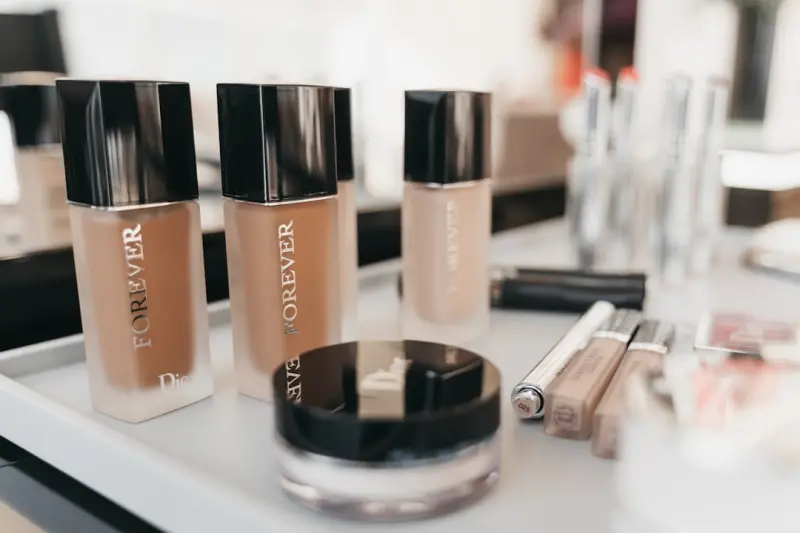
Why I Switched to a Skin‑First Philosophy
When I first stepped into the world of beauty, I was dazzled by the promise of instant perfection—high‑cover foundations, glittering highlighters, and the myth that a flawless canvas could be conjured in seconds. Over time, the relentless pursuit of a mask‑like finish left my skin feeling tight, reactive, and, frankly, exhausted. I started asking myself why I was treating my skin as a backdrop rather than the star of the show, and that curiosity sparked a complete overhaul of my routine. By shifting my focus to nurturing the skin barrier first, I discovered that true radiance isn’t about hiding imperfections but about amplifying the natural glow that already exists. This mindset not only improved my complexion but also reshaped my relationship with makeup, turning it from a covering ritual into a celebratory act of self‑care. In the pages that follow, I’ll share the science, the products, and the mindset shifts that helped me build a flawless base without sacrificing skin health.
Understanding the Skin Barrier: The Unsung Hero of Beauty
The skin barrier, a thin but mighty layer of lipids and proteins, is the body’s first line of defense against pollutants, microbes, and dehydration. When this barrier is compromised, even the most luxurious foundation can sit unevenly, accentuate redness, and accelerate breakouts. I began treating my barrier like a delicate garden—watering it with hydration, protecting it with antioxidants, and avoiding harsh chemicals that strip away its natural oils. Studies show that a well‑maintained barrier improves product absorption, meaning you need less foundation to achieve the same coverage. This revelation prompted me to prioritize barrier‑supporting ingredients such as ceramides, niacinamide, and hyaluronic acid before any pigment ever touched my face. By reinforcing the barrier, my skin became a smoother, more receptive canvas, allowing lightweight formulas to glide on effortlessly and stay put throughout the day.
Decoding Ingredient Labels: The Power of Transparency
One of the biggest hurdles in adopting a skin‑first approach is navigating the labyrinth of ingredient lists that adorn every product. I learned to scan for red flags—alcohol denat., fragrance, and sulfates—while seeking out skin‑loving actives. For instance, a primer enriched with panthenol not only smooths texture but also promotes healing, whereas one loaded with heavy silicones may create a temporary slip that ultimately clogs pores. I now keep a cheat sheet of my go‑to ingredients: ceramides for barrier repair, zinc oxide for gentle sun protection, and botanical extracts like green tea for antioxidant defense. This habit of label literacy empowered me to curate a lineup that respects my skin’s biology while still delivering the luminous finish I crave.
Choosing the Right Base: Moisturizers, Primers, and Tinted Options
The foundation of any skin‑first routine begins with a well‑balanced moisturizer that delivers both hydration and barrier support. I favor a lightweight gel‑cream infused with niacinamide, which reduces the appearance of pores while evening out skin tone. Next comes a primer—preferably one that doubles as a barrier booster. I’ve found a silicone‑free primer with squalane to be a game‑changer, offering slip without suffocating the skin. For days when I want a hint of coverage, a tinted moisturizer with SPF becomes my go‑to, marrying sun protection, hydration, and a sheer veil of color. When full coverage is required, I reach for a buildable foundation formulated with micro‑fine pigments that sit atop, rather than into, the skin, preserving the underlying health I’ve worked to nurture.
Layering in the Correct Order: A Step‑by‑Step Blueprint
Layering might seem straightforward, but the sequence can make or break your finish. I start with a double‑cleansed face to ensure a pristine surface, followed by a toner that restores pH balance. After the toner, I apply my barrier‑supporting moisturizer, allowing it a minute to sink in before sealing the deal with primer. If I’m using a tinted moisturizer or foundation, I press it onto the skin with a damp beauty sponge, which helps blend the product into the moisturized surface without dragging. Finally, I set the look with a translucent powder only where shine threatens to appear—typically the T‑zone. This method ensures each product functions at its optimal capacity, preventing the heavy, cakey feel that plagues many conventional routines.
Tools of the Trade: Brushes, Sponges, and Sanitation
The tools you use are as crucial as the products you apply. A dense, synthetic brush works wonders for powder foundations, delivering an even, airbrushed finish without absorbing excess product. For cream or liquid formulas, I rely on a stippling sponge that distributes pigment gently, minimizing friction that can irritate a sensitized barrier. However, the most important step is cleaning. I soak my tools in a mild, fragrance‑free cleanser nightly, then air‑dry them to prevent bacterial growth. Regular sanitation not only extends the life of your tools but also safeguards your skin from hidden contaminants that could undermine the skin‑first philosophy.
Sustainable Packaging: Beauty That Doesn’t Cost the Planet
Adopting a skin‑first approach also means being mindful of the environmental impact of our beauty choices. I gravitate toward brands that offer refillable containers, biodegradable packaging, or recycled glass. These options reduce waste while often delivering concentrated formulas that last longer. Some companies even provide a take‑back program, allowing you to return empty jars for proper recycling. By supporting such initiatives, I feel my beauty routine aligns with a broader commitment to stewardship—beauty for the skin and the world alike.
Tech Meets Skincare: AI‑Driven Personalization
In today’s digital age, technology can amplify our skin‑first efforts. I recently experimented with an AI‑powered skin analysis tool that evaluates hydration levels, texture, and pigmentation from a simple selfie. The platform then recommends specific ingredients and product formulations tailored to my unique needs. This personalized approach mirrors the precision of a dermatologist’s assessment but at a fraction of the cost. For those curious about integrating tech, check out AI as Your Personal Coach for a deeper dive into how smart algorithms can fine‑tune your beauty regimen.
Building a Routine That Grows With You
Just as a well‑managed contact list can become a strategic operating system, a thoughtful beauty routine can evolve into a personalized ecosystem. I treat each product as a node in a network, ensuring they complement rather than conflict. When I travel or experience seasonal changes, I adjust the nodes—swapping a heavier cream for a lighter gel, or adding a hydrating mist to combat dry cabin air. This flexible mindset keeps my skin resilient and my look fresh. For a broader perspective on creating interconnected systems, explore Turn Your Contacts into a Strategic Operating System and see how the same principles apply to beauty.
Final Thoughts: Celebrate Your Skin, Not Its Flaws
Embracing a skin‑first philosophy isn’t about abandoning the artistry of makeup; it’s about honoring the canvas that makes the art possible. By strengthening the barrier, choosing transparent ingredients, and layering thoughtfully, you can achieve a flawless finish that feels as good as it looks. Remember, the most radiant glow comes from a place of health and confidence, not from covering up. So next time you reach for that foundation, ask yourself: am I enhancing my skin’s natural brilliance or simply masking it? The answer will guide you toward a routine that celebrates your skin’s unique story—one radiant chapter at a time.

Dale Peterson is a freelance writer with a passion for technology, travel, law and personal finance. With 10 years of experience crafting compelling and informative content, he's dedicated to delivering high-quality writing for Blogging Fusion that engages audiences and achieves specific goals.
Related Posts
The Hidden Power of the Skin Microbiome in Modern Beauty
Explore the science behind the skin microbiome, its impact on product formulation, and practical ste... Read More

Beyond the Label: Decoding Ingredient Transparency in Modern Beauty
Ingredient transparency has shifted from a niche buzzword to a decisive purchase factor, reshaping p... Read More
Nose Filler Glow Up Trend, Sculpt Your Profile Instantly
In the contemporary landscape of aesthetic medicine, the paradigm of facial rejuvenation has shifted... Read More
Top Posts

Google Gemini Unleashed: A SaaS Playbook for Multimodal Mastery
This post outlines a practical, multimodal strategy for integrating Google Gemini into SaaS operations—covering prompt engineering, stack integration, ROI mea...Read More

Beyond the Hype: Building Real‑World AI Safety into SaaS Products
AI safety isn’t a checklist; it’s a systemic discipline. This post outlines a three‑pillar approach—robust data governance, transparent model operations...Read More

When Scammers Crash the SaaS Party: Unmasking the Tactics That Slip Through Your Firewall
Scammers have learned the language of SaaS, from AI‑generated video pitches to SEO hijacking. This article breaks down their tactics, offers real‑world exam...Read More

Beyond the Dashboard: Building a Next‑Gen Digital Marketing Toolbox
Discover a fresh approach to digital marketing tools that focuses on real‑time intent signals, modular personalization engines, and revenue‑centric attribut...Read More
0 Comments
Post Comment
You will need to Login or Register to comment on this post!