
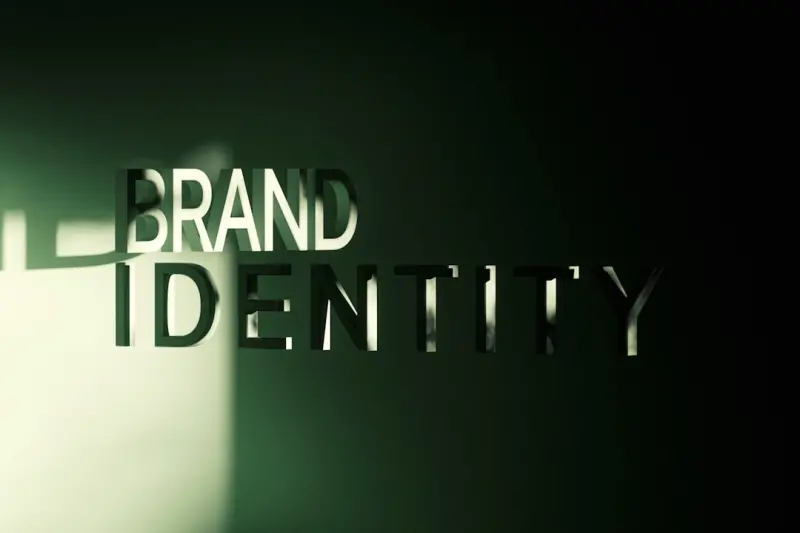
When I first stepped into a boutique that boasted “clean, cruelty‑free, and completely transparent” on its signage, I expected a minimalist shelf of pastel‑hued bottles and a glossy brochure. What I found was a whole new conversation—a dialogue between the brand and the consumer that goes far beyond scent or shade. In the beauty and cosmetics world, ingredient transparency has moved from a niche buzzword to a decisive purchase factor, reshaping product development, marketing, and even supply‑chain logistics.
Why Transparency Is No Longer Optional
Consumers today are armed with smartphones, social media feeds, and a relentless appetite for authenticity. A single Instagram story can spark a viral debate about a controversial ingredient, and a brand’s response—or lack thereof—can swing public sentiment overnight. This shift is not just about ethics; it’s a tangible business imperative. Brands that hide behind vague “naturally derived” claims risk alienating a growing cohort of shoppers who demand to see the full ingredient list, understand the sourcing, and know the environmental footprint of each component.
Transparency builds trust, and trust drives loyalty. When shoppers feel they can read a label like a menu, they are more likely to become repeat buyers, recommend the product to friends, and engage with the brand on multiple platforms. In an industry where product cycles are short and trends evolve rapidly, cultivating that deep, data‑driven relationship can be the difference between a fleeting fad and a lasting legacy.
Decoding the Label: What Consumers Really Want to See
Let’s break down the three layers of information that modern beauty enthusiasts expect:
- Full Ingredient Disclosure: No more “proprietary blend” excuses. Shoppers want every component listed in INCI (International Nomenclature of Cosmetic Ingredients) format, complete with percentages where possible.
- Source & Sustainability Details: Where did the hyaluronic acid come from? Was the shea butter harvested using fair‑trade practices? Is the packaging recyclable or made from post‑consumer waste?
- Safety & Efficacy Evidence: Clinical trial data, dermatological testing, and independent third‑party certifications (e.g., USDA Organic, Ecocert) give shoppers confidence that the product not only is safe but also delivers on its promises.
When brands provide this depth of information, they’re not just selling a product—they’re offering a story, a promise, and a measurable proof point.
The Role of Technology in Delivering Transparency
Achieving ingredient transparency at scale requires more than a pretty label; it calls for robust digital infrastructure. Many forward‑thinking beauty brands are turning to headless content management systems to power their websites and mobile apps, ensuring that every ingredient detail is instantly available across channels.
For example, Unlocking WordPress as a Headless Content Engine for SaaS Growth showcases how a decoupled architecture can serve up real‑time ingredient data, dynamic sourcing maps, and interactive sustainability dashboards without slowing down the user experience. This approach lets marketers push updates instantly—crucial when a new batch of ingredients arrives or when regulatory guidelines shift.
Beyond content delivery, modular plug‑in ecosystems allow brands to add specialized features like AI‑driven ingredient safety checks, barcode scanners for on‑the‑go verification, or AR tools that overlay sustainability scores onto product images. discover how plugins power flexible e‑commerce and empower beauty brands to iterate quickly while maintaining data integrity.
From Ingredient Sourcing to Shelf: Mapping the Transparency Journey
Transparency isn’t just a front‑end display; it’s a full‑cycle commitment:
- Supplier Vetting: Brands must audit raw material suppliers, ensuring they meet ethical, environmental, and safety standards. Blockchain can provide an immutable ledger of each ingredient’s origin.
- Formulation Documentation: Every batch’s formulation sheet should be archived and made accessible to compliance teams and, where appropriate, to consumers.
- Testing & Certification: Independent labs conduct toxicity, allergenicity, and stability tests. Results are published alongside the product page.
- Packaging Transparency: Clearly label recyclability, post‑consumer content percentages, and end‑of‑life disposal instructions.
- Consumer Education: Blog posts, video tutorials, and interactive Q&A sessions demystify complex scientific terms and help shoppers make informed choices.
By mapping each step, brands can pinpoint bottlenecks, improve communication, and showcase their dedication to openness.
Consumer Psychology: Why the “Clean” Label Resonates
Human brains are wired to avoid potential threats—a principle known as the “negativity bias.” In the context of cosmetics, unknown or potentially harmful ingredients trigger a subconscious alarm. Transparent labeling reduces that perceived threat, allowing the consumer’s desire for beauty to take the forefront.
Moreover, the rise of “beauty influencers” has turned personal experience into social proof. When an influencer shares a detailed breakdown of a product’s components, it validates the brand’s transparency claim and amplifies reach. Brands that equip their partners with thorough ingredient dossiers empower them to create authentic, data‑rich content that resonates with followers.
Case Study: A Mid‑Size Skincare Brand’s Transparency Overhaul
Consider the journey of Pure Radiance Labs, a boutique skincare line that struggled with stagnant sales despite a loyal niche audience. Their initial packaging listed only the top three actives, leaving the rest hidden under “proprietary blend.” After conducting a consumer sentiment analysis, they discovered a 68% demand for full ingredient disclosure.
The brand took a three‑phase approach:
- Phase 1 – Data Consolidation: They partnered with a supply‑chain analytics firm to compile a master ingredient database, tagging each entry with source, concentration, and safety data.
- Phase 2 – Digital Integration: Leveraging a headless CMS, they built an interactive ingredient explorer on their site, allowing shoppers to click any ingredient for a pop‑up card detailing origin, benefits, and any known sensitivities.
- Phase 3 – Marketing Realignment: They launched a “Know What You Apply” campaign, featuring short video snippets of chemists discussing each key ingredient. Social media posts highlighted the sustainability of their packaging, linking back to the transparency hub.
Within six months, Pure Radiance Labs saw a 42% increase in conversion rates and a 28% rise in repeat purchase frequency. The data reinforced that transparency, when executed thoughtfully, can be a potent growth lever.
Balancing Transparency with Competitive Edge
One concern brands often voice is the fear of revealing trade secrets. While full ingredient disclosure is increasingly expected, there are legitimate reasons to protect proprietary formulations. The key is striking a balance:
- Transparency Zones: Publicly share all ingredients up to a certain concentration (e.g., 1% and above) while keeping the exact percentages of minor components confidential.
- Third‑Party Verification: Use independent labs to certify that undisclosed components meet safety standards without revealing their identities.
- Storytelling Over Secrets: Emphasize the benefits and sourcing narratives rather than the exact formulation ratios. Consumers often care more about “why” an ingredient is used than “how much.”
Regulatory Landscape: Navigating Global Standards
Transparency must align with regulatory requirements, which differ by region. In the EU, the Cosmetics Regulation mandates full INCI labeling, while the U.S. FDA focuses more on safety reporting than ingredient disclosure. Brands looking to operate internationally should adopt a “global‑first” labeling strategy—starting with the most stringent standards and adapting locally where needed.
Emerging regulations, such as the EU’s “Cosmetics Regulation 2023/XXXX,” introduce mandatory sustainability disclosures, including carbon footprints per product. Forward‑thinking brands are already building these metrics into their product development cycles, turning compliance into a differentiator.
Future Trends: What’s Next for Ingredient Transparency?
Three developments are poised to accelerate the transparency movement:
- Real‑Time Blockchain Traceability: Consumers could scan a QR code and instantly see a tamper‑proof ledger of each ingredient’s journey—from farm to factory.
- AI‑Driven Ingredient Matching: Personalized beauty apps will recommend products based on a user’s skin profile, allergy history, and sustainability preferences, pulling data from transparent ingredient databases.
- Zero‑Waste, Circular Formulations: Brands will disclose not only ingredients but also end‑of‑life plans, such as biodegradable packaging and ingredient recyclability, closing the product loop.
These innovations will blur the lines between product and data, making transparency an integral part of the consumer experience rather than a peripheral add‑on.
Practical Steps for Brands Ready to Go Transparent
If you’re a beauty brand considering a transparency overhaul, here’s a concise roadmap:
- Audit Your Current Labels: Identify gaps between what’s currently disclosed and what consumers expect.
- Invest in a Scalable CMS: Choose a platform that can handle dynamic ingredient data across multiple locales.
- Partner With Certified Labs: Ensure all safety data is third‑party validated and publicly accessible.
- Educate Internally: Align product, marketing, and compliance teams around a unified transparency narrative.
- Launch Incrementally: Start with hero products, gather feedback, and expand the approach brand‑wide.
Remember, transparency is a journey, not a destination. Each step builds credibility and deepens the bond with your audience.
Conclusion: Transparency as a Competitive Advantage
In the beauty and cosmetics arena, the most powerful differentiator is no longer a dazzling ad campaign or a celebrity endorsement—it’s the unvarnished truth about what’s inside the bottle. By embracing full ingredient transparency, brands not only meet the rising expectations of informed consumers but also unlock new avenues for trust, loyalty, and sustainable growth. The future of beauty is clear, literal, and beautifully transparent.

Ryan Stuart is a seasoned freelance features writer, editor, and professional photographer with a passion for exploring the world and capturing its beauty through words and images.
Related Posts

Embracing the Sprint: A Fast‑Paced Beauty Routine for the Modern Muse
A fresh take on beauty: blend speed, sustainability, and digital tools to create a radiant routine t... Read More
Nurturing the Skin Microbiome: Sustainable Beauty Choices for the Modern Consumer
Explore how caring for your skin’s microbiome, choosing eco‑friendly packaging, and leveraging A... Read More
The Rise of Clean Beauty: How Slow Living Fuels Radiant Skin
Explore how slow living principles transform clean beauty routines, emphasizing transparency, mindfu... Read More
Top Posts

Navigating the Legal Labyrinth of SaaS Subscription Agreements
A deep dive into the often‑overlooked legal challenges of SaaS subscription agreements, from data‑privacy compliance to jurisdictional nuances, offering act...Read More
Australia's Social Media Ban, Spotify Adds New Feature and More
In recent weeks, the world of social media and online entertainment has witnessed a series of significant developments that are poised to have far-reaching cons...Read More

From Window Shopping to Wallets: Redefining Retail with Real‑Time Experience Design
A deep dive into turning instant shopper intent into lasting loyalty through real‑time personalization, transparent sustainability, and seamless omnichannel e...Read More

Why Voice-First Mobile Apps Are Redefining User Engagement
Explore the rise of voice‑first mobile apps, their design challenges, privacy considerations, and the business upside that makes them a must‑have for modern...Read More
0 Comments
Post Comment
You will need to Login or Register to comment on this post!