
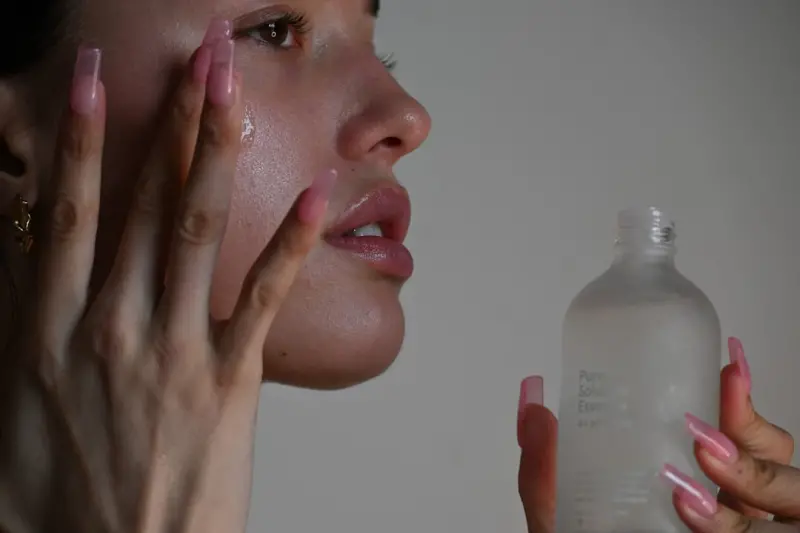
When I first walked into a boutique lab in downtown Portland, I was greeted by rows of glass vials, each labeled with a single ingredient—some familiar, most not. The founder, a chemist turned brand strategist, handed me a tiny bottle of “squalane” and asked, “Do you know what that is?” I shook my head, and that moment sparked a revelation: beauty lovers are no longer satisfied with mystery. They crave the story behind every drop.
The Consumer’s New Mandate: Know What’s Inside
In the past, the allure of a product often hinged on its fragrance, the sheen of its packaging, or the promise of instant results. Today, the conversation has shifted from “what does it do?” to “what is it made of?” Shoppers are scanning ingredient lists like they would a nutrition label on a cereal box. They ask, “Is this cruelty‑free? Is it sustainable? Does it contain any hidden irritants?” The answer to these questions can make or break a brand.
Social media platforms have turned into de‑facto research labs. A single TikTok video dissecting the benefits of “niacinamide” can generate thousands of comments demanding the full ingredient breakdown. Influencers now often include a “ingredients spotlight” segment in their reviews, and they receive immediate feedback when they omit crucial details. The result? A marketplace where transparency isn’t just appreciated—it’s expected.
Why Ingredient Transparency Is No Longer a Nice‑to‑Have
Three forces are converging to make transparency a non‑negotiable pillar of modern beauty brands:
- Regulatory pressure. Governments worldwide are tightening labeling requirements, mandating the disclosure of potentially harmful substances like parabens, phthalates, and certain synthetic fragrances.
- Consumer activism. The rise of “clean beauty” communities has created a vocal cohort that calls out green‑washing and demands proof.
- Technology empowerment. Apps that scan barcodes and decode ingredient lists empower shoppers to make instant, informed decisions.
When these forces align, the result is a market where brands that hide behind vague terminology quickly lose trust.
Decoding the Jargon: From “Botanical Extract” to Real‑World Benefits
One of the biggest hurdles for consumers is the language itself. Terms like “botanical extract” or “plant‑based complex” sound appealing but can mask the concentration, source, and efficacy of the component. Brands that take the time to break down these terms into digestible, science‑backed explanations stand out.
For instance, instead of a generic “rose extract,” a brand could explain that “rose water, sourced from sustainably farmed Bulgarian roses, retains 98% of its natural polyphenols, delivering antioxidant protection and soothing inflammation.” This level of detail transforms a marketing claim into a credible promise.
Building Trust Through Storytelling
Transparency isn’t just about listing ingredients; it’s about weaving those ingredients into a narrative that resonates. Consumers want to know where the raw materials are harvested, how they’re processed, and why they were chosen over alternatives. Sharing stories of small‑scale farmers, fair‑trade certifications, and low‑impact extraction methods humanizes the product and creates an emotional bond.
Consider a brand that sources how tech is reshaping beauty education in remote villages. By highlighting a partnership with a cooperative that uses solar‑powered distillation, the brand not only demonstrates sustainability but also supports community empowerment. This narrative transforms a simple moisturizer into a catalyst for positive change.
Practical Steps for Brands to Elevate Transparency
Here’s a roadmap for beauty companies ready to embrace the new era of openness:
- Audit your formulations. Conduct a comprehensive review of every ingredient, noting source, purpose, and any known controversies.
- Adopt plain‑language labeling. Replace cryptic INCI names with consumer‑friendly descriptors alongside the scientific term (e.g., “Vitamin C (L‑ascorbic acid)”).
- Leverage digital platforms. Create an interactive ingredient hub on your website where users can click each component to learn about benefits, safety data, and sourcing.
- Invite third‑party verification. Certifications from recognized bodies (e.g., ECOCERT, Leaping Bunny) add credibility.
- Encourage community dialogue. Host Q&A sessions, live demos, and behind‑the‑scenes tours that let consumers ask direct questions.
Implementing these steps not only satisfies consumer demand but also future‑proofs the brand against emerging regulations.
Case Study: A Brand That Turned Transparency Into a Growth Engine
When the boutique skincare line Luminara launched its “Open Lab” initiative, it invited customers into its formulation process via live streams. Viewers watched the exact ratios being mixed, saw the source certificates, and could submit real‑time questions. Within six months, Luminara’s sales grew 35%, and its social sentiment shifted from “skeptical” to “enthusiastic.”
The secret? Luminara didn’t just share data; it told a story. Each ingredient was paired with a mini‑profile of the farmer who cultivated it, the sustainable practices employed, and the science behind its skin‑benefiting properties. The brand’s transparency became a differentiator, not a compliance checkbox.
Balancing Transparency with Competitive Edge
Some brands worry that revealing too much could hand over trade secrets to competitors. The key is to differentiate between proprietary technology and ingredient safety information. While the exact formulation percentages might stay confidential, the rationale for choosing each ingredient—and its sourced story—can be fully disclosed.
Moreover, the market now rewards openness. Brands that appear secretive risk being labeled “opaque” and losing consumer trust. In many cases, transparency becomes a competitive advantage that outweighs the risk of imitation.
Technology’s Role: From QR Codes to AI‑Driven Ingredient Insights
Modern tools are making ingredient transparency effortless for both brands and shoppers. QR codes on packaging can lead customers to an augmented‑reality experience that visualizes each component’s journey from farm to bottle. AI-driven platforms can parse complex ingredient databases and provide instant safety ratings.
In fact, the same AI that navigates the new search frontier for marketers can also power ingredient verification tools, flagging potential allergens and suggesting alternative formulations for brand developers. This synergy between tech and beauty creates a seamless, trustworthy consumer journey.
Looking Ahead: The Future of Clean Beauty
As the demand for transparency continues to rise, we can anticipate several trends shaping the industry:
- Ingredient traceability blockchains. Immutable ledgers will allow shoppers to verify the exact origin of each component, reducing fraud.
- Personalized ingredient dashboards. Consumers will upload skin profiles and receive customized ingredient breakdowns that match their sensitivities.
- Zero‑waste sourcing. Brands will prioritize ingredients that can be harvested without depleting ecosystems, further aligning with sustainability goals.
These innovations will reinforce the core principle that beauty is not just skin‑deep—it’s a reflection of values, ethics, and informed choice.
Conclusion: Transparency Is the New Luxury
In the world of beauty and cosmetics, luxury is no longer defined solely by opulent packaging or celebrity endorsements. True luxury now lives in the confidence a consumer feels when they know exactly what they’re applying to their skin and why it works. Brands that champion ingredient transparency will not only win loyalty—they’ll set the standard for an industry that respects both the planet and the people who use its products.
So, whether you’re a budding indie founder or an established label looking to reinvent, ask yourself: are you ready to pull back the curtain and let your ingredients tell their story?

When it comes to the world of blogging and writing, Rose DesRochers is a name that stands out. Her passion for creating quality content and connecting with her audience has made her a trusted voice in the industry. Aside from her skills as a writer and blogger, Rose is also known for her compassionate nature.
Related Posts
Beyond the Label: Decoding Ingredient Transparency in Modern Beauty
Ingredient transparency has shifted from a niche buzzword to a decisive purchase factor, reshaping p... Read More
Skin‑First Beauty: Building a Flawless Base Without Masking Your Glow
Learn how to nurture your skin barrier, choose transparent ingredients, and layer products for a rad... Read More

Why Multi‑Functional Beauty Rituals Are the Smart Choice for Busy Professionals
Multi‑functional beauty products streamline routines, offering protection, hydration, and style in... Read More
Top Posts

Best ways to Update WordPress Safely
Updating WordPress is an essential task for any website owner, as it ensures that your website remains secure and up-to-date with the latest features and functi...Read More

The VPN Panic is Only Getting Started
The Virtual Private Networks (VPNs) has reached a fever pitch, often characterized as a "VPN panic." While this alarmist framing might be sensationalist, it poi...Read More

Turning Your Home Into a Sensory Symphony
A deep dive into crafting homes that engage all senses—from acoustic panels to curated color palettes, tactile textures, and subtle tech—creating spaces tha...Read More
The Rise of Ingredient Transparency: Redefining Beauty Rituals
A deep dive into the growing demand for ingredient transparency, its impact on brand strategies, and practical steps for consumers to navigate the new beauty la...Read More
0 Comments
Post Comment
You will need to Login or Register to comment on this post!