

The SERP is Turning Smart: How AI-Generated Features Are Redefining SEO
When I first started writing about search engine optimization, the biggest “big news” I could report was the next Google algorithm update. Now, the conversation has shifted from algorithmic tweaks to an entirely new player on the stage: generative AI. From AI‑crafted answer boxes to dynamically assembled “topic clusters” that appear before you even finish typing, the Search Engine Results Page (SERP) is evolving into a living, thinking interface. In this post, I’ll walk you through the most consequential AI‑driven SERP changes, why they matter to B2B SaaS marketers, and the concrete tactics you can deploy today to stay ahead of the curve.
What AI Is Actually Doing on the SERP
Google’s Multitask Unified Model (MUM) and OpenAI‑style language models are no longer behind‑the‑scenes research projects. They are the engines powering three distinct SERP phenomena:
- AI‑Generated Answers (AGAs) – The concise, paragraph‑style snippets that answer “what is X?” without you clicking a link.
- Dynamic Topic Panels – Multi‑card clusters that combine news, videos, product listings, and even user‑generated Q&A into a single scrollable pane.
- Personalized SERP Layouts – AI tailors the order and type of results based on a user’s search history, device, and even real‑time intent signals.
Each of these features changes the classic click‑through model. If a user’s question is answered before they reach the bottom of the page, the traditional traffic‑driven funnel shrinks dramatically. That’s why the old mantra “rank #1 or #2” no longer guarantees visibility.
Why This Matters for SaaS Marketers
Most B2B SaaS companies have built their SEO strategies around product‑centric keywords – “project management software”, “CRM for small business”, and so on. AI‑generated SERP features, however, are topic‑centric. They surface content that satisfies a broader business problem rather than a single product name. In practice, this means:
- Long‑tail, problem‑focused queries gain prominence. A CIO searching “how to reduce churn in subscription models” might be shown an AI‑generated answer that pulls from multiple sources, including whitepapers, case studies, and blog posts.
- Authority signals shift from backlink count to data richness. Google now evaluates the depth of knowledge displayed in the answer box, rewarding content that cites statistics, embeds structured data, and demonstrates expertise.
- Content velocity matters more than ever. AI constantly scans the web for fresh, relevant information. Stale articles are quickly eclipsed by newer, data‑driven pieces.
If you keep optimizing the same handful of product pages, you’ll watch your click‑through rates dip as AI answers siphon away traffic. The solution is to think holistically about the problems your customers face and to structure your content so that AI can pull it into those new SERP formats.
Preparing Your Content for AI‑Generated Answers
Here are three proven tactics to make your SaaS content AI‑friendly:
- Adopt a “data‑first” storytelling approach. AI models love concrete numbers, tables, and visualizations. When you write a case study, lead with the metric (“Reduced churn by 27% in 90 days”) before diving into narrative. Use
<table>markup where appropriate to make the data machine‑readable. - Implement comprehensive structured data. Schema.org offers types for
SoftwareApplication,FAQPage, andHowTo. When you tag a guide withHowTo, you give AI a clear roadmap for extracting step‑by‑step instructions that can appear in answer boxes. - Layer your content into “knowledge hubs”. Think of each hub as a master page that aggregates related articles, videos, webinars, and downloadable assets. Use internal linking to create a dense graph that AI can navigate – the more interconnected your content, the higher the chance it gets pulled into a dynamic topic panel.
In practice, building a knowledge hub is similar to creating a plugin ecosystem for your product: you’re inviting other pieces of content to plug in, extending the functionality of the core page.
The Role of AI‑Powered Developer Tools in SEO
Just as developers are leveraging AI to accelerate code delivery, SEO specialists can use AI‑powered tools to audit and optimize content at scale. Modern platforms can scan thousands of pages, flagging missing schema, duplicate meta tags, or low‑traffic topics that still have high business intent.
One practical workflow I’ve adopted involves a two‑step loop:
- Run an AI audit that generates a “content health score” for each page, highlighting opportunities for richer data (e.g., adding
FAQschema). - Feed the audit results into a content calendar that prioritizes “quick wins” (adding a table of benchmarks) and “strategic upgrades” (building a new knowledge hub around emerging industry challenges).
This methodology mirrors the way AI‑powered developer tools streamline code reviews: they surface the most impactful changes first, letting teams focus their limited resources where they matter most.
Voice Search: The Silent Driver Behind AI SERPs
Voice assistants (Google Assistant, Alexa, Siri) are essentially front‑ends for AI‑generated answers. When a user says, “Find a tool to automate my billing,” the assistant queries Google’s AI layers and returns a concise recommendation. If your SaaS content isn’t optimized for conversational queries, you’ll be invisible in that space.
To capture voice traffic:
- Write in a natural language style. Replace “SaaS billing automation” with phrases like “how to automate billing for a small business”.
- Answer the who, what, where, when, why, how questions directly within the first 150 words.
- Use
FAQPageschema to surface Q&A pairs that voice assistants can read aloud.
Remember, voice queries tend to be longer and more specific. Targeting them can unlock a fresh source of qualified leads that traditional keyword research often overlooks.
Measuring Success in an AI‑Dominated SERP
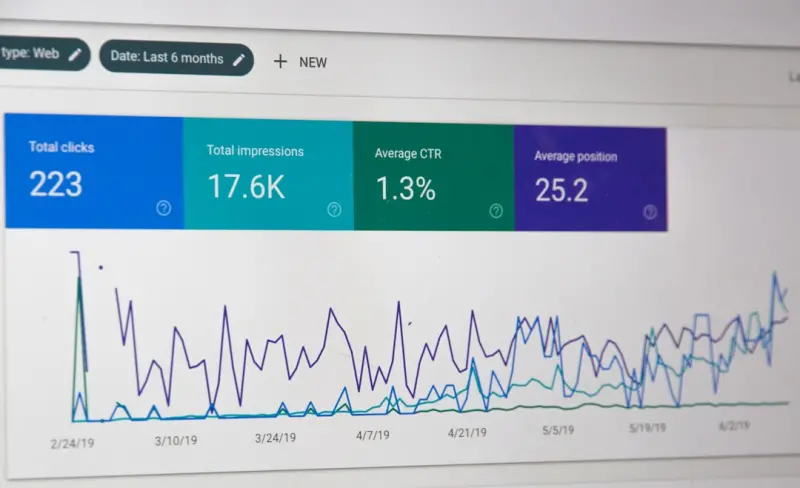
Traditional SEO metrics—organic impressions, click‑through rate (CTR), and average position—still matter, but they need to be complemented with new signals:
- Answer Box Impressions: Track how often your content is cited in AI‑generated answers. Google Search Console now provides a “Top Stories” and “Featured Snippets” report you can monitor.
- Voice Interaction Volume: Platforms like Google My Business and Amazon Alexa offer analytics on how many times your brand is spoken about.
- Engagement From Topic Panels: If a user lands on your site after clicking a “Related Topic” card, capture that as a “SERP Referral” in your analytics.
By setting up custom dimensions in Google Analytics (or your preferred analytics suite), you can attribute downstream conversions—free trial sign‑ups, demo requests, or content downloads—to these new SERP interactions. Over time, you’ll see whether AI‑driven exposure is merely brand awareness or a genuine pipeline driver.
Future‑Proofing Your SEO Playbook
AI will continue to make SERPs more dynamic. Here are three forward‑looking actions to embed into your SEO roadmap:
- Invest in “AI Readiness” audits. Conduct quarterly reviews of your content’s data density, schema completeness, and conversational alignment.
- Build “AI‑First” content assets. Instead of writing a blog post first, start with a data set or a case study template that AI can directly ingest. Publish the raw data alongside the narrative.
- Partner with product teams on “search‑driven features”. If your SaaS roadmap includes a new analytics dashboard, consider how the feature could surface in a “How to use X for Y” answer box as soon as it launches.
By treating AI as a co‑author rather than a competitor, you’ll turn the SERP from a traffic bottleneck into a discovery engine that feeds qualified prospects directly into your funnel.
Takeaway Checklist
- Audit existing content for data richness and structured data.
- Identify high‑intent conversational queries and create dedicated FAQ pages.
- Implement
HowToandFAQPageschema on all relevant assets. - Leverage AI‑powered SEO tools for ongoing content health monitoring.
- Track new SERP signals (answer boxes, voice interactions, topic panel clicks).
- Iterate quarterly, aligning SEO goals with product launches and data releases.
SEO isn’t dying; it’s simply learning to speak a new language. The smarter we become at feeding AI the right signals, the more visible we’ll be when the next “search answer” appears on a busy executive’s screen. Embrace the change, and let the AI‑enhanced SERP work for you.

Amanda is a passionate writer exploring a kaleidoscope of topics from lifestyle to travel and everything in between.
Related Posts
Semantic Search & Entity Graphs: The Next SEO Frontier for SaaS
Semantic search is redefining how search engines interpret SaaS products. This post breaks down enti... Read More

When Search Becomes a Conversation: The Era of Intent‑First Optimization
Search engines have evolved from keyword matchers to intent interpreters. This post explores the shi... Read More

Privacy‑First SEO: Thriving in a Cookieless World
Discover practical, privacy‑first SEO tactics that boost rankings without relying on third‑party... Read More
Top Posts

Designing a Sensory Wedding: How to Engage All Five Senses for an Unforgettable Celebration
Discover the art of a sensory wedding, where fragrance, lighting, sound, flavor, and texture blend to create an unforgettable celebration that resonates long af...Read More

Home Improvements in 2024: Steph Sanderson’s Fresh Take on Sustainable, Smart, and Stylish Upgrades
Steph Sanderson shares a fresh, personal guide to 2024 home upgrades, blending sustainability, smart tech, and style for a space that truly feels like home....Read More

Eco‑Friendly SaaS: Building a Greener Software Stack
A practical guide for SaaS leaders on adopting eco‑friendly infrastructure, from efficient cloud usage to sustainable development practices, showing real‑wo...Read More

Why Your Vacation Rental Needs a Direct Booking Website
In an industry that once relied almost entirely on third‑party platforms, the balance of power is shifting. Travelers now expect seamless, personalized experi...Read More
0 Comments
Post Comment
You will need to Login or Register to comment on this post!