

Visual Search Is Redefining How We Rank and Get Discovered
Imagine a user pointing their phone at a sneaker, snapping a photo, and instantly receiving a list of retailers that sell the exact model. That scenario is no longer a futuristic demo; it’s becoming a daily habit for millions of shoppers worldwide, and search engines are rapidly adapting to index and rank visual content the same way they do text. As Google’s edge‑first development initiatives push processing closer to the user, image‑based queries are answered in milliseconds, forcing marketers to rethink the very foundation of SEO. The ripple effect is profound: traditional keyword‑centric strategies must now incorporate visual signals, metadata, and context to stay competitive, or risk being invisible in a world where a picture truly is worth a thousand clicks.
The Data Behind the Surge: Why Visual Search Is Not a Niche
Recent industry reports indicate that visual search queries have grown by double digits year over year, with platforms like Pinterest reporting a 30% increase in image‑driven searches alone. Mobile users are leading the charge, as 70% of smartphone owners admit they’d rather snap a photo than type a description, especially when searching for fashion, home décor, or food items. Moreover, e‑commerce conversion rates for visual search referrals are consistently higher than text‑based referrals, often exceeding 20% versus the average 2‑3% for standard organic traffic. These numbers aren’t just hype; they signal a shift in user behavior that SEO professionals can no longer afford to ignore.
From Keywords to Visual Cues: Rethinking Keyword Research
Traditional keyword research tools still focus on text strings, but the rise of visual search demands a new approach that blends semantic image concepts with search intent. Instead of asking “what are the best running shoes?” you now ask “what does a runner’s shoe look like?” This change forces marketers to explore image clusters, color palettes, and object attributes that users might capture in a photo. Tools that analyze image popularity on platforms like Instagram can reveal which visual elements are trending, providing a fresh source of insight for content planning. Ignoring this evolution is akin to writing a novel without a cover; the visual hook is now the first point of discovery. For a deeper dive into how search intent is already shifting, see our discussion on zero‑click search and its impact on SERP dynamics.
Technical Foundations: Optimizing Images for Search Engines
To earn visibility in visual search results, images must be technically pristine. This starts with choosing the right file format—WebP or AVIF for modern browsers—to balance quality and load speed, followed by compressing files without sacrificing visual fidelity. Alt text remains essential, but it now needs to describe the visual content in a way that aligns with user intent, using descriptive phrases rather than generic placeholders. Implementing structured data such as ImageObject schema provides search engines with explicit context about the image, including licensing, creator, and dimensions, which can boost eligibility for rich visual cards. Additionally, creating image sitemaps and ensuring that images are accessible to crawlers—by avoiding lazy‑load scripts that block bots—helps guarantee that your visual assets are indexed promptly.
The Role of AI-Powered Image Recognition in SEO
Artificial intelligence is the engine behind modern visual search, with deep‑learning models capable of identifying objects, scenes, and even nuanced attributes like texture or mood. These models continuously learn from billions of images, refining their ability to match a user’s photo with relevant results. For SEO practitioners, this means that the algorithmic “understanding” of an image is far more sophisticated than simple file names or surrounding text. Leveraging AI tools that generate detailed image tags and predictive metadata can give your content an edge, ensuring that the visual signals you provide align with the search engine’s internal representations. As AI continues to improve, the line between human‑curated and algorithm‑curated visual relevance will blur, making proactive AI‑driven optimization a competitive necessity.
Shifting Content Strategies: From Blog Posts to Visual Stories
Content creators must now think in terms of visual narratives rather than just textual articles. A single blog post can be transformed into an immersive visual guide by integrating high‑quality photos, annotated diagrams, and short video loops that illustrate key concepts. This multimodal approach not only satisfies visual search algorithms but also enhances user engagement, leading to longer dwell times and lower bounce rates—signals that search engines interpret as quality. Brands should consider building visual asset libraries that can be repurposed across channels, from social media to product pages, ensuring consistency and reinforcing visual branding. By aligning storytelling with the way users naturally consume visual information, you position your site to capture both traditional and image‑based traffic streams.
Measuring Success: Metrics and Tools for Visual SEO
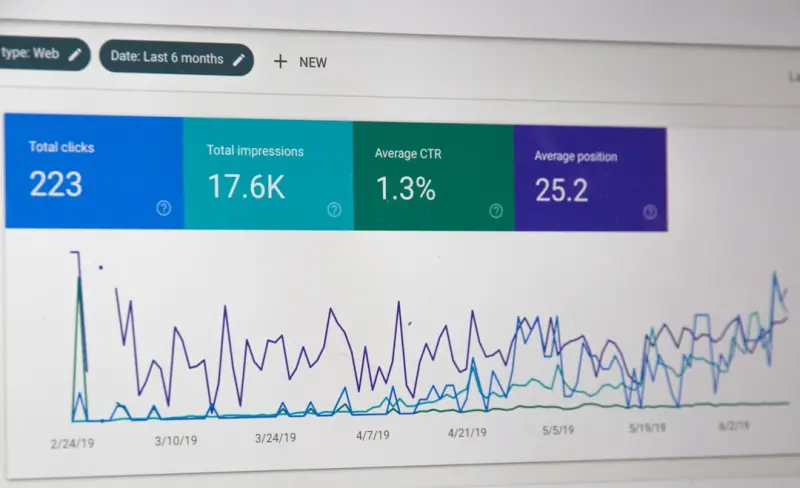
Quantifying the impact of visual search requires a blend of classic SEO metrics and visual‑specific data points. Track organic impressions and clicks generated from image carousels in search results, monitor the click‑through rate (CTR) of rich image cards, and analyze referral traffic from platforms that prioritize visual discovery, such as Pinterest and Google Lens. Tools like Google Search Console now provide an “Image” performance report, offering insights into which images are driving clicks and impressions. Additionally, heat‑mapping software can reveal how users interact with on‑page visuals, helping you refine placement and sizing for maximum impact. Combining these data sources creates a holistic view of visual SEO performance, enabling data‑driven adjustments that improve both visibility and conversion.
Future Outlook: Visual Search as a Core Pillar of SEO
Looking ahead, visual search will become as integral to SEO as text and voice. As augmented reality (AR) experiences merge with search, users will expect real‑time, context‑aware visual results that blend digital information with their physical surroundings. Brands that invest early in robust image optimization, AI‑enhanced tagging, and immersive visual storytelling will not only dominate SERPs but also build deeper connections with audiences who increasingly rely on sight to explore the web. Preparing now means future‑proofing your SEO strategy against the inevitable convergence of visual, voice, and conversational search modalities, ensuring sustained relevance in an ever‑evolving digital landscape.
Actionable Checklist: Jump‑Start Your Visual SEO Campaign
- Audit all existing images for file size, format, and descriptive alt text.
- Implement
ImageObjectschema on key visual assets. - Generate AI‑assisted tags and metadata for new images.
- Create an image sitemap and submit it via Search Console.
- Develop a visual content calendar that aligns with seasonal trends and user‑generated photo topics.
- Monitor image performance metrics weekly and iterate based on CTR and impressions.
- Experiment with AR‑ready assets to stay ahead of emerging search features.

Jimmy Anand is a content creator that gets inspired by many aspects of life, internet or whatever inspires him at that moment. When he's not online he's gaming and when he is not gaming he is online trolling discussion boards.
Related Posts

When Search Gets Smarter: Navigating the New Era of AI‑Driven SERPs
The post explores the rise of AI‑generated snippets, zero‑click search, and semantic graphs, off... Read More

SEO News Flash: 2024 Algorithm Shifts & What They Mean for You
Seth Samual breaks down this year’s biggest SEO algorithm changes, AI’s role in content, and pra... Read More
Visual Search, Voice AI, and Real‑Time SEO: The New Playbook for Rankings
Explore the latest SEO frontiers—visual search, voice AI, and real‑time optimization—and get p... Read More
Top Posts

The Future of Home Appliances: How Sustainable Living is Revolutionizing the Industry
The home appliance industry is undergoing a significant transformation, driven by growing concerns about climate change and the environment. Sustainable living ...Read More

Nurturing Tiny Explorers: A Sensory‑Rich Routine for Babies and Toddlers
A practical guide to creating portable sensory play, integrating language, and building emotional resilience for your baby and toddler—all with everyday house...Read More

Micro‑Journaling: A Simple Habit for Lasting Mental Calm
Learn the power of micro‑journaling: a quick, daily habit that captures emotions, builds self‑awareness, and strengthens mental resilience in just a few wor...Read More

Why Your Home Office Needs a Four‑Legged Co‑Founder
A pet‑friendly remote workspace isn’t just a perk—it’s a productivity booster. Learn how to design a pet‑centric office, integrate smart pet tech, and...Read More
0 Comments
Post Comment
You will need to Login or Register to comment on this post!