
Why AI‑Powered Content Evaluation Is the New Frontier in SEO
When I first heard that Google’s ranking engine was quietly learning to “grade” content the way a human editor would, my instinct was to brace for impact. The search landscape has always been a game of signals—backlinks, relevance, user experience—but the rise of sophisticated language models is turning that game into a conversation between algorithms and creators. In this post I’ll walk you through what this shift looks like, why it matters for B2B SaaS marketers, and how you can start future‑proofing your SEO strategy today.
The AI Content Evaluator: From “Helpful Content” to “Helpful Intent”
Google’s public updates have hinted at a growing emphasis on content quality that feels “human”. The recent “Helpful Content” rollout was only the tip of the iceberg. Behind the scenes, large language models (LLMs) are being trained on billions of pages, learning to recognize patterns of expertise, depth, and trustworthiness. Unlike traditional ranking factors—where a single backlink could swing a page up the SERP—these AI evaluators consider the whole narrative of a piece.
What does that mean? Think of the algorithm as a seasoned editor who asks:
- Does the article answer the real question behind the query?
- Is the information sourced from authoritative voices?
- Does the tone match the user’s intent—whether they’re researching, buying, or troubleshooting?
When the answer is “yes”, the AI rewards the page with better visibility. When the answer is “no”, the page may still rank, but it will likely sit lower behind more nuanced, intent‑aligned content.
Decoding the Signals AI Looks For
While Google doesn’t publish the exact weights, a few observable signals have emerged from search console data and real‑world testing:
- Depth of Coverage: Articles that cover a topic from multiple angles—history, use‑cases, implementation steps—tend to score higher.
- Expertise Attribution: By‑lines, author bios, and citations to reputable sources are being parsed as credibility markers.
- Semantic Cohesion: LLMs evaluate how well the content’s entities and concepts interrelate, rewarding logical flow over keyword stuffing.
- User Interaction Patterns: Dwell time, pogo‑sticking rates, and click‑through metrics are fed back into the AI model as indirect quality cues.
- Freshness vs. Authority: For rapidly evolving topics (e.g., AI regulations), timely updates matter, but they must be backed by authoritative references.
Notice anything familiar? These signals overlap with classic SEO best practices, but they’re now being judged by a machine that can read between the lines. The old “keyword density” checklist is obsolete; the new checklist is about intent alignment and evidential depth.
Practical Tactics to Align With AI Evaluation
Below are concrete steps you can take right now, without waiting for another algorithm update.
1. Conduct Intent Clustering Before You Write
Instead of targeting a single keyword, map out the family of questions users ask around that keyword. Use tools like AnswerThePublic or even the “People also ask” box to build an intent map. Then, structure your article to address each cluster—this gives the AI a richer, more comprehensive narrative.
2. Embed Author Expertise Directly Into the Content
Don’t hide your subject‑matter experts in a footer bio. Include brief, verifiable bios at the top of the article, link to their LinkedIn or published research, and sprinkle in direct quotes. When the AI sees a recognized expert’s name attached to factual statements, it interprets that as a trust signal.
3. Use Structured Data to Highlight Key Elements
Schema.org isn’t just for recipes and events. Implement FAQPage, HowTo, and Article markup to surface concise answers. These snippets can appear as rich results and give the AI an explicit signal that you’ve organized the information for quick consumption.
4. Optimize for Multimodal SERPs
Google is rolling out more visual and voice results—image carousels, video panels, and even AI‑generated answer cards. Include high‑quality images with descriptive alt text, concise video summaries, and transcriptions. This multimodal approach signals that your content can serve both text‑based and voice‑first queries.
5. Leverage Data‑Driven Insights to Iterate
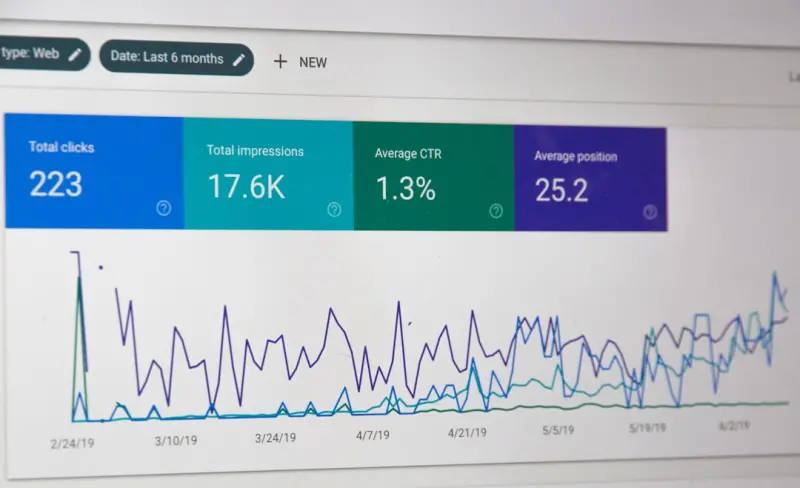
Data remains the compass. By using analytics to boost SEO performance, you can pinpoint which pages are seeing drops in dwell time or spikes in bounce rate—early warning signs that the AI evaluator isn’t happy. Combine this with search console insights to adjust on‑page elements quickly.
6. Adopt a Privacy‑First Mindset for User Trust
While not directly a ranking factor, a transparent privacy stance builds brand trust, which indirectly influences user behavior—a factor the AI watches. Consider integrating a privacy‑first marketing approach that clearly outlines data handling. When users feel safe, they’re more likely to engage deeply, sending positive signals to the algorithm.
Balancing Automation with Human Insight
It’s tempting to lean entirely on AI tools for content creation. However, the same AI that evaluates your pages can also help you draft them—leading to a paradox where you might inadvertently produce “AI‑sounding” copy that the evaluator penalizes for lacking genuine expertise. My advice:
- Use AI for research and outline generation, not for final copy.
- Always have a subject‑matter expert review for nuance, anecdotes, and real‑world examples.
- Run a manual “expert audit” before publishing: ask yourself if the piece would pass a peer review in your industry.
Preparing for the Next Wave: Generative SERPs
Google’s experiments with generative search results—where the engine synthesizes answers from multiple sources—are already live in limited formats. If your content is cited as a source in these AI‑generated answers, you’ll earn “knowledge panel” visibility that sits above traditional organic listings.
To position your pages as reference material:
- Write concise, factual statements that can be pulled as snippets.
- Maintain up‑to‑date statistics and industry benchmarks.
- Link out to primary data sources (government reports, peer‑reviewed studies) so the AI can trace the provenance.
Measuring Success in an AI‑First Era
Traditional SEO metrics—rankings, organic traffic, backlinks—still matter, but they’re now part of a broader health score. I recommend a four‑point KPI framework:
| Metric | Why It Matters |
|---|---|
| Intent Coverage Ratio | Percentage of identified user intents addressed on a page. |
| Expert Attribution Score | Number of verified author credentials per article. |
| Rich Result Impressions | How often your structured data appears in SERPs. |
| User Engagement Depth | Average scroll depth and dwell time, signaling AI satisfaction. |
Track these quarterly and adjust your content calendar accordingly. Remember: the AI evaluator is a moving target, but a focus on depth, expertise, and user intent will keep you in the sweet spot.
Final Thoughts
The AI‑driven content evaluator isn’t a villain—it’s an evolution of Google’s mission to surface the most useful answers. By treating the algorithm as a partner that values human expertise, comprehensive coverage, and transparent intent, you can turn this shift into a competitive advantage. Start with intent clustering, embed real expertise, harness structured data, and let your analytics guide iterative improvements. In doing so, you’ll not only survive the AI wave—you’ll surf it with confidence.

In the world of freelance writing, where creativity and adaptability are paramount, Michelle Fisher stands out as a dedicated and versatile professional. With a passion for crafting compelling narratives and a keen eye for detail, Michelle has established herself as a trusted voice.
Related Posts

Visual Search: The Next Frontier for SEO Success
Visual search is turning images into search gold. Learn why it matters, how to optimize, and the too... Read More

When AI Takes the Helm: SEO Strategies for the New Search Era
AI is rewriting the rules of search. Discover the rise of AI‑generated snippets, multimodal querie... Read More
Winning the Zero‑Click SERP: How B2B SaaS Brands Can Own the Answer
Zero‑click search is reshaping SEO for B2B SaaS. This guide shows how to craft concise, schema‑r... Read More
Top Posts

Skill-Based Gaming: The New Frontier of Modern Gambling
A deep dive into the rise of skill‑based gambling, examining how interactive video‑game elements are transforming casino floors, boosting engagement, and op...Read More

A Professional Guide to Comprehensive New Phone Protection
The acquisition of a new premium-tier smartphone represents a significant financial and technological investment. Modern flagship devices, characterized by expa...Read More

Beena Aquarium Decorations and Fish Food
The gentle hum of an aquarium, the graceful dance of colorful fish, and the serene beauty of an underwater landscape offer a unique blend of tranquility and vib...Read More

Wearable Tech & Digital Therapeutics: The New Health Frontier
From continuous monitoring to AI‑driven personalized care, wearables are becoming the frontline of health, enabling digital therapeutics that shift care from ...Read More
0 Comments
Post Comment
You will need to Login or Register to comment on this post!