
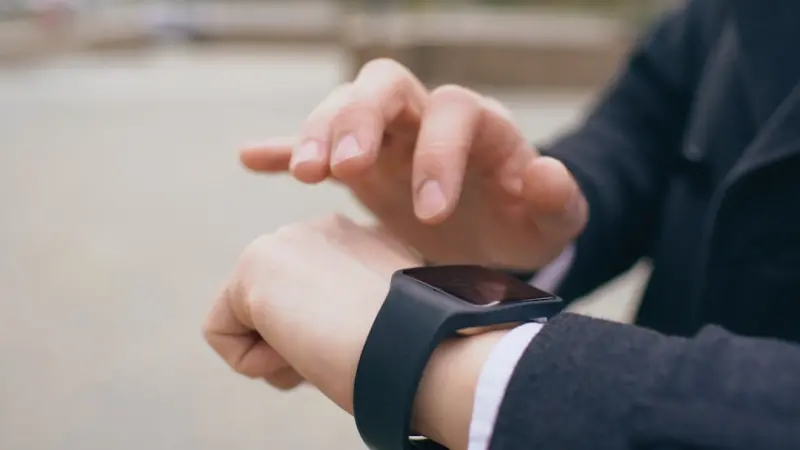
Why Your Wristwatch Might Soon Be Your Best Doctor
When I first slipped a fitness band onto my wrist, I thought it was just another gimmick—a flashy step counter that would remind me to “move more.” Fast forward a few months, and that thin slab of silicon has become the most data‑rich health partner I own. It’s not just counting steps; it’s tracking heart rhythm, blood oxygen, sleep stages, stress levels, and even detecting early signs of atrial fibrillation. In the health space, this evolution isn’t a novelty—it’s the foundation of a new preventive care model.
From Reactive to Proactive: The Digital Therapeutics Revolution
Traditional healthcare has always been reactive: you feel sick, you see a doctor, you get treatment. Digital therapeutics (DTx) flip that script. Powered by algorithms, evidence‑based interventions, and continuous data streams from wearables, DTx deliver personalized therapy right to your phone or smartwatch. Think of a cognitive‑behavioral program for anxiety that nudges you to breathe when your heart rate spikes, or a guided physical‑rehab routine that adapts in real time based on joint movement captured by sensors.
What makes DTx truly disruptive is their scalability. A therapist can only see a limited number of patients, but a well‑designed app can support thousands, all while maintaining individualized feedback loops. Insurance companies are beginning to reimburse for approved DTx programs, signaling a shift from “pill‑first” to “software‑first” treatment pathways.
The Data Highway: How Wearables Feed the DTx Engine
Every heartbeat, stride, and night of sleep becomes a data point. This continuous stream feeds machine‑learning models that refine therapeutic recommendations. For example, a user with a history of high stress might receive mindfulness prompts precisely when their wearable detects a rising cortisol proxy (like elevated skin temperature and heart rate variability drop). Over weeks, the system learns which interventions work best for that individual, creating a truly personalized health plan.
But raw data isn’t enough. Why Unplugging Together Beats Scrolling Apart reminds us that meaningful human connection still matters. The best digital health solutions blend technology with human touch—whether that’s a virtual coach, peer support groups, or scheduled check‑ins with a primary‑care provider.
Bridging the Gap: Wearables Meet Primary Care
Clinicians have long been wary of “data overload.” A single patient’s 24/7 metrics can be overwhelming without proper integration. The emerging solution? Health data platforms that aggregate wearable insights into the electronic health record (EHR) in a digestible format. These platforms use triage algorithms to flag anomalies—like an irregular heart rhythm that warrants a cardiology referral—while filtering out routine fluctuations.
In practice, this means a primary‑care physician could receive a concise dashboard: “Patient X’s average resting heart rate is 68 bpm, but a 5‑minute episode of 120 bpm was recorded last night. Recommend ECG.” The physician then decides the next step, leveraging the wearable’s early detection capabilities without drowning in raw data.
Privacy, Security, and Trust: The Non‑Negotiables
With great data comes great responsibility. Users must trust that their intimate health metrics are safe. Regulations like GDPR and HIPAA set baseline standards, but the industry is moving beyond compliance to “privacy by design.” This approach encrypts data at the sensor level, anonymizes identifiers before cloud storage, and gives users granular control over who can see what.
Transparency is also key. Companies should provide clear, plain‑language privacy policies and real‑time consent toggles. When users understand how their data fuels personalized care—and how they can opt out of specific uses—they’re more likely to stay engaged.
Beyond the Wrist: Emerging Sensors and Modalities
While wrist‑worn devices dominate today, the future promises a broader sensor ecosystem:
- Smart clothing: fabrics woven with conductive threads that monitor muscle activation, posture, and even blood glucose.
- Patch biosensors: adhesive, single‑use patches that measure electrolytes, cortisol, and lactate, providing insights for athletes and patients with chronic conditions.
- Implantable micro‑chips: tiny devices that continuously monitor internal metrics like cardiac output, communicating wirelessly with external readers.
Each modality adds a new dimension to the DTx toolbox, enabling interventions that were previously impossible outside a clinic.
Case Study: A Day in the Life of a Digital Therapeutic User
Meet Maya, a 34‑year‑old marketing manager who recently started using a digital therapeutic program for hypertension. Her wearable tracks blood pressure trends via a cuff‑less sensor that estimates arterial stiffness. Here’s how her day unfolds:
- Morning: The app suggests a 5‑minute breathing exercise after detecting a slightly elevated heart rate during her commute.
- Midday: A snack recommendation pops up when her glucose sensor (in a discreet skin patch) signals a dip, helping her avoid a sugar crash.
- Afternoon: A gentle reminder nudges her to stand and stretch after an hour of sitting, based on prolonged low movement detection.
- Evening: The platform analyses her sleep data, noting reduced REM cycles. It then offers a guided meditation series tailored to improve sleep quality.
- Weekly Review: Maya’s data syncs with her primary‑care doctor’s portal. The doctor sees a clear trend: her systolic pressure dropped by 8 mmHg over two weeks, attributing the improvement to lifestyle nudges and medication adherence.
For Maya, the wearable isn’t just a gadget; it’s an active participant in her health journey, constantly learning and adjusting.
Designing for Adoption: What Makes a Digital Health Product Stick?
Successful digital health solutions share three core attributes:
- Actionable Insights: Users need clear, immediate next steps—not just raw numbers.
- Human Touchpoints: Whether through a chatbot, live coach, or community, human interaction boosts engagement.
- Seamless Integration: The product should fit naturally into daily routines—think “one‑tap” actions and minimal friction.
These principles echo the findings in Biophilic DIY, where simple, habit‑forming changes lead to lasting wellness benefits. The same psychology applies to digital therapeutics: small, consistent nudges compound into significant health outcomes.
The Business Angle: Why Investors Are Betting on Wearables and DTx
Venture capital has poured billions into health‑tech startups, and the numbers justify the hype. The global digital therapeutics market is projected to surpass $20 billion within the next few years, driven by:
- Growing chronic disease prevalence, demanding scalable management solutions.
- Increasing consumer willingness to self‑track health metrics.
- Regulatory pathways that grant DTx products FDA clearance, adding legitimacy.
Companies that can demonstrate measurable outcomes—reduced hospital readmissions, lower medication doses, improved adherence—are attracting both private and public funding. This influx accelerates innovation, bringing us closer to a future where a smartwatch could replace the annual physical for many low‑risk individuals.
Potential Pitfalls and How to Navigate Them
While the promise is immense, there are challenges:
- Data Fatigue: Too many alerts can desensitize users. Solutions: personalized alert thresholds and adaptive frequency.
- Equity Gaps: Not everyone can afford high‑end wearables. Address this by supporting lower‑cost devices and ensuring platforms are device‑agnostic.
- Clinical Validation: Not every app is backed by rigorous trials. Prioritize products with peer‑reviewed studies and FDA clearance.
By acknowledging these hurdles early, developers and healthcare systems can build trust and foster broader adoption.
Looking Ahead: The Convergence of AI, Genomics, and Wearables
Imagine a scenario where your wearable not only tracks your vitals but also cross‑references your genetic predispositions. AI could predict your risk for conditions like Type 2 diabetes, then preemptively suggest lifestyle adjustments or enroll you in a DTx program tailored to your genotype. This triad—AI, genomics, continuous monitoring—represents the next frontier of truly personalized preventive health.
As we stand at this crossroads, the question isn’t “if” wearables will transform healthcare, but “how quickly” and “how responsibly” we can integrate them into everyday life.
Takeaway: Start Small, Think Big
For anyone curious about stepping into this ecosystem, begin with a single, reliable wearable and an evidence‑based digital therapeutic that addresses a personal health goal. Track your metrics, engage with the app’s coaching features, and share insights with your healthcare provider. Over time, you’ll experience the cumulative power of small, data‑driven actions.
In the words of a wise old saying—though not the one you’ll find in a mindfulness poster—the journey of a thousand steps begins with a single heartbeat.

Brad Hays is a freelance writer known for his versatile skill set and ability to craft compelling content across a wide range of industries.
Related Posts

Physical Therapy Guide for People Suffering from Arthritis
Arthritis, a broad term encompassing over 100 conditions, is a leading cause of pain, disability, an... Read More

Micro‑Habits for Peak Health: Small Wins, Big Impact
Micro‑habits are bite‑sized actions that fit into a packed schedule, delivering big health benef... Read More

The Connection Between Sustainable Living and Health
Sustainable living is not just about reducing our carbon footprint; it's also about promoting a heal... Read More
Top Posts

The Evolution of Search Engine Marketing: Navigating the Changing Landscape
The SEM industry has come a long way since its early days. Learn how AI, machine learning, and user experience are shaping the future of search engine marketing...Read More

Home Makeovers: Margaret Thomson’s Guide to Sustainable, Smart, and Stylish Upgrades
Margaret Thomson shares her, sustainable approach to 2024 home upgrades, blending smart tech, eco‑friendly materials, and personal flair for a home that truly...Read More

The Future of Business: How Sustainable Living is Revolutionizing the Industry
Sustainable living is revolutionizing the business industry. Learn how businesses can prioritize sustainability and stay ahead of the competition....Read More

Flavor Pairing Secrets for Home Cooks
Explore the hidden chemistry of taste, learn how to break traditional rules, and build a personal flavor library to create unforgettable dishes at home....Read More
0 Comments
Post Comment
You will need to Login or Register to comment on this post!