
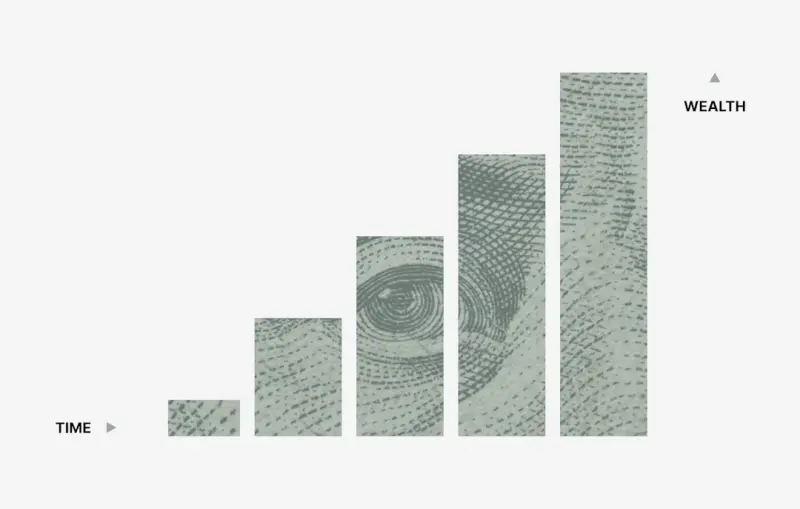
Why Tiny Wins Matter More Than Grand Plans
If you’ve ever tried a “30‑day fitness challenge” only to watch it dissolve after a week, you’re not alone. Our brains are wired to seek immediate payoff, while most health improvements demand weeks or months of consistent effort. The paradox is simple: the bigger the goal, the harder it is to sustain the momentum.
Enter micro‑habits—those bite‑sized actions you can execute in under two minutes, often without even thinking about it. Think of them as the “atomic units” of health. When stacked over weeks, months, and years, they generate a compounding effect that rivals any marathon‑length regimen.
In a world that glorifies hustle and constant output, micro‑habits provide a stealthy advantage. They slip into the gaps of a packed calendar, require minimal willpower, and—most importantly—are measurable. The result? A health trajectory that moves forward without demanding a complete lifestyle overhaul.
The Neuroscience Behind Tiny Triggers
Neuroscientists point to the dopamine loop as the engine that powers habit formation. When you complete a tiny action—like standing up to stretch for 30 seconds—your brain releases a modest dopamine hit, reinforcing the behavior. Over time, the brain starts to anticipate that reward, making the habit more automatic.
Research also highlights the “habit loop” framework: cue → routine → reward. By engineering the cue (a calendar reminder, a sticky note, or a smartwatch ping) and ensuring the reward is immediate (a feeling of lightness, a mental check‑off), you lock the loop in place.
Micro‑habits excel because they shorten the loop. The cue is clear, the routine takes seconds, and the reward is instant. This tight loop reduces the friction that typically derails larger, more complex routines.
Five Proven Micro‑Habits for Busy Professionals
- Micro‑Movement Bursts: Every hour, stand up and do three shoulder rolls, five calf raises, and a quick spinal twist. It takes under a minute, but the cumulative effect on circulation and posture is massive.
- Micro‑Breathing Reset: After each meeting, close your eyes and inhale for four counts, hold for four, exhale for six. This 30‑second reset reduces cortisol and sharpens focus.
- Micro‑Hydration Check: Keep a 250 ml glass of water at arm’s reach. Whenever you finish a task, sip. The habit pairs productivity with hydration without a dedicated “drink water” reminder.
- Micro‑Mindful Pause: Before checking email, pause for two seconds, notice your posture, and set an intention (“I’ll read quickly, respond clearly”). This tiny mental cue curtails mindless scrolling.
- Micro‑Screen‑Free Moment: After any screen interaction longer than five minutes, look away for ten seconds at something distant. It eases eye strain and restores visual acuity.
Implementing these doesn’t require a new app or a gym membership—just a few seconds of conscious intent.
Integrating Tech Without Overcomplicating
While micro‑habits are intentionally low‑tech, the right digital tools can amplify their impact. For instance, modular health extensions let you add a habit‑tracking widget to any productivity platform you already use. Imagine a tiny checkbox that appears in your project management board each time you complete a micro‑movement burst.
Another game‑changer is multi‑sensory health monitoring. Wearables that combine haptic feedback, temperature sensing, and subtle audio cues can nudge you toward a micro‑breathing reset the moment your heart rate spikes.
And for those concerned about the long‑term stewardship of health data, think beyond the immediate metrics. Your daily micro‑habit logs become part of a digital health legacy—a record you can hand off to future generations or healthcare providers, ensuring continuity of care without the need for massive data migrations.
Overcoming the “I Don’t Have Time” Objection
It’s easy to dismiss micro‑habits with the mental shortcut: “I’m already busy.” Yet the paradox is that micro‑habits save time by preventing the burnout and health setbacks that later demand hours of recovery. Here’s how to reframe the conversation:
- Anchor to Existing Routines: Pair the micro‑habit with a non‑negotiable activity (e.g., a coffee break, a commute, a software build). The habit rides the momentum of something you already do.
- Leverage Environmental Cues: Place a sticky note on your monitor that says “Breathe 2‑4‑6” or set a calendar reminder titled “Micro‑Move”. The visual cue does the mental heavy lifting.
- Celebrate Mini‑Wins: Each time you complete a habit, tick it off a visible list. The satisfaction of a growing checklist fuels the dopamine loop.
Designing Your Personal Micro‑Habit Blueprint
Start with a simple audit: for the past week, note moments when you felt a dip in energy, focus, or mood. Identify the likely triggers—long meetings, screen fatigue, skipping lunch. Then map a micro‑habit to each trigger.
Example Blueprint:
- Trigger: End of a 45‑minute video call.
Micro‑Habit: 30‑second spinal twist and a sip of water. - Trigger: Opening a new document.
Micro‑Habit: Two deep breaths, eyes focused on a distant object for 10 seconds. - Trigger: Feeling a post‑lunch slump.
Micro‑Habit: Five calf raises and a quick glance at a natural scene (photo, window view).
By aligning habits with existing cues, you sidestep the need for “extra” time and instead repurpose moments that would otherwise be neutral or draining.
The Ripple Effect: From Micro‑Habits to Macro‑Health
Science shows that small, consistent actions compound exponentially. A 2019 study in Health Psychology demonstrated that participants who added a 2‑minute daily stretch experienced a 22% reduction in musculoskeletal complaints after six months, compared to a control group.
Beyond physical benefits, micro‑habits improve mental resilience. The brief mindfulness pauses lower cortisol, while the regular hydration micro‑habit supports cognitive function and mood stability.
When micro‑habits become automatic, they free up mental bandwidth for creative problem‑solving, strategic thinking, and the very productivity hacks that high‑performing professionals rely on.
Scaling Micro‑Habits Across Teams
Leadership can embed micro‑habits into the cultural fabric of an organization without mandating long workshops. Consider a “Micro‑Break” culture: every hour, a Slack bot prompts the team with a 30‑second stretch or breathing exercise. The bot can be powered by a modular extension that integrates seamlessly with existing communication tools.
Such practices not only boost individual health but also nurture a collective sense of psychological safety—a theme you’ve seen explored in other contexts—but now applied to physical well‑being.
Future‑Proofing Your Health with Micro‑Habits
As workplaces evolve—hybrid models, AI‑augmented tasks, and increasing screen time—the need for resilient health strategies will only grow. Micro‑habits are uniquely adaptable: they can be inserted into a remote coworking session, a bustling office, or a traveling consultant’s itinerary.
Moreover, the data generated by these tiny actions can feed into larger health analytics platforms, offering insights into stress patterns, productivity peaks, and ergonomic risks. This creates a feedback loop where micro‑habits inform macro‑strategies, and vice versa.
Final Thoughts: Start Small, Stay Consistent
The allure of grand health revolutions is understandable, but the most sustainable transformations often begin with a single, 30‑second decision. By harnessing the power of micro‑habits, you empower yourself to thrive amid the demands of modern work without sacrificing well‑being.
Pick one habit today—maybe the micro‑breathing reset after your next meeting—and commit to it for a week. Notice the subtle shift in focus, the slight lift in mood, the ease of moving. Then add another. In time, you’ll have built a health infrastructure that feels as natural as checking your email.

Seth Samual is a name that's quickly becoming synonymous with compelling and insightful writing. As a freelance writer, Seth has carved a niche for himself by delivering high-quality content across a diverse range of subjects.
Related Posts

The Double-Edged Sword: Uncovering the Hidden Risks of Modern Weight Loss Pharmacotherapy
In the landscape of modern medicine, few breakthroughs have captured the collective imagination-and ... Read More

The Hidden Dangers of Popular Weight Loss Drugs: A Comprehensive Review of Serious Side Effects
The pursuit of a slimmer, healthier body has become a multi-billion-dollar industry, with millions o... Read More
How to Get into a Weight Loss Routine
Losing weight is a journey, and like any journey, it requires a well-planned route to reach your des... Read More
Top Posts

The Intersection of Web Design and Sustainable Living: A New Era of Eco-Friendly Innovation
The web design industry has a significant carbon footprint, but by making a few simple changes to our design approach, we can significantly reduce the environme...Read More

How to Improve Your Car's Mileage
In a world where fuel prices fluctuate like the stock market, maximizing your car's mileage isn't just good for the environment, it's crucial for your wallet. W...Read More
How to Make Sure End-to-End Encrypted RCS Messaging Is Enabled on Your iPhone
Learn how to verify that end-to-end encrypted RCS messaging is active on your iPhone. This guide ensures your conversations remain private and secure across all...Read More

The Digital Playground: Keeping Our Kids Safe This Summer
Ah, summer. The season of sunshine, longer days, and… more screen time for our little ones. While it’s wonderful for kids to have a break from school and ex...Read More
0 Comments
Post Comment
You will need to Login or Register to comment on this post!