
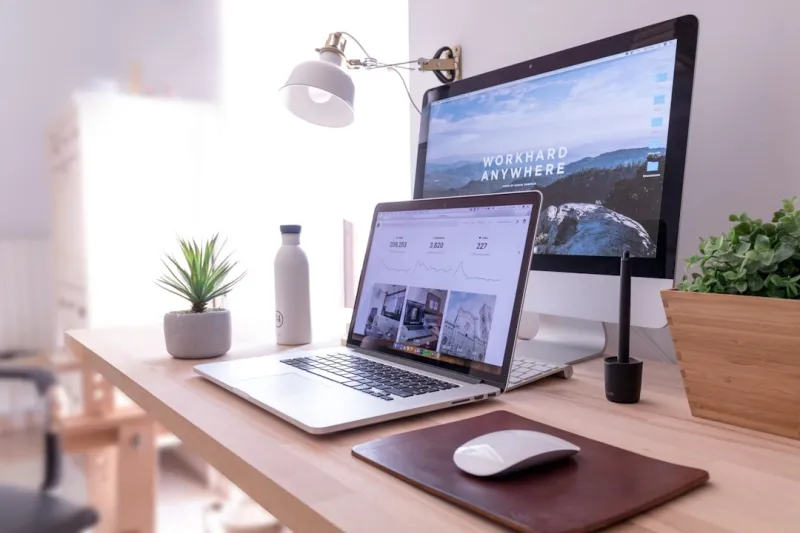
The Intersection of Web Design and Sustainable Living: A New Era of Eco-Friendly Innovation
As a web designer, I've always been fascinated by the impact that digital products can have on the environment. With the rise of sustainable living, it's becoming increasingly important for designers to consider the eco-friendly implications of their work. In this article, I'll explore the intersection of web design and sustainable living, and how we can create digital products that not only look great but also promote eco-friendly practices.
The web design industry has a significant carbon footprint, with data centers, servers, and devices all contributing to greenhouse gas emissions. However, by making a few simple changes to our design approach, we can significantly reduce the environmental impact of our digital products. For example, using energy-efficient hosting and optimizing images to reduce file size can make a big difference. I'd like to explore this idea further and provide some actionable tips for designers who want to create more sustainable digital products.
The Evolution of Sustainable Web Design
Sustainable web design is not just about reducing energy consumption; it's also about creating digital products that promote eco-friendly practices. This can involve using eco-friendly imagery and messaging that encourages users to adopt sustainable behaviors. For example, a website that promotes carpooling or public transportation can help reduce carbon emissions and promote sustainable living. I'd like to highlight some great examples of sustainable web design in action and discuss how we can learn from these projects.
Google's sustainable digital strategy is a great example of how companies can promote eco-friendly practices through their digital products. By optimizing their website for energy efficiency and using eco-friendly imagery, Google is setting a great example for other companies to follow. We can learn from their approach and apply similar strategies to our own design work.
The Role of Minimalism in Sustainable Web Design
Minimalism is a design approach that emphasizes simplicity and clean lines. When applied to web design, minimalism can help reduce energy consumption by minimizing the amount of data that needs to be transferred. This approach can also help promote eco-friendly practices by encouraging users to focus on what's really important. For example, a minimalist website that promotes sustainable living can help users quickly find the information they need and take action.
Some key principles of minimalism in web design include:
- Using a simple color palette
- Limiting the use of images and graphics
- Using clear and concise language
- Emphasizing whitespace and negative space
By applying these principles, designers can create digital products that are not only visually appealing but also promote eco-friendly practices.
The Importance of Sustainable Web Hosting
Web hosting is a critical component of web design, and it can have a significant impact on the environment. Green web hosting is a growing trend that involves using renewable energy sources to power data centers and servers. This approach can help reduce greenhouse gas emissions and promote sustainable living.
When choosing a web host, designers should consider the following factors:
- Renewable energy sources
- Energy-efficient data centers
- Carbon offsetting
- Sustainable business practices
By choosing a sustainable web host, designers can help reduce the environmental impact of their digital products and promote eco-friendly practices.
Case Studies: Sustainable Web Design in Action
There are many great examples of sustainable web design in action. For example, the website for The Power of Sustainable Living uses eco-friendly imagery and messaging to promote sustainable practices. The website is also optimized for energy efficiency, using a simple design and minimal images.
Another example is the website for Unlocking the Power of Google Gemini, which uses energy-efficient hosting and promotes eco-friendly practices through its digital products.
Conclusion
The intersection of web design and sustainable living is an exciting and rapidly evolving field. By applying sustainable design principles and choosing eco-friendly web hosting, designers can create digital products that promote eco-friendly practices and reduce energy consumption. As designers, we have a responsibility to consider the environmental impact of our work and strive to create digital products that are not only visually appealing but also sustainable.
In conclusion, sustainable web design is not just a trend; it's a necessity. By working together, we can create a more sustainable digital future that promotes eco-friendly practices and reduces energy consumption. I'd love to hear your thoughts on sustainable web design and how we can work together to create a more eco-friendly digital landscape.
Future Directions
As we look to the future, it's clear that sustainable web design will play an increasingly important role in promoting eco-friendly practices. Some potential future directions for sustainable web design include:
- The use of artificial intelligence to optimize energy efficiency
- The development of sustainable design frameworks
- The growth of green web hosting
By staying ahead of the curve and embracing these trends, designers can create digital products that are not only sustainable but also innovative and forward-thinking.
Call to Action
So what can you do to make a difference? Here are a few concrete steps you can take:
- Choose a sustainable web host for your next project
- Optimize your website for energy efficiency
- Use eco-friendly imagery and messaging in your design work
By taking these steps, you can help promote sustainable living and reduce the environmental impact of your digital products. Let's work together to create a more sustainable digital future.

Jim Pearse, a seasoned freelance writer, brings a wealth of knowledge and passion to the world of home and garden. From the intricacies of landscaping to the nuances of interior design, Jim delves into every aspect of creating comfortable, beautiful, and functional living spaces.
Related Posts
Designing for Neurodiverse Audiences: Inclusive Web Design Strategies
Explore how to design websites that respect cognitive differences, from visual hierarchy to adaptive... Read More

Human‑First Micro‑Interactions: Redefining Web Design in the Age of AI
Micro‑interactions are the quiet heroes of web design. Learn how AI tools empower designers to cra... Read More

Designing for Neurodiversity: How Inclusive UI/UX Redefines the Web
Inclusive UI/UX is the next frontier in web design, offering clear, flexible, and sensory‑friendly... Read More
Top Posts
Why Dedicated Hosting Is the Underrated Powerhouse Behind Scalable SaaS
A deep dive into why dedicated hosting, often overlooked in favor of cloud services, provides unmatched performance, security, and cost efficiency for SaaS busi...Read More

When Software Becomes Invisible: The Rise of Ambient Computing in Enterprise SaaS
Ambient computing is redefining enterprise SaaS by delivering context‑aware insights when they’re needed, reducing friction, and creating invisible yet powe...Read More
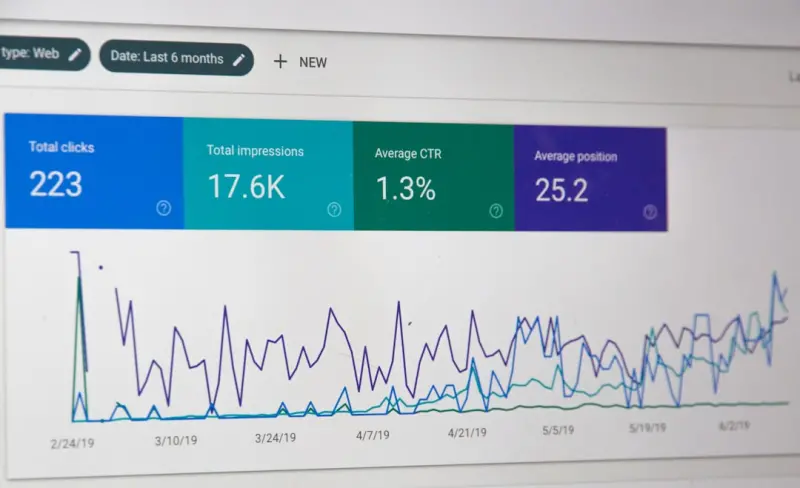
Bing SEO Secrets: How SaaS Companies Can Capture Untapped Enterprise Traffic
A deep dive into Bing’s unique ranking factors—enterprise intent, LinkedIn data, and AI semantics—showing SaaS marketers how to audit, optimize, and conve...Read More

The Internet’s Quiet Influence on Everyday Life
Discover the unseen ways the internet drives daily habits, security culture, and personal connections, and learn how to harness its power responsibly....Read More
0 Comments
Post Comment
You will need to Login or Register to comment on this post!