
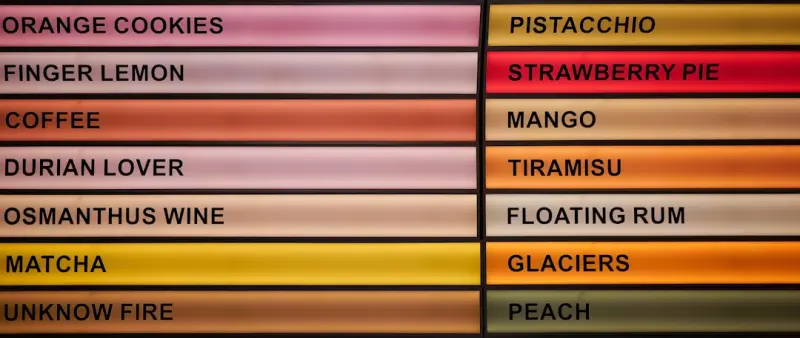
Why Flavor Pairing Feels Like a Secret Language
When I first stood in a bustling market in Oaxaca, the scent of charred chilies mingling with sweet mangoes whispered a promise that food could speak louder than any menu description, and that moment sparked my lifelong obsession with decoding the chemistry behind taste; every bite became a conversation between my palate and the world, urging me to map out the hidden grammar that makes a drizzle of balsamic feel like a hug to roasted beetroot. Understanding this invisible syntax transforms ordinary meals into storytelling devices, allowing home cooks to craft dishes that surprise, comfort, and delight without relying on costly ingredients or fancy techniques.
The Science That Turns Taste Buds into Detectives
Our tongues host five primary taste receptors—sweet, salty, sour, bitter, and umami—but the real detective work happens in the olfactory epithelium, where volatile compounds trigger aromatic memories that can make a simple tomato sauce feel nostalgic, and recent research shows that when these scent molecules bind to receptors, they amplify the perceived intensity of the basic tastes, creating a synergy that chefs have exploited for centuries without knowing the molecular basis. This synergy explains why a splash of lemon can brighten a fatty fish, and why a pinch of sea salt can elevate caramelized onions, turning everyday ingredients into elevated experiences with just a tweak of balance.
Classic Pairings: The Time‑Tested Playbook
Think of the marriage between rosemary and lamb, or the romance of chocolate and coffee—these duos have survived centuries because they align on multiple sensory levels, from complementary aromatic families to matching mouthfeel, and they often share common volatile compounds like cinnamaldehyde or pyrazines, which the brain registers as harmonious; by studying these chemical overlaps, you can predict new pairings that feel equally natural, such as pairing miso with caramel to create a salty‑sweet umami bridge that surprises the palate without jarring it. The trick is to listen for those shared notes, then let the ingredients converse rather than compete, letting each component amplify the other's strengths.
Breaking the Rules: Unexpected Combos That Work
While tradition offers a safety net, true culinary innovation lives in the daring collisions—imagine strawberry‑basil salsa or roasted cauliflower with a drizzle of dark chocolate, combos that seem absurd until you realize they share a subtle earthiness that binds them, a principle I first explored while reading about sustainable blogging practices that emphasize iterative experimentation; just as a writer revises a draft, a chef must taste, adjust, and repeat, treating each unexpected pairing as a hypothesis awaiting validation. The key is to start with a familiar anchor—a base flavor you trust—then introduce a contrasting element that either mirrors a shared volatile or provides a complementary texture, ensuring the final dish feels cohesive rather than chaotic.
The Role of Aroma and Texture in Pairing Success
Aroma acts as the first impression, while texture delivers the lasting memory, and when you align both, you create a multisensory harmony that can turn a simple salad into a masterpiece; a crunchy toasted sesame seed atop a silky avocado puree not only balances mouthfeel but also releases nutty aromatics that echo the avocado’s buttery notes, deepening the overall experience. By deliberately pairing a creamy component with a crisp or a fragrant herb with a smoky base, you give the palate multiple entry points to recognize and appreciate the dish, making each bite feel purposeful and rewarding.
Cultural Cross‑Pollination: Street Food as a Laboratory
Traveling through Southeast Asia, I discovered that street vendors intuitively apply flavor science long before it entered academic journals, mixing tamarind, palm sugar, and chili in a single bowl to achieve a perfect sweet‑sour‑spicy equilibrium that mirrors the classic French trio of butter, lemon, and capers; these global mash‑ups demonstrate that flavor pairing is a universal language, and by borrowing techniques from markets in Bangkok, Marrakech, or Mexico City, home cooks can inject fresh excitement into familiar recipes. To harness this, treat your pantry like a passport, swapping out a conventional ingredient for a culturally inspired counterpart, such as substituting miso for soy sauce in a classic vinaigrette, which adds depth and a whisper of umami that feels both exotic and comforting.
Home Fermentation: Unlocking Umami and Depth
Fermentation isn’t just for kimchi or kombucha; the process of allowing microbes to break down sugars creates a cascade of flavor compounds—lactones, esters, and amino acids—that dramatically boost umami and complexity, turning a humble cabbage leaf into a tangy, savory powerhouse that can serve as a flavor catalyst in soups, stews, or even desserts; I recall a late‑night experiment where I blended fermented black garlic with caramel, resulting in a dark, sweet‑savory glaze that elevated roasted carrots beyond anything store‑bought. For those hesitant to dive in, start small with a jar of quick‑pickled onions or a batch of kefir, then gradually expand to more ambitious projects, always documenting changes so you can replicate successes and learn from missteps.
Building Your Personal Flavor Library
Just as a musician curates a setlist, a chef benefits from a well‑organized inventory of spices, sauces, and fermented products, each labeled with its dominant aromatic profile and suggested companions, enabling quick decisions during the heat of cooking; I keep a digital spreadsheet—mirroring the efficiency of a laptop setup designed for creatives—where I log the taste notes, pairings tried, and outcomes, turning trial and error into a searchable database. Over time, this library becomes a personal encyclopedia, guiding you toward confident improvisation and reducing the reliance on recipes that feel restrictive.
Sharing the Journey: Community and Collaboration
The most rewarding part of mastering flavor pairing is the conversation it sparks at the dinner table, in online forums, or during a potluck where guests swap stories of unexpected combos that delighted their senses; by inviting friends to taste‑test a new rosemary‑strawberry reduction on grilled pork, you create a collaborative feedback loop that refines your instincts and encourages others to experiment. Documenting these experiences on a blog or social feed not only builds your credibility but also contributes to a larger knowledge base, turning personal curiosity into collective culinary evolution.
Putting It All Together: Your Next Culinary Adventure
Armed with a grasp of taste chemistry, a willingness to break conventions, and a curated flavor library, you’re ready to approach each meal as a sandbox for exploration, where a dash of smoked paprika can transform a simple quinoa bowl into a smoky, earthy delight, and a splash of yuzu can lift a buttery sauce into bright, citrus‑kissed territory; remember that the most memorable dishes arise from curiosity, patience, and the courage to taste the unknown. So next time you stand before your pantry, ask yourself: what unlikely partnership lies waiting, and how will it rewrite the story your palate tells?

Shawn DesRochers is a certified Microsoft technician and Programmer with 30+ year's experience. He has written many reviews on computer related products, software, and SEO related topics. When he's not writing reviews he can be found at one of the Oldest Directories Online Blogging Fusion Business Directory which he is the CEO of.
Related Posts
The Morning Coffee: Mastering the Golden Ratio for the Perfect Cup
For many, the morning ritual of coffee preparation is a blur of half-awake movements: a scoop of gro... Read More
Fermenting the Future: A Zero‑Waste Journey from Kitchen to Table
Discover the rise of zero‑waste fermentation, a practical and delicious way to turn kitchen scraps... Read More
Fermentation Fever: Turning Scraps into Liquid Gold
Explore the art of home fermentation, from turning fruit peels into sparkling sodas to crafting zero... Read More
Top Posts

AI-Generated Contracts: Risks and Rewards
AI is rapidly entering the contract drafting arena, offering unprecedented speed and data‑driven insights. This article examines the benefits, hidden risks, e...Read More

Unlocking the Power of Energy Data with SaaS Intelligence
A deep dive into how SaaS‑driven data pipelines, AI‑powered demand response, and decentralized energy marketplaces are reshaping the energy sector, offering...Read More

Embracing Creative Sprints in Modern Education
Explore how adopting creative sprint principles in education ignites curiosity, boosts collaboration, and equips learners for rapid, lifelong growth....Read More

Turn Your Home into a Multisensory Wellness Sanctuary
Learn how to transform any room into a multisensory oasis with easy, budget‑friendly tweaks that engage sight, sound, smell, taste, and touch for improved wel...Read More
0 Comments
Post Comment
You will need to Login or Register to comment on this post!