
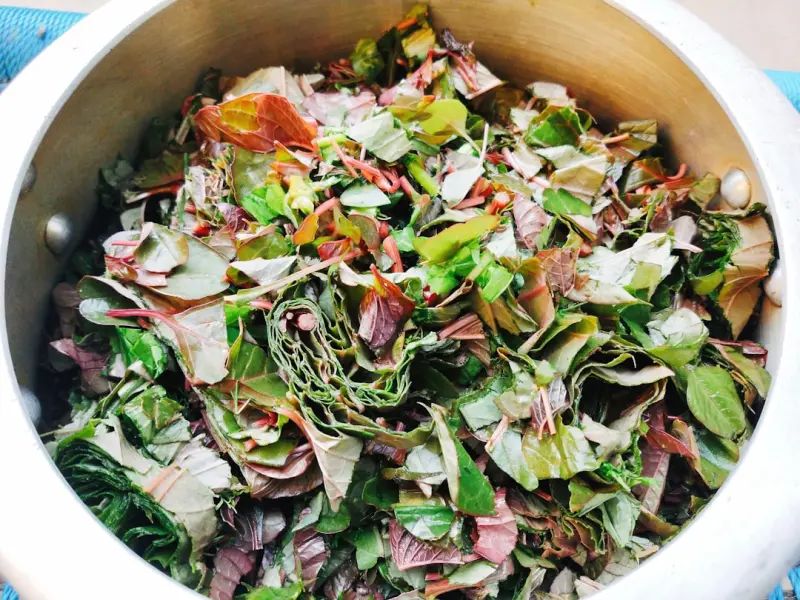
When I first stumbled upon a half‑forgotten bottle of fermented tea tucked behind the pantry, I sensed an untapped adventure waiting in my own kitchen. Not the polished, trendy kombucha bars you see on Instagram, but the raw, curious world of home‑crafted fermented drinks that turn humble leftovers into vibrant, health‑boosting elixirs. This isn’t about chasing the latest buzz; it’s about rediscovering the alchemy that ancient cultures mastered and applying it to today’s fast‑paced life.
Why Fermentation Deserves a Front‑Row Seat
Fermentation is more than a preservation method—it’s a living laboratory. Micro‑organisms such as yeasts and bacteria transform sugars, fibers, and even stubborn vegetable peels into flavors that dance on the palate and probiotics that nurture the gut. The beauty lies in its accessibility: a glass jar, a pinch of salt, and a dash of curiosity are all you need to start.
- Flavor amplification: A splash of brine can turn plain cucumbers into tangy, crisp pickles that sing with umami.
- Digestive benefits: Fermented beverages introduce beneficial bacteria that support a balanced microbiome.
- Waste reduction: By fermenting fruit skins, herb stems, and even coffee grounds, you reclaim ingredients that would otherwise be tossed.
From Fruit Peels to Fizzy Sodas: A Step‑by‑Step Guide
Let’s walk through a simple, adaptable recipe that turns citrus zest and apple cores into a sparkling, probiotic‑rich soda. The process is forgiving, allowing you to tweak sweetness, acidity, and carbonation to your taste.
- Gather your scraps: Collect orange peels, lemon zest, apple cores, and any extra fruit flesh you have on hand. Aim for about two cups of mixed material.
- Prep the brine: Dissolve one tablespoon of sea salt in four cups of filtered water. The salt creates an environment where beneficial microbes thrive while inhibiting harmful ones.
- Combine and seal: Pack the fruit scraps into a clean jar, pour the brine over them, and seal loosely to allow gases to escape.
- Ferment: Store the jar at room temperature for 3–5 days, tasting daily. When it reaches a pleasant tang, strain the liquid.
- Carbonate: Transfer the strained liquid into a clean bottle, add a small amount of sugar or honey (about a teaspoon), seal tightly, and let it sit for another 24–48 hours at a cooler spot. The sugar fuels a second round of fermentation, creating natural carbonation.
- Enjoy responsibly: Chill, pour over ice, and savor the complex fizz. Keep refrigerated to slow further fermentation.
Feel free to experiment with herbs—mint, basil, or ginger can add surprising layers of aroma. The result is a bespoke soda that reflects the flavors of your own pantry.
Zero‑Waste Cocktails: Elevating the Bar Cart
For those who love a good cocktail, the same principles apply. Citrus peels, spent coffee grounds, and even the stems of fresh herbs become the base for bitters, syrups, and infusions. Below are three quick ideas that let you impress guests while keeping the waste bin empty.
- Peel‑Infused Gin: Submerge orange and grapefruit zest in a bottle of gin for 48 hours. The citrus oils infuse the spirit, adding brightness without extra mixers.
- Coffee‑Ground Bitters: Simmer spent coffee grounds with water, a touch of honey, and aromatics like clove and cardamom. Strain and bottle; a few drops elevate any old‑fashioned.
- Herb‑Stem Syrup: Combine herb stems (such as rosemary or thyme) with equal parts sugar and water, simmer, then cool. Use the syrup in a gin‑fizz for herbaceous depth.
These creations aren’t just about taste—they’re a conversation starter that showcases thoughtful stewardship of resources.
Fermentation Meets Technology: Streamlining the Process
Even in the kitchen, digital tools can simplify experimentation. I recently explored how AI‑powered plugins are rewriting workflows in my recipe notebook. By integrating a simple AI assistant, I could log fermentation times, temperature fluctuations, and flavor notes with voice commands, generating a personalized fermentation journal without manual entry.
Another revelation was the impact of strategic tool hygiene on pantry organization. Applying the same principles of lean inventory management used in software stacks, I categorized my fermentable supplies—salt, starter cultures, and glass jars—into a minimal yet flexible system. This reduced the time spent hunting for a specific jar and ensured I never ran out of essential ingredients.
The Science Behind the Bubbles
When the secondary fermentation kicks in, yeast consumes the added sugar, producing carbon dioxide and a modest amount of alcohol. The process is self‑regulating: as pressure builds, the yeast slows down, preventing over‑carbonation. This natural balance is why home‑fermented sodas often have a gentle sparkle, unlike commercial counterparts that rely on forced carbonation.
Understanding the microbiology also helps you avoid pitfalls. If you notice a foul odor, slime, or mold beyond the typical surface film, it’s a sign that undesirable microbes have taken over. In such cases, discard the batch—safety first.
Flavor Pairings That Wow
Fermented drinks are versatile backdrops for culinary pairings. Here are three curated combos that elevate both the beverage and the accompanying dish:
- Spiced Apple Cider Ferment with roasted pork tenderloin— the tangy effervescence cuts through the richness of the meat.
- Herb‑Infused Kombucha Alternative paired with grilled halloumi— the herbaceous notes echo the cheese’s salty bite.
- Citrus‑Zest Soda alongside avocado toast— the bright acidity balances the creamy avocado, creating a harmonious bite.
Community Fermentation: Sharing the Love
One of the most rewarding aspects of home fermentation is the sense of community it fosters. Swapping starter cultures, exchanging flavor profiles, and collaborating on batch experiments turn solitary kitchen work into a shared journey. I’ve hosted “Ferment Fridays” where neighbors bring their latest creations, and we collectively taste, critique, and brainstorm new ideas.
These gatherings also become informal workshops, where newcomers learn safety protocols, proper brining ratios, and the joy of seeing a jar transform over days. The communal vibe mirrors the collaborative spirit of open‑source development—each participant contributes to a richer, more diverse knowledge base.
Scaling Up Without Compromise
When your fermented soda becomes a neighborhood favorite, you might wonder how to scale production without sacrificing quality. The key lies in maintaining consistency:
- Standardize measurements: Use weight‑based scales for salt and sugar to ensure each batch starts with the same baseline.
- Control temperature: A simple countertop incubator or a dedicated fermentation cabinet can keep conditions steady.
- Document every variable: Track the source of fruit scraps, fermentation duration, and any additions. Over time, patterns emerge that guide refinements.
By treating each batch as a mini‑experiment, you preserve the handcrafted essence while meeting growing demand.
Future Trends: Beyond the Bottle
Looking ahead, I see fermented beverages moving into new formats—think probiotic‑infused coffee, kombucha‑based salad dressings, and even fermented ice creams. The underlying principle remains the same: leveraging microbes to transform ordinary ingredients into extraordinary experiences.
As consumers become more curious about health, flavor, and sustainability, the market will reward creators who blend tradition with innovation. Whether you’re a seasoned chef or a curious home cook, the fermentation frontier invites you to experiment, share, and savor the unexpected.

Laura Wilson is a freelance writer specializing in the dynamic and ever-evolving field of health. With a passion for translating complex medical information into accessible and engaging content, Laura brings a wealth of knowledge and a fresh perspective to topics ranging from preventative care and nutrition to cutting-edge research and innovative treatments.
Related Posts
10 Foods You Shouldn't Cook in Your Instant Pot
Instant Pots have taken the world by storm with their multi-functionality and ease of use. They have... Read More

The Strategic Approach To Getting Your Children to Eat their Vegetables
The challenge of encouraging children to eat their vegetables is a near-universal parenting struggle... Read More
The Morning Coffee: Mastering the Golden Ratio for the Perfect Cup
For many, the morning ritual of coffee preparation is a blur of half-awake movements: a scoop of gro... Read More
Top Posts

Issue‑Centric Micro‑Campaigns: Redefining Voter Engagement
Voters are moving beyond party labels, embracing narrow‑focus micro‑campaigns that tackle specific policies. This article examines the rise, tactics, challe...Read More

What Is Superintelligence? Everything You Need to Know About AI's Endgame
In the vast and rapidly evolving landscape of artificial intelligence, one concept stands as both the ultimate aspiration and the most profound fear: superintel...Read More

Why a Privacy‑First Marketing Stack Is the Competitive Edge Your SaaS Needs
A privacy‑first marketing stack unifies consent management, first‑party data platforms, and compliant automation to boost engagement and revenue while safeg...Read More

Stress‑Free Home Entryway: Simple Hacks for a Calm First Impression
A cluttered hallway can spike stress before you even start your day. Learn practical, low‑cost strategies—from zone mapping and smart storage to subtle ligh...Read More
0 Comments
Post Comment
You will need to Login or Register to comment on this post!