
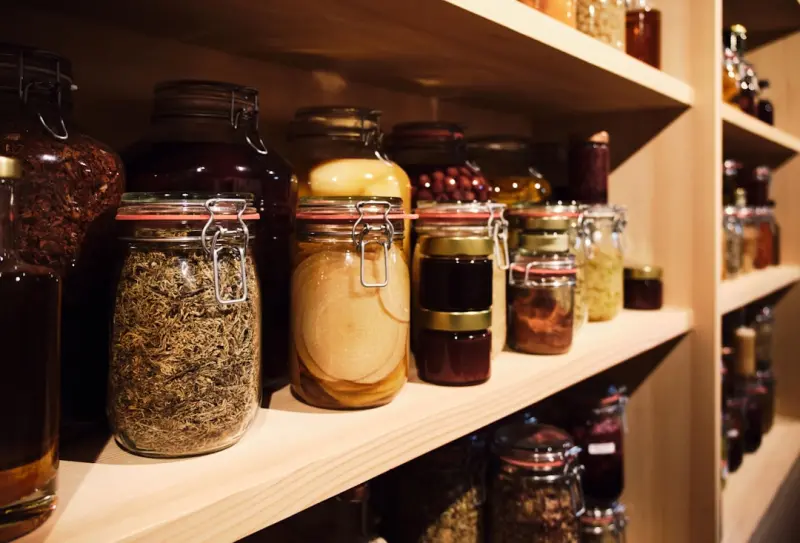
When the hum of a refrigerator door opens, most of us reach for the ready‑to‑eat, toss‑it‑out leftovers. But what if those forgotten veggies, wilting herbs, or overripe fruit could become the star of a new culinary adventure? That’s the promise of zero‑waste fermentation—a movement that turns kitchen scraps into tangy, probiotic‑rich delights while slashing food waste. In this post, I’ll walk you through the science, the tools, and the community spirit that are reshaping our plates and our planet.
Fermentation 101: A Microbial Masterclass
At its core, fermentation is a partnership between us and the invisible world of microbes. Lactobacillus, yeast, and molds feast on sugars, producing acids, alcohols, and gases that transform raw ingredients into complex flavors and textures. This isn’t just kitchen wizardry; it’s a time‑tested preservation method that predates refrigeration by millennia.
What makes fermentation especially suited to a zero‑waste mindset is its ability to unlock value in ingredients that would otherwise be discarded. A carrot peel can become a crisp, briny snack; a batch of coffee grounds can evolve into a tangy, probiotic beverage. The magic lies in the controlled environment—temperature, salt, and time—that lets microbes do the heavy lifting.
From Scraps to Snacks: Real‑World Examples
Let’s explore a few everyday items that can be rescued and reimagined:
- Vegetable Stems & Leaves – Slice them thin, toss with salt, and let them ferment for a week. You end up with crunchy kimchi‑style bites that are perfect on salads or as a snack.
- Fruit Pulp – Overripe berries or apples, once blended with a splash of water and a pinch of salt, can become a tangy water kefir base, brimming with probiotics.
- Herb Stems – The ends of cilantro, basil, or dill often get tossed. Ferment them with garlic and chili for a vibrant, fermented herb sauce that adds depth to tacos or grilled fish.
- Stale Bread – Turn it into a sourdough starter, feeding it daily with scraps until it’s robust enough to bake loaves that are both delicious and waste‑free.
Each of these transformations requires minimal equipment—just a jar, some salt, and patience. And the payoff? Flavors that are richer, textures that are more interesting, and a dramatic reduction in the amount of food you throw away each week.
Tools and Tech: The Modern Fermenter’s Toolbox
While you can ferment with a simple mason jar, the rise of smart kitchen gadgets has introduced temperature‑controlled fermenters that take the guesswork out of the process. These devices monitor pH, humidity, and temperature, sending alerts to your phone when it’s time to taste or move the batch.
For those who love a DIY approach, no‑code fermentation kits let you design custom flavor profiles using modular containers and simple sensor integrations—no programming required. The kits come with reusable silicone lids, airlock inserts, and a starter culture library, making the whole experience both sustainable and scalable.
And let’s not overlook the power of community resources. Online forums, local meet‑ups, and even senior centers are sharing senior‑friendly fermenting guides that demystify the process for newcomers of all ages.
The Community Fermentation Movement
Fermentation isn’t just a solo hobby; it’s becoming a social catalyst. Neighborhood groups are swapping brine recipes, hosting “ferment swaps,” and even setting up shared fermentation stations in community gardens. These gatherings serve a dual purpose: they spread culinary knowledge and create a tangible reduction in collective waste.
One inspiring example is the “Ferment & Feast” pop‑up events happening in urban lofts across the country. Participants bring their own kitchen scraps, learn to ferment them under the guidance of a local food activist, and then share a communal meal featuring the resulting dishes. The vibe is equal parts educational and celebratory—proof that sustainable eating can also be wildly enjoyable.
Getting Started: A Step‑by‑Step Blueprint
Ready to turn that wilted kale into a probiotic powerhouse? Follow these steps:
- Gather Your Scraps – Collect vegetable peels, fruit skins, and herb stems in a clean container. Aim for a mix of textures and flavors for a more complex final product.
- Salt It Right – Add 2%–3% salt by weight (roughly one tablespoon per pound of scraps). Salt inhibits harmful bacteria while encouraging beneficial lactobacilli.
- Pack Tightly – Transfer the salted scraps into a jar, pressing them down so the brine covers everything. Air pockets can foster mold growth.
- Seal and Store – Close the jar with an airlock or a loosely fitted lid to allow gases to escape. Store in a cool, dark place (55°F–68°F) for 3–7 days.
- Taste Test – After a few days, open the jar and sample a small piece. If the flavor is pleasantly tangy and the texture is to your liking, it’s ready. If not, let it ferment longer, checking daily.
- Enjoy and Repurpose – Use the fermented mix as a topping for salads, a base for sauces, or a garnish for soups. The leftovers can be incorporated into future fermentations, creating a virtuous cycle.
Keep a log of each batch—ingredients, salt ratio, temperature, and tasting notes. Over time, you’ll develop a personal flavor library that rivals any commercial condiment shelf.
Sustainability Impact: Numbers That Matter
According to recent studies, households in the United States discard roughly 30% of purchased food. Fermentation can slash that figure dramatically. By salvaging even 10% of what would otherwise be waste, a typical family could prevent the equivalent of several hundred pounds of food from ending up in landfills each year.
The environmental benefits extend beyond waste reduction. Fermented foods often require less energy to produce than their fresh counterparts because they don’t need refrigeration for extended periods. Moreover, the probiotic content can improve gut health, potentially reducing the need for processed, packaged alternatives that have higher carbon footprints.
Flavor Innovation: Pushing the Boundaries
Zero‑waste fermentation isn’t limited to classic kimchi or sauerkraut. Creative chefs are experimenting with:
- Fermented Coffee Cascara – The husk left after coffee beans are roasted, brewed into a tart, effervescent drink.
- Spice‑Infused Fruit Shrubs – Fermented fruit juice combined with vinegar and spices, perfect for mocktails.
- Vegetable‑Based Cheese Alternatives – Cashew or almond bases fermented with nutrient‑rich veg scraps, yielding tangy spreads that rival dairy cheese.
These innovations showcase how fermentation can be a playground for flavor architects, allowing them to repurpose “waste” into culinary gold.
Challenges and How to Overcome Them
Every new habit comes with hurdles. Common issues include mold growth, off‑flavors, and inconsistent textures. Here’s how to troubleshoot:
- Mold – Ensure the brine fully submerges the ingredients. Use a weight (a small, sterilized glass or a fermentation stone) to keep everything below the surface.
- Too Salty – Reduce salt to 1.5% for milder flavors, but be careful not to go too low, as this can invite harmful bacteria.
- Lack of Bubbles – If you’re not seeing activity, increase the temperature slightly or add a small amount of sugar to jump‑start the microbes.
Patience and observation are your best allies. Fermentation is a living process; each batch teaches you something new about the delicate dance of microbes.
Looking Ahead: The Future of Zero‑Waste Fermentation
As consumer awareness grows, we’ll likely see more commercial products that champion upcycled ingredients. Think grocery aisles stocked with fermented sauces made from “imperfect” produce, or restaurant menus highlighting “scrap‑to‑snack” dishes. The technology we discussed—smart fermenters and no‑code kits—will become mainstream, making the process accessible to anyone with a kitchen.
In the meantime, the real power lies in your hands (and your pantry). By embracing zero‑waste fermentation, you’re not only crafting unforgettable flavors but also joining a global movement that values resourcefulness, health, and community. So the next time you glance at that pile of wilted greens, remember: there’s a tangy, probiotic surprise waiting to emerge.

Jody Henderson is a passionate freelance writer, driven by a love for storytelling and a keen eye for detail. With a versatile skillset, she crafts compelling content across a variety of niches, from engaging blog posts to informative articles and persuasive marketing copy.
Related Posts
The Healing Power of Food: How Cuisine Can Impact Our Mental Wellbeing
Explore the fascinating world of food and mental health. Learn how certain foods can positively impa... Read More

Flavorful Moments: How Food Fuels Creativity and Wellness
Discover how daily rituals, seasonal produce, and smart kitchen tools turn meals into creative fuel,... Read More

Why the Fast‑Food Frenzy Is Actually Feeding Our Creativity
In a world where food moves at lightning speed, I explore how rapid trends ignite creativity, bring ... Read More
Top Posts

AI‑Enabled Decision Intelligence: Turning Data Into Actionable Revenue Levers
Decision intelligence fuses AI forecasts, causal insights, and prescriptive recommendations into a single workflow, enabling SaaS teams to act on data in real t...Read More

What is Web to Print Software? A Comprehensive Overview
In the modern era of digitalization, businesses are increasingly adopting online platforms to streamline their operations and improve efficiency. One such techn...Read More
The Future of Education: Integrating Sustainable Living into the Classroom
Integrating sustainable living into education is crucial for creating a more sustainable future. Learn how educators can promote sustainable practices in the cl...Read More

Why Speed Is the Secret Weapon in Modern SEO
Speed isn’t just about loading pages fast—it's the backbone of modern SEO. In this deep dive, I share my proven strategies for leveraging speed, intent, and...Read More
0 Comments
Post Comment
You will need to Login or Register to comment on this post!