
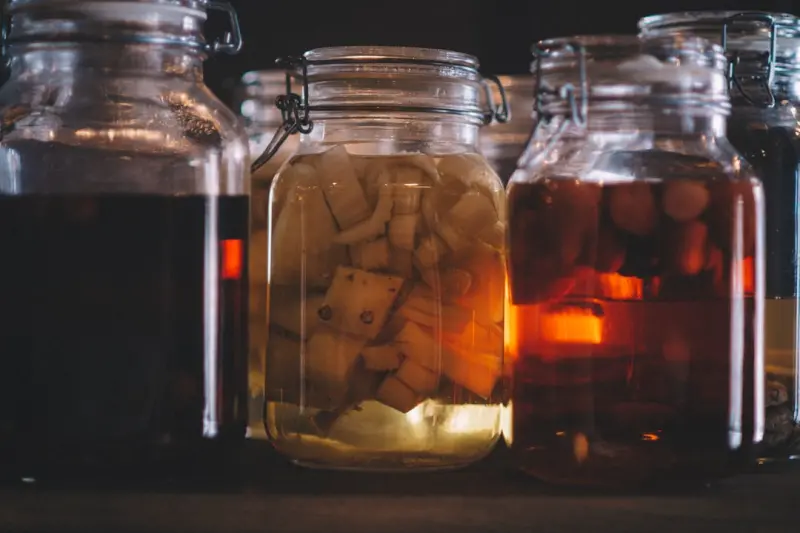
Why Fermentation Is the Quiet Revolution Every Foodie Needs to Know
When I first walked into a downtown market and smelled a tangy, earthy aroma wafting from a barrel of kimchi, I thought I’d stumbled onto a secret club. Little did I realize that I was witnessing a culinary movement that’s been simmering under the surface for centuries—and is now exploding onto plates, menus, and even tech‑savvy kitchen counters.
Fermentation isn’t just about sour krauts or funky cheeses. It’s a science, an art, and a sustainability hack rolled into one. It lets us preserve food, enhance nutritional value, and unlock flavor dimensions that conventional cooking simply can’t reach. In this deep dive, I’ll unpack why microbes are the new star chefs, how home cooks can start their own fermenting labs, and what this means for the broader food ecosystem.
The Microbial Renaissance: From Ancient Cellars to Smart Kitchens
Historically, fermentation was a necessity. Before refrigeration, our ancestors relied on yeasts, bacteria, and molds to keep food edible through harsh winters. Today, the motive has shifted from mere survival to curiosity, health, and creativity.
Modern chefs are treating the microbiome like a palette of pigments. Think of a kombucha brew that carries notes of hibiscus, ginger, and wild honey—each sip a symphony of metabolites. Or a miso paste aged for three years, delivering umami depth that no stock can replicate.
But what’s truly fascinating is the convergence of tradition with technology. smart kitchen appliances now come with temperature‑controlled fermentation chambers, Bluetooth alerts, and data dashboards that let you track pH levels in real time. This marriage of microbes and IoT is turning kitchen countertops into miniature biotech labs.
Health Benefits That Go Beyond “Probiotic” Labels
We’ve all heard the buzz: “probiotics are good for your gut.” Yet, the benefits of fermentation run deeper than a trendy supplement tagline.
- Enhanced Nutrient Bioavailability: Fermentation breaks down anti‑nutrients like phytic acid, freeing minerals such as iron and zinc for easier absorption.
- Digestive Enzyme Boost: Fermented foods introduce enzymes that aid in breaking down complex carbs, making them gentler on the stomach.
- Immune Modulation: Certain strains of Lactobacillus have been shown to interact with gut‑associated lymphoid tissue, offering a subtle edge in immune defense.
And it’s not just about gut health. Emerging research links regular consumption of fermented vegetables to lower blood pressure and improved mental wellbeing—thanks to the gut‑brain axis, a bi‑directional communication highway that’s still being mapped out.
From Farm to Ferment: Sustainability’s Secret Weapon
Food waste is a massive challenge. In the United States alone, roughly 30% of edible food never makes it to a plate. Fermentation provides a graceful exit strategy: turn overripe produce into tangy pickles, turn surplus whey from cheese factories into nutrient‑dense kefir, or transform discarded bread into sourdough starter for future loaves.
When you ferment, you’re extending shelf life without relying on plastic packaging or energy‑intensive refrigeration. This not only cuts greenhouse‑gas emissions but also creates a circular economy where “waste” becomes a valuable ingredient.
Getting Started: Your First Fermentation Projects
Ready to roll up your sleeves? Here’s a quick starter kit that won’t break the bank—and a step‑by‑step for three beginner‑friendly ferments.
1. Classic Sauerkraut
- Ingredients: One medium green cabbage, 1‑2% salt by weight, optional caraway seeds.
- Tools: A large glass jar, a weight (a clean stone or a smaller jar), a breathable cloth.
- Method:
- Shred the cabbage finely.
- Massage the salt into the cabbage until it releases its juices (about 5‑7 minutes).
- Pack the cabbage tightly into the jar, press it down so the brine covers the veggies.
- Cover with the cloth, place the weight on top, and let it sit at room temperature (65‑70°F) for 3‑7 days, tasting daily.
2. Kombucha Starter
- Ingredients: 1 L of black tea, 100 g sugar, 100 ml kombucha starter or unflavored store‑bought kombucha, SCOBY.
- Tools: A wide‑mouth glass jar, breathable cloth, rubber band.
- Method:
- Brew the tea, dissolve the sugar, and let it cool to room temperature.
- Add the starter liquid and gently place the SCOBY on top.
- Cover, secure with a rubber band, and ferment for 7‑14 days, depending on desired tartness.
3. Miso Paste (Quick Version)
- Ingredients: 500 g soybeans, 250 g rice koji, 50 g sea salt.
- Tools: Large pot, food processor, fermentation vessel.
- Method:
- Cook soybeans until tender, then mash.
- Mix in koji and salt until evenly combined.
- Pack the mixture tightly into a container, press out air pockets, and seal.
- Let it age in a cool, dark place for at least 2 months. Longer aging yields richer flavor.
These projects illustrate a core principle: fermentation is forgiving. The microbes are resilient, and small variations often lead to delightful surprises rather than disasters.
Flavor Pairings That Shine With Fermented Ingredients
Once you have a stash of tangy, umami‑rich ferments, the sky’s the limit. Here are some pairings that elevate both simple home cooking and high‑end restaurant plating.
- Sauerkraut + Pork: The acidity cuts through the richness of pork belly, making a classic German dish feel fresh.
- Kombucha Marinade + Chicken: The slight effervescence tenderizes the meat while infusing it with subtle fruit notes.
- Miso + Root Vegetables: Roast carrots or parsnips with a miso glaze for caramelized sweetness backed by deep umami.
- Fermented Hot Sauce + Chocolate: A dash on dark chocolate truffles creates a surprising heat‑sweet balance.
Commercial Fermentation: How Brands Are Riding the Wave
Big food companies are no longer shy about embracing microbes. Look at the surge in ready‑to‑drink fermented beverages, the launch of fermented snack lines, and the collaboration between craft breweries and plant‑based cheese makers. These ventures illustrate that fermentation is not a niche hobby; it’s a mainstream growth engine.
In fact, many innovators are borrowing concepts from the tech world—think subscription boxes delivering weekly fermentation kits, or data‑driven flavor labs that use AI to predict which microbial strains will produce the next hit taste profile.
Future Trends: What’s Next for Fermentation?
While the current craze focuses on taste and health, several emerging frontiers could redefine the entire food supply chain.
1. Precision Fermentation
Leveraging CRISPR and synthetic biology, companies are engineering microbes to produce specific proteins, vitamins, and even dairy‑like fats without any animal inputs. Imagine a “milk” made entirely by yeast, delivering the same creamy mouthfeel but with a fraction of the environmental footprint.
2. Fermentation‑Powered Packaging
Researchers are exploring biodegradable films that incorporate living cultures. These films could self‑preserve, extending freshness while decomposing harmlessly after use.
3. Fermented Food Tourism
Travel experiences centered around local fermentation traditions are on the rise—think “Kimchi Trails” in Korea or “Miso Pilgrimages” in Japan. This not only promotes cultural exchange but also supports small‑scale producers.
Addressing Common Misconceptions
Even seasoned foodies sometimes balk at the idea of inviting bacteria into their meals. Let’s clear the fog.
- “It’s unsafe.” Proper fermentation creates an acidic environment that inhibits pathogenic growth. Stick to trusted recipes and clean tools, and you’ll be fine.
- “It’s too time‑consuming.” While some ferments need weeks, many, like quick pickles or kefir, are ready in days. The “hands‑off” nature actually frees up time for other tasks.
- “I’ll lose the original flavor of my ingredients.” Fermentation amplifies, not erases, core flavors. A cucumber becomes a crisp, briny pickle, but its fresh crunch remains.
Conclusion: Embrace the Microbial Muse
Fermentation is more than a culinary trend; it’s a paradigm shift that marries tradition with technology, flavor with function, and waste with wonder. Whether you’re a home cook eager to experiment, a chef seeking new depth, or a sustainability advocate hunting low‑impact solutions, the world of microbes has a seat at your table.
So next time you see a jar of bubbling goodness, don’t shy away—lean in, taste, and let the microbial muse inspire your next masterpiece.

David Moore is a freelance writer specializing in two dynamic and ever-evolving fields: gambling and the tech industry. With a keen eye for detail and a knack for unraveling complex topics, David delivers insightful and engaging content that keeps readers informed and entertained.
Related Posts
Best Places to Eat in Toronto, Canada - A Foodies Paradise
Discover the vibrant flavors of Toronto, a true foodie paradise in Ontario. From historic markets to... Read More

Why the Fast‑Food Frenzy Is Actually Feeding Our Creativity
In a world where food moves at lightning speed, I explore how rapid trends ignite creativity, bring ... Read More
When Your Kitchen Becomes a Lab: The Unexpected Science Behind Modern Food Trends
A deep dive into the tech-driven evolution of food, covering AI‑crafted flavors, digital fermentat... Read More
Top Posts

Scam Fatigue and the Hidden Engines Driving Modern Fraud
A deep dive into the psychology, technology, and ecosystems behind today’s scams, with actionable tips to stay ahead of fraudsters....Read More

Discover the Ultimate Sound Experience: Headphones Tailored for Today's Teenager
In the dynamic world of digital entertainment and personal expression, a high-quality pair of headphones is no longer a luxury but an essential accessory for th...Read More

Reimagining Community: The Rise of Pop‑Up Public Spaces
Pop‑up public spaces turn vacant city spots into vibrant community hubs, using smart tech and inclusive design to rebuild social ties and boost local economie...Read More

The Rise of Mobile Apps: Revolutionizing the Way We Live and Work
Mobile apps have transformed the way we live and work, enabling us to access information, products, and services in new and innovative ways. Learn about the evo...Read More
0 Comments
Post Comment
You will need to Login or Register to comment on this post!