

When Your Kitchen Becomes a Lab: The Unexpected Science Behind Modern Food Trends
It’s funny how the phrase “food is love” can feel both poetic and painfully literal when you’re standing in front of a cold‑brew espresso machine that looks like it was designed by a spaceship engineer. I’ve spent the last decade watching startups turn kitchen tables into R&D labs, and I’ve learned that the most exciting flavor experiments are happening not just in Michelin‑starred restaurants but in the same warehouses that house servers and network racks.
In this piece, I’m pulling back the curtain on the hidden forces that are reshaping what lands on our plates. From AI‑driven flavor pairings to hyper‑localized sourcing strategies, the food & drink world is quietly borrowing playbooks from the tech arena—yet the outcomes feel as human as a grandmother’s soup. Let’s dig in.
1. Flavor Pairing Gets a Data Boost
Imagine you have a spreadsheet that lists every molecule in a tomato, every volatile compound in a basil leaf, and the exact temperature at which a caramelized onion releases its sweet aromatics. That’s not a fantasy; it’s the reality of today’s flavor scientists. Using massive datasets, algorithms can now predict the “chemical love match” between ingredients that were never meant to meet.
What’s fascinating is how the same conversational AI that powers chatbots for customer service is being repurposed to answer a chef’s question: “What if I combine smoked paprika with white chocolate?” The AI sifts through thousands of flavor profiles, suggests the optimal ratio, and even predicts how the dish will evolve over time as it cools.
In practice, this means a small‑batch ice cream maker in Portland can launch a “Miso‑Maple Swirl” in weeks rather than months. The result? Faster iteration cycles, lower waste, and a menu that feels both adventurous and scientifically grounded.
2. The Rise of “Digital Fermentation”
Fermentation has always been a slow, mystical process. But the digital age is turning it into a precise, repeatable science. Sensors monitor pH, temperature, and humidity in real time, sending data to cloud dashboards that look more like a server room than a cellar.
This shift allows producers to scale artisanal products without sacrificing nuance. A kombucha startup can now guarantee that every batch hits the exact acidity level that makes the drink refreshing, not overly tart. The same principle is being applied to craft cheese, where AI models predict the perfect aging window based on ambient conditions and microbial activity.
What’s more, the data collected can be shared across the industry, creating a communal knowledge base that democratizes what used to be guarded family secrets.
3. Hyper‑Local Sourcing Powered by Real‑Time Logistics
Farm‑to‑table isn’t a new buzzword, but the logistics behind it are getting a serious upgrade. Imagine a network of micro‑warehouses scattered across a city, each stocked with fresh herbs, heirloom tomatoes, and locally sourced proteins. When a restaurant orders a “summer garden salad,” an algorithm instantly routes the request to the nearest hub, ensuring the greens arrive within minutes of harvest.
This model reduces carbon footprints, cuts food miles, and guarantees peak freshness. It also creates a new market for small‑scale farmers who can now sell directly to these micro‑hubs without needing a massive distribution network.
4. AI‑Assisted Menu Engineering
Designing a menu used to be a blend of intuition, experience, and a dash of market research. Today, AI can analyze customer reviews, sales data, and even social media trends to suggest which dishes to promote, retire, or reinvent.
For instance, a café noticing a surge in “plant‑based” searches can get a recommendation to add a “chickpea‑blush beet burger.” The AI doesn’t just suggest a name; it forecasts the likely profit margin, the optimal pricing strategy, and the best placement on the menu to maximize visibility.
This data‑driven approach reduces guesswork and helps businesses stay ahead of fickle consumer preferences.
5. The “WebAssembly” of Food Production
When you think of WebAssembly, you probably picture developers compiling code for faster web performance. But the same concept—running lightweight, high‑performance modules at the edge—has a culinary analog.
Edge‑cooking devices, like smart ovens that process recipes locally, can execute complex cooking algorithms without relying on a constant internet connection. The result? Precise temperature control, reduced latency, and the ability to replicate a chef’s signature technique across dozens of locations simultaneously.
Think of a chain of sushi bars that each have a smart rice cooker. The cooker receives a compiled “recipe module” that knows exactly how to adjust steam, temperature, and timing for the perfect grain texture, no matter the local water hardness.
6. Sustainable Packaging Meets Tech
Consumers are demanding more than great taste—they want environmentally responsible packaging. Enter smart packaging: biodegradable films embedded with tiny sensors that track freshness, temperature exposure, and even the carbon footprint of the product’s journey.
When you pick up a bottle of cold‑pressed juice, a simple scan on your phone can reveal whether the product was stored at the ideal temperature from farm to shelf. This transparency builds trust and encourages brands to invest in greener supply chains.
7. The Quiet Revolution of AI‑Powered Web Hosting for Restaurants
You might wonder why a restaurant would care about web hosting. The answer lies in the digital front door. A fast, reliable website can be the difference between a reservation being made or lost.
Modern AI‑powered web hosting platforms automatically scale resources during peak booking times, ensuring pages load instantly. They also analyze visitor behavior to suggest menu tweaks that could boost conversion rates.
This invisible tech layer lets restaurateurs focus on cooking while the platform handles the digital hustle.
8. Community‑Driven Recipe Development
Social platforms have always been a place for food lovers to share recipes, but the next wave is turning that interaction into collaborative R&D. Brands can host “open‑source” recipe challenges where home cooks submit variations, vote on favorites, and even earn equity in the final product.
This model not only crowdsources innovation but also builds a built‑in community of brand advocates. A snack company might launch a “Flavor Hackathon,” inviting users to blend unexpected spices with their core product, then mass‑produce the winning entry.
9. The Future of Drink: AI‑Crafted Cocktails
Cocktail bars are embracing AI not just for inventory management but for creating drinks that adapt to the diner’s mood. By analyzing facial expressions, heart rate (via wearable tech), and even recent order history, an AI can recommend a cocktail that hits the perfect balance of bitter, sweet, and aromatic notes.
The result? A personalized drinking experience that feels like the bartender read your mind—except it’s a sophisticated algorithm doing the heavy lifting.
10. Balancing Tradition and Innovation
All of these tech‑driven advances are exciting, but they must coexist with the soul of food—the stories, the heritage, the simple joy of sharing a meal. The most successful innovators understand that technology is a tool, not a replacement.
- Preserve the narrative: Even if a dish is AI‑optimized, tell the story of its origins.
- Embrace transparency: Let diners see the data behind their food, but keep the mystery alive.
- Champion sustainability: Use tech to reduce waste, not to create new layers of consumption.
When these principles guide the integration of technology, the kitchen becomes a space where creativity, efficiency, and authenticity converge.
Conclusion: A New Culinary Frontier
The convergence of food & drink with cutting‑edge tech is more than a trend—it’s a paradigm shift that redefines how we create, source, and experience flavors. From AI‑assisted flavor pairing to hyper‑local supply chains, the industry is moving at a pace that would make a chef’s mise en place look lazy.
Yet, the heart of this movement remains the same: a desire to bring people together over great food. Whether you’re a startup founder, a seasoned restaurateur, or a home cook with a penchant for gadgets, the tools are now at your fingertips. Use them wisely, stay curious, and remember that the best dishes still taste best when shared.

Jim Pearse, a seasoned freelance writer, brings a wealth of knowledge and passion to the world of home and garden. From the intricacies of landscaping to the nuances of interior design, Jim delves into every aspect of creating comfortable, beautiful, and functional living spaces.
Related Posts
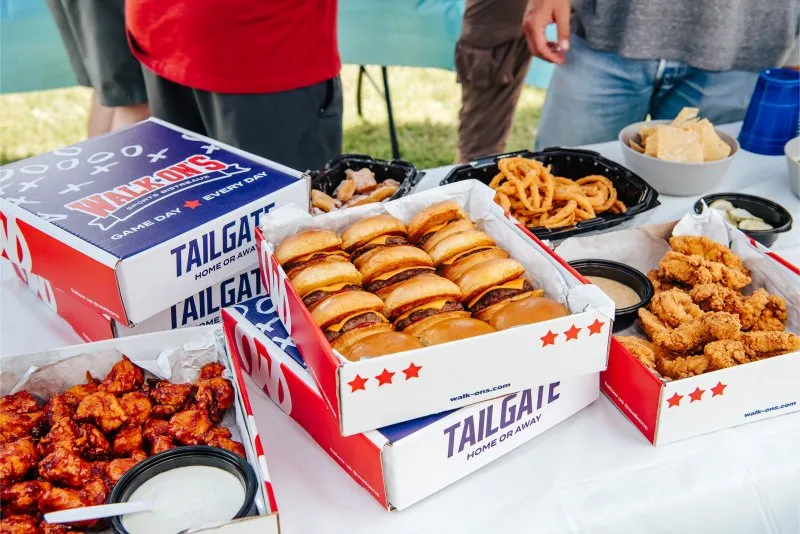
The Gridiron: Elevating the NFL Tailgate Menu
The NFL tailgate is more than just a gathering; it is the ceremonial precursor to the sporting spect... Read More
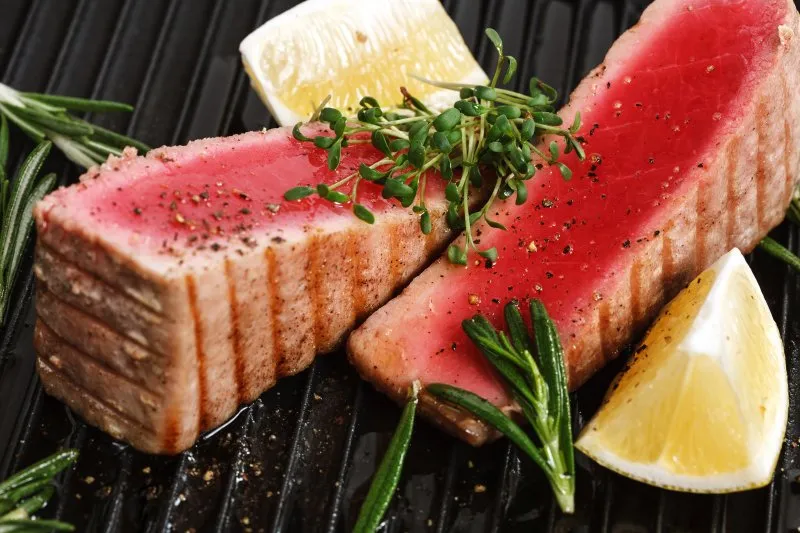
The Culinary Conundrum: A Professional Examination of Chilean Sea Bass Versus Premium Fresh Tuna
In the realm of high-end gastronomy, few ingredients command the same level of prestige, price, and ... Read More
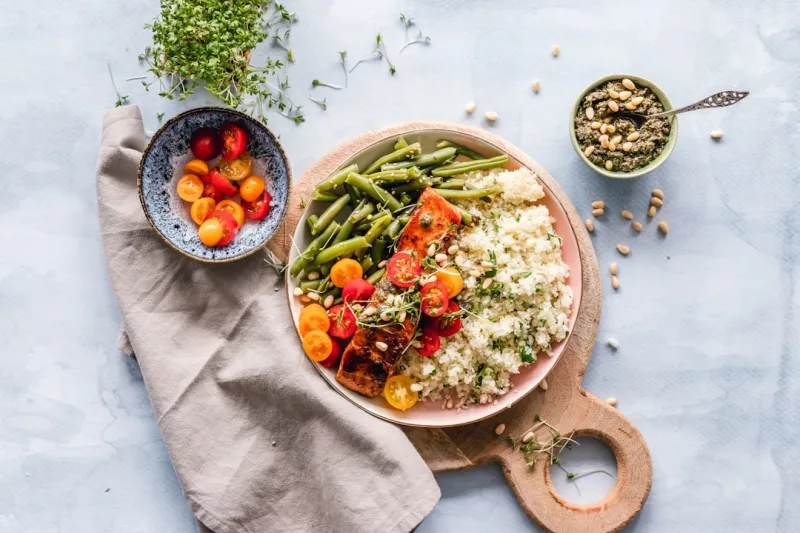
The Healing Power of Food: How Cuisine Can Impact Our Mental Wellbeing
Explore the fascinating world of food and mental health. Learn how certain foods can positively impa... Read More
Top Posts
Dedicated Hosting: The Strategic Backbone for AI‑Ready SaaS Platforms
Dedicated hosting provides the predictable performance, low latency, and security needed for AI‑centric SaaS platforms, enabling cost‑effective scaling and ...Read More
The Quiet Power of Dedicated Hosting for Enterprise Performance
Dedicated hosting offers enterprises predictable performance, airtight compliance, and a greener footprint, making it a strategic choice for mission‑critical ...Read More
Elevate Your Small Space: DIY Vertical Gardens with Recycled Treasures
Learn how to build a stunning vertical garden using reclaimed items, with practical steps, plant selections, seasonal care tips, and sustainability benefits for...Read More

Pet‑Friendly Home Offices: Boosting Productivity and Happiness
A practical guide to designing a home office that welcomes your pets, featuring smart gadgets, ergonomic tips, and digital‑balance strategies to enhance produ...Read More
0 Comments
Post Comment
You will need to Login or Register to comment on this post!