
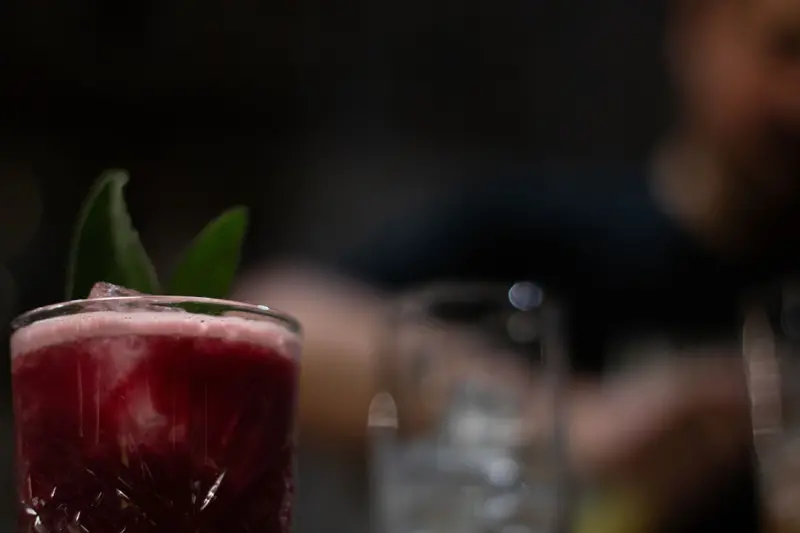
When I first walked into a downtown rooftop bar and watched a group of friends clink colorful, herb‑infused glasses, I felt something shift. It wasn’t just the buzz of conversation or the soft glow of string lights; it was the realization that the next big wave in drinking isn’t about alcohol at all. It’s about botanicals, bold flavors, and the subtle art of crafting experiences that feel indulgent without the hangover.
Why the Mocktail Moment Is More Than a Trend
For years, “non‑alcoholic” carried a stigma of being the bland, watered‑down side‑kick to the real thing. Today, that perception is crumbling under a tide of health‑conscious consumers, millennial and Gen‑Z explorers, and even seasoned executives who need to stay sharp after the 5 p.m. networking hour. The modern mocktail isn’t a compromise; it’s a statement.
Think about it: the same curiosity that drives a foodie to hunt down the perfect umami broth now fuels a desire for layered, aromatic sips that surprise the palate. And unlike the traditional “soft drink” label, these drinks are engineered with the same meticulous attention to balance, mouthfeel, and storytelling that a Michelin‑starred kitchen would demand.
From Garden to Glass: The Rise of Botanical Ingredients
At the heart of this movement is a return to nature. Instead of relying on sugary syrups or generic fruit concentrates, mixologists are sourcing fresh herbs, spices, and even edible flowers directly from local farms. This hyper‑local approach not only supports small growers but also guarantees peak freshness—a crucial factor when you’re building flavor layers that need to sing.
- Herbal Heroes: Basil, rosemary, and sage aren’t just garnish. When muddled correctly, they release volatile oils that add depth akin to a well‑aged spirit.
- Spice Sparks: A pinch of smoked paprika or a dash of pink peppercorn can introduce a subtle heat that lingers, much like a whisper of whiskey.
- Floral Flourish: Lavender, hibiscus, and rose petals contribute aromatic notes that engage the sense of smell—often the most overlooked component of taste.
When I experimented with a rosemary‑infused tonic, I discovered that the herb’s piney character could stand on its own, yet when paired with a splash of fresh grapefruit juice and a drizzle of agave, it created a complex profile that felt both familiar and novel.
The Science of Sensory Balance
Creating a compelling mocktail is part art, part chemistry. The goal is to mimic the three pillars that make alcoholic drinks so satisfying: bitterness, acidity, and body. Here’s a quick cheat sheet for the aspiring home bartender:
- Bitterness: Use ingredients like dandelion root, chicory, or even a dash of bitters (yes, non‑alcoholic bitters exist!). This adds depth and counteracts sweetness.
- Acidity: Citrus juices (lemon, lime, yuzu) or fermented acids (like a splash of kombucha) brighten the drink and sharpen flavors.
- Body: Incorporate natural thickeners such as coconut cream, oat milk, or a small amount of cold‑pressed fruit purée to give the drink a satisfying mouthfeel.
When you balance these elements, the drink feels robust enough to hold its own against a classic cocktail. It’s a science that even responsive personal care enthusiasts can appreciate—both realms rely on precise formulation to deliver a tailored experience.
Storytelling in a Glass
Every great cocktail tells a story, and mocktails are no different. The narrative might center around the farm where the rosemary was harvested, the cultural heritage of the spice blend, or the sustainable practices behind the ingredients. By weaving this tale into the drink menu, establishments can create a deeper connection with patrons.
Imagine a “Midnight Garden” mocktail that highlights lavender and blackberries, with a note about how the lavender was grown in a community garden that practices regenerative agriculture. Customers not only sip a delicious beverage; they become part of a larger conversation about environmental stewardship.
Technology Meets Mixology
While we’re focusing on the tangible ingredients, there’s an undercurrent of tech that’s quietly reshaping the mocktail space. Data‑driven insights are helping bars understand which flavor combinations resonate most with their clientele. This is reminiscent of the way travel data labs turn journeys into actionable intelligence.
Smart inventory systems can track the freshness of herbs in real time, reducing waste and ensuring that every glass served is at peak flavor. Moreover, augmented reality (AR) menus allow guests to visualize the drink’s components before ordering, turning the selection process into an interactive experience.
Building a Mocktail‑Centric Menu
For restaurateurs and bar owners looking to dive into this trend, consider the following roadmap:
- Start Small: Introduce a “Mocktail Hour” with a rotating selection of 3‑5 drinks. This gauges interest without overwhelming the kitchen.
- Source Locally: Partner with nearby farms or community-supported agriculture (CSA) programs. Highlight these partnerships on the menu.
- Train Staff: Ensure bartenders understand the balance of bitter, acid, and body. Offer tasting sessions so they can speak confidently about each drink.
- Leverage Storytelling: Use menu copy to convey the origin, purpose, and flavor journey of each beverage.
- Iterate with Data: Collect feedback through digital tablets or QR‑code surveys. Use the data to refine recipes.
Mocktails in the Corporate World
Beyond the social scene, mocktails are carving out a niche in corporate hospitality. Companies seeking to promote wellness while still offering a “special” beverage for after‑hours networking are turning to sophisticated non‑alcoholic options. These drinks provide the same sense of celebration without compromising productivity.
Imagine a boardroom presentation ending with a round of “Citrus Sage Spritz” – a drink that’s crisp, refreshing, and entirely sober. It signals a forward‑thinking culture that values both enjoyment and responsibility.
Challenges to Watch
While the momentum is undeniable, the mocktail movement does face hurdles:
- Ingredient Consistency: Fresh herbs can vary in flavor from season to season. Establishing reliable supply chains is crucial.
- Consumer Perception: Some still view non‑alcoholic drinks as “lesser.” Ongoing education and high‑quality offerings are needed to shift this mindset.
- Regulatory Landscape: In certain regions, labeling rules for non‑alcoholic beverages are still evolving, which can affect marketing claims.
Addressing these challenges head‑on will only strengthen the credibility of the mocktail sector.
Looking Ahead: The Future of Non‑Alcoholic Sipping
The next frontier? Integration of functional ingredients—think adaptogens, nootropics, and low‑dose botanicals that enhance focus or calm. Pair that with the sensory sophistication we’ve explored, and you have a drink that not only tastes amazing but also supports wellness goals.
In the same vein as the zero‑waste fermentation insights that are reshaping kitchens, the mocktail revolution is redefining the very purpose of what we raise a glass to. It’s no longer about escaping reality; it’s about enhancing it.
So the next time you hear clinking glasses, ask yourself: is the sparkle coming from a gin‑based spirit, or from the bright, botanical brilliance of a mocktail? Either way, you’ll be part of a movement that’s rewriting the rules of indulgence—one herb‑infused sip at a time.

Armed with a degree in English Literature, Jill’s journey into the digital space wasn't just a career move; it was a natural extension of her lifelong love affair with storytelling. While some writers view search engine optimization (SEO) as a rigid constraint, Jill sees it as a creative puzzle. She understands the delicate art of balancing the algorithmic demands of search engines with the human desire for resonance, emotion, and value. To Jill, keywords aren't just targets to hit; they are the breadcrumbs that lead eager readers straight to the answers they’ve been searching for.
Related Posts
The Mystery: Examining the Edibility and Safety of the Green Stuff in Lobster
The American lobster (Homarus americanus) is a globally prized delicacy, heralded for its sweet, suc... Read More
Flavor Pairing Secrets for Home Cooks
Explore the hidden chemistry of taste, learn how to break traditional rules, and build a personal fl... Read More
The Convenience Conundrum: Analyzing the Nutritional Profile and Palatability of Instant Noodle Products
Instant noodle products, often colloquially referred to as "Ramen noodles" or, confusingly, "Roman n... Read More
Top Posts
How To Save Money On Essentials
In an era of fluctuating prices, economic uncertainties, and the ever-present desire for financial stability, learning how to save money on essentials isn't jus...Read More

Recognizing the Most Common Clinical Signs of Lyme Disease in Dogs
Lyme disease, or canine borreliosis, stands as one of the most clinically relevant and geographically widespread vector-borne illnesses affecting dogs globally....Read More

Building Your Modern Safety Shield: A Holistic Approach in a Complex World
In a world of evolving threats, safety transcends traditional boundaries. Robert Mathews shares his insights on a holistic approach to personal security, from d...Read More
Bing SEO Secrets: How SaaS Companies Can Capture Untapped Enterprise Traffic
A deep dive into Bing’s unique ranking factors—enterprise intent, LinkedIn data, and AI semantics—showing SaaS marketers how to audit, optimize, and conve...Read More
0 Comments
Post Comment
You will need to Login or Register to comment on this post!