
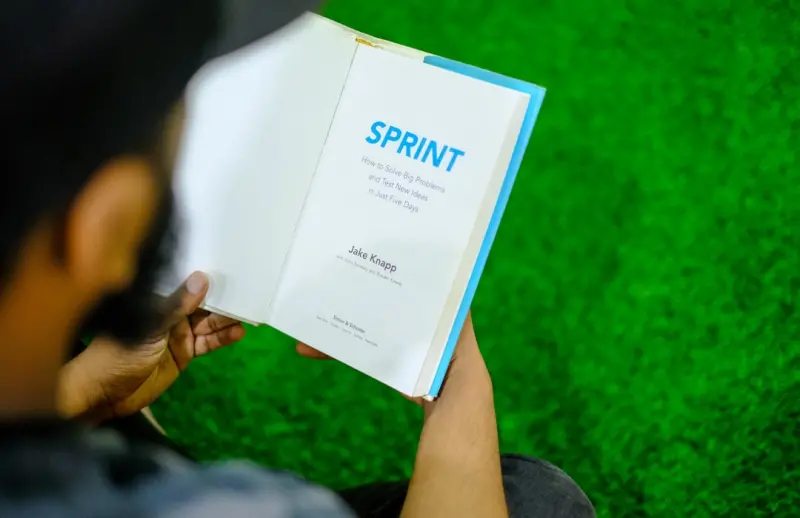
Rethinking Education Through a Creative Sprint Lens
When I first stepped into a classroom as a lifelong learner, I realized that the traditional lesson plan felt more like a marathon than a sprint. Education thrives when it embraces speed, curiosity, and iterative feedback, much like a creative sprint in a design studio. By breaking down complex concepts into bite‑sized challenges, students can experiment, fail fast, and celebrate small wins, fostering a growth mindset that lasts far beyond the school day. This approach also mirrors the way modern marketers operate, where rapid prototyping and data‑driven pivots are the norm. I’ve seen teachers adopt creative sprint marketing tactics to energize lessons, turning static worksheets into dynamic, collaborative quests that keep learners engaged and eager for the next round.
Turning Technology Into a Playful Playground
Technology is no longer a peripheral tool; it’s the sandbox where imagination takes shape. I love watching students transform a simple tablet into a storytelling canvas, or a coding platform into a digital orchestra. When we treat tech as a playground rather than a checklist, we empower learners to explore AI, AR, and data visualization without fear. This playful stance aligns with the philosophy that learning should feel like discovery, not obligation. By integrating devices that adapt to individual pacing, educators can personalize pathways, allowing each child to sprint at their own rhythm while staying aligned with broader curriculum goals.
AI, Intent, and the Future of Learning Experiences
Artificial intelligence is reshaping how we search for knowledge, shifting the focus from keyword matching to intent understanding. In the same way that the next wave of SEO emphasizes user experience, classrooms must prioritize the learner’s intent. When a student asks, “Why does the water cycle matter?” the answer should weave scientific facts with real‑world relevance, connecting climate change, agriculture, and personal responsibility. AI‑driven platforms can surface these contextual pathways, offering adaptive hints and curated resources that match each learner’s curiosity, thereby turning every question into a launchpad for deeper exploration.
Building Community Through Collaborative Sprints
One of the most powerful outcomes of a sprint‑style classroom is the sense of community it creates. When students work in small, cross‑disciplinary teams to solve a problem—be it designing a sustainable garden or crafting a multimedia presentation—they learn to trust each other’s expertise and communicate with clarity. These collaborative bursts mirror the dynamics of modern creative teams, where rapid ideation and shared ownership lead to breakthrough results. By celebrating each group’s progress in real time, educators reinforce the value of collective achievement, turning the classroom into a thriving ecosystem of ideas.
Practical Steps for Teachers to Implement Sprint Thinking
Adopting a sprint mindset doesn’t require a complete overhaul of existing curricula; it starts with small, intentional shifts. First, set a clear, time‑boxed goal for a lesson—say, 20 minutes to prototype a science experiment model. Next, provide limited resources to encourage ingenuity, then allocate a brief reflection period where students share insights and iterate. Finally, use a simple rubric that values process over perfection, highlighting creativity, collaboration, and learning growth. By embedding these micro‑sprints weekly, teachers can cultivate a rhythm of continuous improvement that resonates with students long after the bell rings.
Measuring Impact Without Over‑Analyzing
Traditional assessment often focuses on static scores, but sprint‑based learning calls for dynamic metrics. Instead of a single test, consider portfolio reviews, peer feedback loops, and self‑reflection journals that capture the evolution of ideas over time. These qualitative measures reveal not just what students know, but how they think, adapt, and apply knowledge in novel contexts. By pairing these insights with occasional quantitative checkpoints, educators gain a holistic view of progress, ensuring that the emphasis remains on learning agility rather than rote memorization.
Integrating Intergenerational Learning: Seniors as Creative Mentors
One of my most rewarding experiences has been inviting retirees to co‑teach digital art workshops, turning technology into a shared creative playground. Seniors bring a wealth of life experience and patience, while students offer fresh perspectives on emerging tools. This intergenerational exchange mirrors the collaborative spirit of how seniors can turn technology into a creative playground, enriching both groups. The result is a vibrant learning environment where age becomes an asset, and the classroom feels like a community hub for continuous innovation.
Looking Ahead: The Ever‑Evolving Landscape of Creative Education
The future of education will be defined by its ability to adapt, iterate, and inspire. As new tools emerge—immersive VR field trips, AI‑driven tutoring bots, and blockchain‑verified credentials—educators must remain agile, viewing each innovation as a new sprint opportunity rather than a disruptive threat. By fostering a culture that values rapid experimentation, reflective iteration, and collaborative joy, we prepare learners not just for exams, but for a lifelong journey of curiosity and creative problem‑solving. In this ever‑changing world, the true secret weapon is a mindset that sees every challenge as a chance to sprint forward together.

Steph Sanderson is a Toronto-based freelance writer and content creator with a clear passion: crafting compelling articles. With a dedication to clear, engaging prose and a knack for storytelling, Steph brings a wealth of experience to every project.
Related Posts

Learning at the Speed of Change: Building Adaptive Communities for Modern Professionals
A fresh look at how adaptive learning communities, micro‑learning sprints, and secure edge‑enabl... Read More

The Tangible Edge: Why Handwritten Learning Beats Digital Overload
A deep dive into why the physical act of writing, sketching, and sharing notebooks can dramatically ... Read More

Learning as a Service: Rethinking Professional Development in the Subscription Era
A fresh look at professional development shows why treating learning like a SaaS product—modular, ... Read More
Top Posts
The Untapped Business Value of SaaS Plugin Marketplaces
A plugin marketplace can be a strategic growth engine, boosting network effects, customer stickiness, and innovation. Learn how to design, monetize, and govern ...Read More

Micro-Adventure: Redefining Outdoor Recreation One Tiny Trip at a Time
Micro‑adventure offers a fresh, low‑commitment way to experience nature daily. Learn how smart minimal gear, sensory‑rich trails, and community micro‑hi...Read More

When Science Meets Glam: How AI and Sustainability are Redefining Beauty
The beauty landscape is shifting from mystery formulas to AI‑driven personalization, blockchain‑backed ingredient transparency, and eco‑friendly packaging...Read More

Invisible Storage Solutions for Stylish Homes
Learn how to hide clutter using recessed niches, sliding panels, and low‑code tech, creating a clean, functional home without sacrificing style....Read More
0 Comments
Post Comment
You will need to Login or Register to comment on this post!