

Why the Modern Kitchen Is Turning Into a Smart Hub
When I first walked into my friend’s apartment and saw a refrigerator that talked back, I thought I’d stumbled onto a sci‑fi set. Yet, that moment sparked a deeper curiosity: how are everyday appliances reshaping the way we live, work, and even think about food? In the past few years, the kitchen has morphed from a purely functional space into a data‑rich command center. From ovens that learn your favorite roast profile to dishwashers that schedule themselves around your power‑grid peak, the silent revolution is happening under our countertops.
From Cold Storage to Cloud Storage
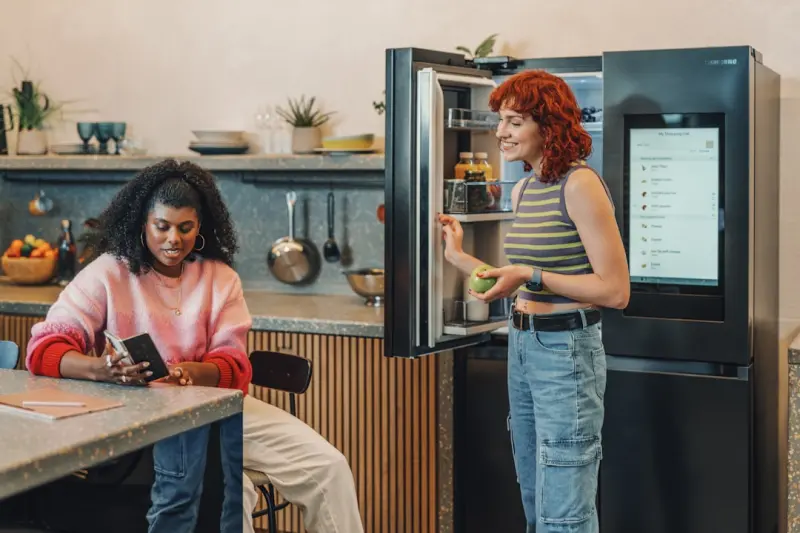
Historically, appliances were isolated, single‑purpose machines. Today, they are gateways to the cloud. A connected fridge can log expiration dates, suggest recipes based on what’s inside, and even place grocery orders when you’re running low. This isn’t just convenience—it’s a shift in how we manage household assets. The device becomes an extension of our memory, freeing mental bandwidth for more creative pursuits like experimenting with new cuisines or planning weekend getaways.
One of the most compelling benefits is waste reduction. By analyzing temperature fluctuations and door‑open patterns, smart refrigerators can adjust cooling cycles to preserve produce longer, cutting food waste by up to 30 %. The data generated is anonymized, aggregated, and fed back to manufacturers, who can then refine insulation standards across product lines. In other words, every appliance is quietly participating in a larger sustainability loop.
Health‑First Appliances: Cooking With Data
Imagine an oven that knows your health goals. You set a target of 1,800 calories for dinner, and the appliance suggests a cooking method—steam, bake, or grill—that preserves nutrients while keeping calories in check. Sensors monitor moisture, temperature, and even the chemical composition of your food, providing real‑time feedback on protein, carbs, and micronutrients.
These insights are not just for the health‑conscious elite. By integrating with wearable health trackers, appliances can personalize cooking instructions for anyone with specific dietary restrictions—think low‑sodium for hypertension or low‑glycemic options for diabetics. The synergy between wearables and kitchen tech is creating a holistic health ecosystem that spans from the wrist to the stovetop.
AI as the Silent Partner in the Kitchen
Artificial intelligence is the invisible hand guiding many of these innovations. AI as a silent partner in the broader tech world mirrors what’s happening at home: machines learning patterns, anticipating needs, and delivering solutions before we even ask. In appliances, this means predictive maintenance alerts, automated energy‑saving modes, and voice‑activated troubleshooting.
For example, a smart dishwasher can analyze water hardness, load size, and the types of dishes to determine the optimal wash cycle, conserving both water and electricity. When a component starts to wear out, the appliance sends a notification to your phone, suggesting a service appointment before the failure becomes disruptive. This proactive approach reduces downtime and extends product lifespans, a win for both consumers and manufacturers.
Connectivity Beyond Wi‑Fi: The Rise of Mesh Networks
Wi‑Fi has been the default conduit for smart appliances, but as the number of devices grows, network congestion becomes a real concern. Enter mesh networking: a decentralized system where each appliance can act as a node, relaying data across the household. This not only stabilizes connections but also improves security, as data travels through multiple encrypted pathways instead of a single router.
Mesh networks also enable appliances to collaborate. Your fridge can tell the oven to preheat when you place a pizza inside, or the coffee maker can start brewing as soon as your alarm goes off, using a shared schedule. This orchestration turns disparate gadgets into a cohesive team, reducing the mental load of managing each device individually.
Design That Listens
Beyond technology, design philosophy is evolving to prioritize user empathy. The sleek, minimalist aesthetic of the past often sacrificed ergonomics for visual appeal. Modern designers are conducting ethnographic research—observing real households, mapping out movement patterns, and gathering feedback on tactile experiences.
Take the new line of induction cooktops that adjust surface temperature based on the size of the pot, preventing scorching while preserving energy. Or the refrigerator door handles that use soft‑touch materials and subtle haptic feedback to confirm a successful opening, reducing unnecessary slamming. These small, thoughtful touches reflect a deeper respect for the rhythm of daily life.
Economic Implications: From One‑Time Purchase to Service Model
While many still view appliances as one‑off purchases, the industry is experimenting with subscription‑based models. Instead of buying a high‑end coffee machine outright, consumers can lease it and receive regular upgrades, maintenance, and even coffee bean deliveries. This model mirrors the broader shift we see in software, turning capital expenditure into operational expense.
The benefits are twofold: households gain access to the latest technology without the upfront cost, and manufacturers secure recurring revenue streams that fund continuous R&D. It also aligns incentives—if the appliance performs poorly, the provider has a vested interest in fixing it quickly to retain the subscriber.
Privacy Concerns: Striking the Balance
With great data comes great responsibility. Smart appliances collect a wealth of personal information—shopping habits, dietary preferences, even daily schedules. Transparency is critical. Leading brands now provide clear privacy dashboards where users can toggle data sharing, export logs, and delete histories with a single tap.
Moreover, edge computing is gaining traction. By processing data locally on the device rather than sending everything to the cloud, appliances can deliver fast responses while minimizing exposure. This hybrid approach offers the best of both worlds: actionable insights without sacrificing privacy.
Future Trends to Watch
- Biometric Integration: Fingerprint or facial recognition could personalize temperature settings, lighting, and even music playlists as you move through the kitchen.
- Zero‑Waste Appliances: Machines that compost food scraps, recycle water, and convert heat waste into usable energy for other devices.
- Cross‑Domain AI: Algorithms that learn from your home office habits—like preferred coffee strength during late‑night coding sessions—and adapt kitchen routines accordingly.
- Modular Design: Appliances built from interchangeable components, allowing upgrades without discarding the entire unit, reducing e‑waste.
Bridging the Gap Between Tech and Lifestyle
Ultimately, the most successful appliances will be those that blend seamlessly into our lives, offering value without demanding attention. They should act as silent assistants—much like the hidden engine that powers many SaaS platforms—delivering results while staying out of the spotlight.
For homeowners, this means a future where the kitchen feels less like a chore zone and more like an intuitive partner that anticipates needs, reduces waste, and enhances well‑being. For brands, it’s an invitation to rethink product roadmaps, embrace data ethics, and design with empathy at the core.
As we stand at the intersection of culinary tradition and digital innovation, the question isn’t “Will we adopt smart appliances?” but “How will we let them elevate the moments we already love about cooking and gathering?” The answer, I believe, will be written one smart fridge beep at a time.

When it comes to the world of blogging and writing, Rose DesRochers is a name that stands out. Her passion for creating quality content and connecting with her audience has made her a trusted voice in the industry. Aside from her skills as a writer and blogger, Rose is also known for her compassionate nature.
Related Posts

When Silence Speaks: How Ultra‑Quiet Appliances Are Transforming Modern Homes
This article dives into the rise of ultra‑quiet appliances, examining their health benefits, engin... Read More
Appliance Subscriptions: The Smart Way to Upgrade Your Home
Explore the rise of appliance subscriptions, a flexible model that offers financial relief, AI‑dri... Read More
The Culinary Popularity of Vitamix Blenders
In the landscape of modern kitchen appliances, few brand names command the almost religious reverenc... Read More
Top Posts

Navigating Love in the Digital Age: A Guide to Building Meaningful Connections
Building meaningful connections in the digital age can be challenging. Learn how to navigate love and relationships in a world where technology dominates our li...Read More

Blogging as a Growth Engine for Modern Brands
Discover how to turn a traditional blog into a lasting growth engine by focusing on interactive experiences, meaningful metrics, community feedback, and a balan...Read More

Beyond the Core: Leveraging Plugins to Accelerate SaaS Growth
A deep dive into building, monetizing, and marketing a robust plugin marketplace that turns a SaaS core into a versatile platform, driving new revenue streams a...Read More

The Quiet Revolution of Sensory Play: Turning Everyday Moments into Brain‑Boosting Adventures
Discover the power of sensory play in everyday life, from simple texture trays to smart safety solutions, and learn how micro‑routines can transform your todd...Read More
0 Comments
Post Comment
You will need to Login or Register to comment on this post!