
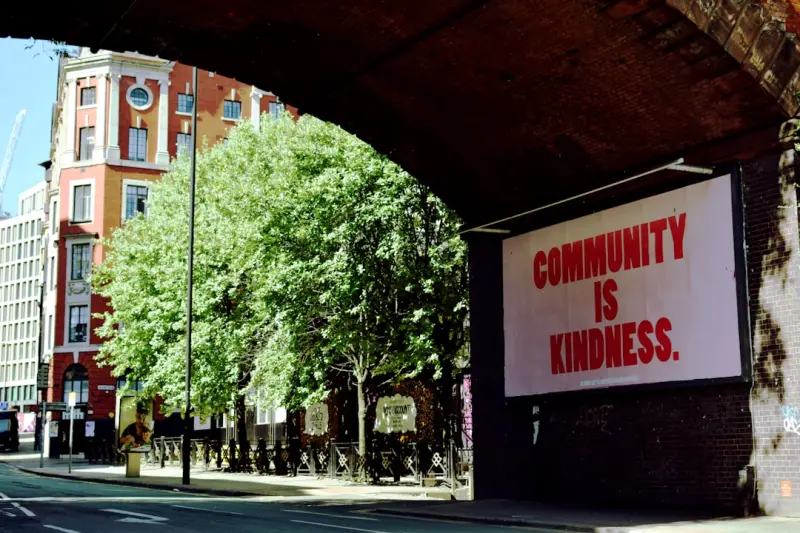
Why Our Streets Need a Refresh
Walk down any bustling avenue in a major city and you’ll hear the same chorus: honking horns, hurried footsteps, and the low‑hum of conversations that never quite settle. It’s a soundtrack that tells us we’re moving forward, but it also whispers that something essential is missing—spaces where people can pause, breathe, and truly connect. This is where pop‑up public spaces step onto the stage, offering a flexible, low‑cost answer to the growing yearning for community in an increasingly digital world.
The Social Void That Pop‑Ups Fill
Modern life is paradoxical. While technology promises connection, many of us feel more isolated than ever. Remote work, algorithm‑driven news feeds, and the gig economy have all shifted social interaction from the neighborhood corner café to a screen that rarely shows the person on the other side of the conversation. A pop‑up park, a temporary art installation, or a weekend farmer’s market can re‑anchor us to the physical world, reminding us that community isn’t just a buzzword—it’s a lived experience.
From Idea to Reality: How Pop‑Up Parks Work
Unlike permanent parks that require years of planning, zoning approvals, and massive budgets, pop‑up spaces thrive on agility. A vacant lot, an underused street corner, or even a parking garage can be transformed in days with portable seating, modular planters, and a dash of creativity. The process typically follows three steps:
- Site Selection: Identify a high‑traffic area that lacks green or gathering space.
- Community Co‑Creation: Involve local residents, businesses, and artists in the design to ensure relevance.
- Rapid Deployment: Use lightweight, reusable infrastructure that can be assembled and disassembled with minimal disruption.
This model not only reduces costs but also empowers neighborhoods to take ownership of their environment.
The Role of Technology: Making Temporary Permanent
While the concept feels low‑tech, modern tools are the hidden backbone of successful pop‑ups. smart sensor networks can monitor foot traffic, air quality, and even sound levels, providing real‑time data that helps organizers tweak the experience on the fly. Imagine a pop‑up garden that adjusts irrigation based on soil moisture sensors, or a pop‑up library that uses occupancy sensors to display wait times on a nearby digital sign. These subtle integrations make the temporary feel thoughtful and purposeful.
Designing for Inclusion and Sensory Comfort
Inclusivity isn’t an afterthought; it’s the foundation of any space that aims to serve a diverse public. By applying sensory‑aware design principles, organizers can create environments that welcome neurodiverse individuals, seniors, and families with young children. Consider gentle lighting that reduces glare, textured seating that offers tactile feedback, and sound‑absorbing materials that keep the space calm without muting the lively buzz of conversation.
Quiet‑Focused Environments: The Unexpected Power of Calm
Noise pollution is a silent stressor in many urban neighborhoods. A pop‑up that prioritizes acoustic comfort can become a sanctuary amid the city’s clamor. Drawing inspiration from ultra‑quiet home appliances, designers are experimenting with quiet‑focused environments—spaces where the only sounds are rustling leaves, distant street musicians, or the soft hum of a wind turbine. These pockets of serenity invite contemplation, reading, or simply a moment of mental reset.
Case Study: The "Green Mile" Initiative
In a mid‑size city’s downtown corridor, a 10‑block stretch of underused parking spaces was transformed into the “Green Mile” during summer months. Volunteers installed modular planters filled with native wildflowers, a series of pop‑up cafés, and an open‑air stage for local musicians. Smart sensors tracked visitor numbers, revealing a 45 % increase in foot traffic compared to the same period the previous year. Surveys showed 78 % of participants felt a stronger sense of belonging to their community after visiting the space.
Measuring Impact: Beyond Footfall
Quantitative metrics like visitor counts and social media mentions are useful, but the real success of pop‑ups lies in qualitative change. Community feedback collected via QR‑code surveys, informal interviews, and neighborhood meetings often highlights:
- Improved mental well‑being reported by regular visitors.
- Strengthened relationships between local businesses and residents.
- Increased participation in civic events and local elections.
When these outcomes align with city planning goals—such as reducing loneliness or encouraging sustainable transportation—the pop‑up model becomes a strategic asset, not just a fleeting novelty.
The Economic Ripple Effect
Pop‑up spaces also serve as low‑risk incubators for small enterprises. Pop‑up markets give artisans and food vendors a platform without the long‑term lease commitments of a brick‑and‑mortar store. In turn, the foot traffic they generate benefits nearby businesses, creating a virtuous cycle of economic activity. Cities that embrace this model have reported a measurable uptick in local sales tax revenue during pop‑up seasons.
Challenges and How to Overcome Them
While the benefits are compelling, there are hurdles to navigate:
- Regulatory Barriers: Permitting can be complex. Early engagement with city officials and clear documentation of safety measures can streamline approvals.
- Funding: Many pop‑ups rely on sponsorships, grants, or crowdfunding. Demonstrating potential ROI—through foot traffic data and community impact studies—helps attract partners.
- Maintenance: Temporary installations still require upkeep. Community stewardship programs, where volunteers adopt sections of the space, distribute the workload and deepen ownership.
The Future: Pop‑Ups as a Platform for Social Innovation
Looking ahead, pop‑up public spaces could become testing grounds for larger societal experiments. Imagine a temporary “civic hub” where residents co‑design local policies, or a pop‑up “digital detox” zone that encourages device‑free interaction. By embedding technology wisely—through sensor feedback, data transparency, and community‑driven insights—these spaces can evolve from simple gathering spots into dynamic laboratories for social change.
Takeaway: Your Neighborhood Can Lead the Way
If you’re a resident, business owner, or city planner reading this, consider the possibilities that lie in a vacant lot, an empty storefront, or a quiet alleyway. With a modest budget, a dash of creativity, and the right data tools, you can spark a movement that redefines how people experience public life. The next time you pass a blank patch of concrete, ask yourself: what could this become?

Laura Wilson is a freelance writer specializing in the dynamic and ever-evolving field of health. With a passion for translating complex medical information into accessible and engaging content, Laura brings a wealth of knowledge and a fresh perspective to topics ranging from preventative care and nutrition to cutting-edge research and innovative treatments.
Related Posts
Why the Sprint Culture Is Redefining Modern Society
A deep dive into the sprint culture sweeping society, its impact on daily life, and practical tips f... Read More

The Quiet Revolution of Hyperlocal Digital Communities
Hyperlocal digital communities are emerging as intimate, trust‑driven hubs that replace traditiona... Read More
Micro‑Communities: Redefining Belonging in Hyperconnected World
Micro‑communities are the quiet revolution redefining how we belong, collaborate, and advocate in ... Read More
Top Posts

Beyond the Grid: Creative Web Design Ideas That Inspire Innovation and Engagement
In the rapidly evolving digital landscape, the distinction between functional necessity and artistic inspiration has blurred. Web design is no longer merely abo...Read More

From Clicks to Conversations: Redefining Google Analytics for B2B SaaS
Turn Google Analytics into a strategic conversation partner by aligning metrics with business goals, fostering a measurement culture, and integrating insights a...Read More

From Trash to Treasure: Building a Zero‑Waste Home with Upcycled Design
Jimmy Anand shares his hands‑on journey turning household waste into chic, functional décor, revealing simple upcycling projects and the mindset that fuels a...Read More

The Erosion and the Profound Burden of Declining Educational Standards
The quality of a nation’s educational system is the truest measure of its future potential. While education reform often dominates political dialogue, a more ...Read More
0 Comments
Post Comment
You will need to Login or Register to comment on this post!