
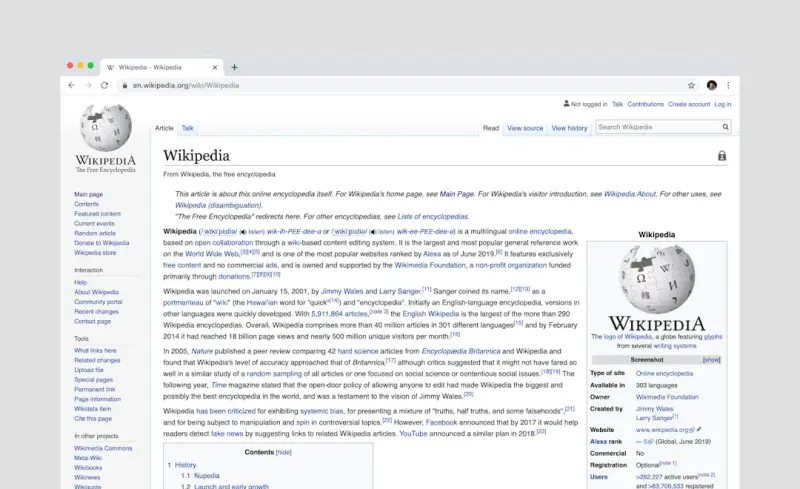
Zero‑Click Search Is Here: Why Your B2B SaaS Content Needs to Win Without a Click
When I first saw a Google SERP that answered a query with a single paragraph, I felt a familiar mix of awe and panic. Awe because the search engine had distilled the essence of a complex topic into a bite‑size nugget, and panic because the traditional click‑through funnel I’d spent years optimizing suddenly seemed obsolete. This is the reality of zero‑click search—a trend that’s reshaping the SEO landscape faster than any algorithm update in recent memory.
Zero‑click search isn’t a gimmick; it’s a logical evolution of user intent. People now expect instant answers. Whether they’re a CTO looking for the latest cloud‑cost optimization metric or a marketer hunting for “best practices for AI‑driven lead scoring,” the answer often lives right on the search results page. For B2B SaaS companies, this means that the battle for visibility has moved from “who gets the click” to “who owns the answer.”
Understanding the Mechanics Behind Zero‑Click SERPs
Google’s AI models—most notably the Knowledge Graph and the newer Multitask Unified Model (MUM)—are trained to surface concise, authoritative snippets. These snippets pull from structured data, featured snippets, “People also ask” (PAA) boxes, and the emerging AI‑generated answer panels. While the exact algorithmic recipe remains a mystery, three signals consistently influence whether your content will appear in a zero‑click slot:
- Content clarity and structure: Pages that answer a question directly, using clear headings, bullet points, and concise language, are favoured.
- Schema markup: Implementing
FAQPage,HowTo, andProductschemas helps search engines parse intent. - Authority signals: Backlinks, domain reputation, and user engagement metrics signal trustworthiness.
Because the snippet itself becomes the user experience, the old “page‑level SEO” mindset must expand to include “answer‑level SEO.”
Why B2B SaaS Is Especially Vulnerable (and Opportunistic)
In B2B SaaS, the buying cycle is long, and the decision makers are data‑driven. They start their journey with research questions that Google now answers before they can click. If your brand isn’t the source of that answer, you lose the chance to shape perception, even if the user later lands on a competitor’s site for deeper research.
On the flip side, owning a zero‑click position can:
- Boost brand recall: Users associate the answer with your brand name, building top‑of‑mind awareness.
- Accelerate the funnel: Even without a click, users often note the domain and later search for it directly.
- Reduce paid acquisition costs: Organic visibility in answer panels can offset the need for expensive search ads.
Crafting Content That Wins the Zero‑Click Game
Below is a pragmatic, step‑by‑step framework that I’ve refined through trial, error, and a healthy dose of analytics.
1. Map High‑Intent, Question‑Based Keywords
Traditional keyword research tools still have value, but you need to filter for question formats (who, what, how, why). Tools like AnswerThePublic, SEMrush’s “Keyword Magic” and Google’s “People also ask” preview can surface these queries. Prioritise those with moderate search volume but high commercial intent, such as “how to reduce churn in SaaS” or “what is a usage‑based pricing model.”
2. Build a “Snippet‑First” Content Architecture
For each target question, create a dedicated, ultra‑focused page or section. The structure should be:
- Answer in one sentence (≤ 30 words). Place this at the top, before any introduction.
- Expand with 2‑3 bullet points. Use numbers or bold text to highlight key takeaways.
- Provide deeper context. A short paragraph (50‑70 words) that elaborates without deviating.
- Link to a comprehensive resource. This could be a whitepaper, case study, or product page.
Google loves this hierarchy because it can pull the exact snippet it needs without parsing through excess fluff.
3. Leverage Structured Data Like a Pro
Implement the relevant schema types:
FAQPagefor collections of related questions.HowTofor step‑by‑step guides (e.g., “How to set up a multi‑tenant architecture”).ProductandOfferfor pricing and feature comparisons.
When you embed JSON‑LD directly into the page’s <head>, you increase the chance that Google will surface your answer as a featured snippet. Remember to validate your markup with Google’s Rich Results Test before publishing.
4. Optimize for Semantic Relevance
Search engines now evaluate the semantic context of your answer. Use related terms, synonyms, and the AI‑powered tool stacks narrative to demonstrate depth. For instance, if you’re answering “What is multi‑factor authentication?”, mention “adaptive authentication” and “zero‑trust models” within the same paragraph.
5. Amplify Authority Signals
Zero‑click positions favour domains that Google trusts. Strengthen authority by:
- Acquiring high‑quality backlinks from industry publications.
- Encouraging employee advocacy (a nod to internal branding tactics).
- Publishing data‑driven case studies that showcase real ROI.
6. Track, Iterate, and Scale
Use Google Search Console’s “Performance” report to monitor impressions and click‑through rates for featured snippets. If a page is ranking but not capturing the snippet, revisit the answer hierarchy, schema, and keyword phrasing. Over time, you’ll identify patterns that inform future content creation.
Case Study: Turning a “Zero‑Click” Threat into a Brand Asset
A mid‑size SaaS platform specialising in employee engagement faced a steep drop in organic traffic after Google rolled out a new AI answer panel for “how to improve employee retention.” Their traditional blog post—an 1,800‑word deep dive—was bypassed entirely. Within two weeks, impressions plummeted by 40%.
Using the framework above, the content team:
- Created a concise “What is employee retention?” page with a one‑sentence answer and a
FAQPageschema. - Embedded a
HowToschema outlining “Three quick wins to boost retention.” - Added internal links to a comprehensive case study, boosting dwell time for users who clicked through.
Result? The new page captured the featured snippet within three weeks, delivering a 25% increase in branded search impressions and restoring organic traffic to pre‑update levels. Moreover, the brand’s name now appears alongside the answer, reinforcing authority.
Beyond Snippets: The Future of Zero‑Click Search
While today’s zero‑click results rely heavily on text snippets, the next wave will incorporate rich media**—interactive charts, short videos, and even AI‑generated summaries that adapt to user context. To stay ahead:
- Invest in human‑centred design that makes micro‑interactions intuitive.
- Experiment with
VideoObjectschema for product demos that could appear in answer panels. - Monitor emerging SERP features like “Google Lens results” for visual queries related to SaaS dashboards.
The ultimate goal isn’t just to appear in a zero‑click slot, but to become the source of truth that Google’s AI trusts to answer questions across devices, languages, and formats.
Practical Checklist for Your Next Zero‑Click Sprint
- ✅ Identify 10 high‑intent, question‑based keywords.
- ✅ Draft concise, 30‑word answers for each.
- ✅ Add bullet‑point expansions and a short contextual paragraph.
- ✅ Implement appropriate schema (FAQ, HowTo, Product).
- ✅ Optimize for semantic relevance using related terms.
- ✅ Strengthen authority with backlinks and internal brand advocacy.
- ✅ Publish, then monitor impressions in Search Console.
- ✅ Iterate based on performance data.
Zero‑click search isn’t a passing fad; it’s the next frontier of search visibility. By re‑architecting your content to answer questions before users click, you not only safeguard traffic but also position your brand as the go‑to authority in an increasingly AI‑driven SERP ecosystem.

Lauren Miller is a true outdoors enthusiast who has found her passion in the trades. When she's not working hard on the job, you can find her writing, camping, fishing, and exploring all that nature has to offer. A dedicated partner to her wife Beth, Lauren loves nothing more than spending quality time together and experiencing the great outdoors side by side.
Related Posts

AI Content Detection: The New SEO Battleground
AI content detection is rapidly becoming a pivotal factor in SEO. This article dives into how detect... Read More

When AI Takes the SERP: Navigating the New Search Frontier
The SERP is evolving into an AI‑powered discovery engine. This post breaks down the new AI‑gener... Read More
The AI‑Driven Evolution of Search: Zero‑Click Strategies for SaaS Brands
Search engines now answer queries before users click. This article explains how SaaS marketers can o... Read More
Top Posts

Mindful Grooming: Turning Everyday Personal Care into a Sensory Ritual
Learn to elevate your personal care routine into a mindful ritual that blends sensory awareness, sustainable choices, nutrition, and tech for healthier skin and...Read More
Edge‑First SaaS: Building Software at the Edge
Edge‑first SaaS moves latency‑critical logic to distributed edge nodes, delivering faster user experiences, compliance benefits, and cost efficiencies. This...Read More
Why Bite‑Sized Learning Is the Future of Corporate Upskilling
Microlearning delivers short, focused lessons exactly when employees need them, boosting retention and performance. Discover how AI, no‑code automation, and d...Read More

Playful Pathways: Turning Safety Training into a Kids’ Adventure
Learn to convert routine safety lessons into interactive quests that captivate kids, using stories, badges, and family play to embed essential protection habits...Read More
0 Comments
Post Comment
You will need to Login or Register to comment on this post!