

Why Internal Branding Is the Secret Sauce You’ve Been Overlooking
When I first walked into a bustling SaaS office and heard the hum of developers, sales reps, and support engineers chatting about the same product, I sensed something powerful brewing—the brand was already alive inside those walls. Too often, B2B companies treat branding as a glossy external campaign: a new logo, a slick website, a handful of social posts. The truth, however, is that the most authentic brand experiences start inside the organization and spill outward like a well‑kept secret.
The Difference Between “Brand” and “Internal Brand”
Think of a brand as a promise made to the market. An internal brand is the promise made to every employee, contractor, and partner who lives the brand daily. When the internal promise aligns with the external one, you get a cohesive narrative that customers can feel, not just see.
- External brand: Logos, taglines, market positioning, and advertising.
- Internal brand: Culture, rituals, language, and the everyday actions that embody the brand values.
When the two are out of sync, customers notice the dissonance. They might love your product but feel the company is “all talk and no action.” Conversely, a synchronized internal brand turns every employee into a brand ambassador, amplifying reach without spending a dime on media.
Four Pillars of a Thriving Internal Brand
From my experience consulting with fast‑growing SaaS firms, I’ve identified four pillars that keep the internal brand engine humming.
- Purpose‑Driven Narrative – It’s not enough to say “We solve problems.” Explain why you exist beyond profit. A purpose that resonates emotionally creates a shared sense of mission.
- Consistent Language – Every team should speak the same brand vocabulary. From product descriptions to support scripts, the language should echo the brand’s tone and values.
- Empowering Rituals – Celebrate wins, share customer stories, and host “brand moments” that reinforce the promise. Rituals make abstract values tangible.
- Feedback Loops – Your employees are the best source of truth about how the brand lives. Regular pulse surveys and open forums surface gaps before they become public failures.
From Theory to Practice: A Step‑by‑Step Blueprint
Here’s how you can start building an internal brand that feels as vibrant as the product you sell.
1. Audit the Current Culture
Begin with a candid cultural audit. Ask questions like:
- What three words would you use to describe our company?
- Do you feel proud to tell a friend you work here?
- Which brand values do you see reflected in your day‑to‑day work?
Collect both quantitative data (survey scores) and qualitative anecdotes (stories from the front lines). The goal is to surface the “brand gap” – the difference between intended brand values and lived experience.
2. Craft a Purpose‑First Brand Manifesto
Take the audit insights and co‑create a concise manifesto with a cross‑functional team. Keep it under 200 words, focus on purpose, and use vivid, human language. Example:
“We empower businesses to turn data into decisive action, so every decision feels like a partnership with the future.”
This statement becomes the North Star for every internal communication.
3. Embed the Brand in Everyday Tools
Integrate brand language into the tools your team uses daily—Slack channels, ticketing systems, onboarding portals, and even code repositories. A simple “brand‑aligned” tag in Jira or a custom emoji can keep the conversation top of mind.
4. Train, Then Trust
Hold immersive workshops that go beyond PowerPoint slides. Use role‑playing, scenario planning, and storytelling to help employees live the brand. After the training, give them autonomy to interpret the brand in their own contexts. Trust breeds authenticity.
5. Celebrate Brand Moments Publicly
Whenever a customer shares a success story that reflects your brand promise, turn it into a celebration. Post it on the internal newsletter, feature it in a “Brand Wins” Slack channel, and reward the team involved. These rituals reinforce the link between employee effort and brand impact.
6. Measure Impact Rigorously
Track internal brand health alongside external metrics. Key indicators include:
- Employee Net Promoter Score (eNPS)
- Brand alignment scores from quarterly surveys
- Customer referral rates (often a direct result of employee advocacy)
When you see a rise in eNPS and a dip in churn, you have evidence that the internal brand is fueling market success.
Case Study: Turning Support Engineers into Brand Champions
One of my favorite projects involved a mid‑size B2B SaaS company whose support team handled over 5,000 tickets a month. The external brand promised “instant, frictionless solutions,” yet support agents felt they were “fire‑fighting” without a clear brand narrative.
We introduced a Brand Alignment Sprint:
- Developed a short, punchy brand promise: “We make data decisions feel effortless.”
- Created a “Brand Moment” badge for tickets that exemplified the promise.
- Implemented weekly “Story Share” calls where agents narrated how they turned a frustrated user into a brand advocate.
Within three months, the team’s eNPS jumped from 32 to 58, and the company saw a 12% increase in Net Revenue Retention. The support agents weren’t just solving problems—they were living the brand, and customers felt it.
Linking Internal Branding to Broader Strategies
While internal branding is a powerhouse on its own, it also amplifies other strategic initiatives. For instance, if you’re already investing in data‑driven storytelling, an aligned internal brand ensures every employee can translate raw data into compelling narratives that resonate with your audience. Similarly, the principles from human‑centric branding can be adapted internally: focus on the human experience of your team as much as the external user.
Common Pitfalls and How to Avoid Them
Even with the best intentions, many companies stumble when rolling out internal branding. Here are three traps I see repeatedly, and quick fixes for each.
Pitfall #1: One‑Size‑Fits‑All Messaging
Assuming a single brand message will resonate across product, sales, and engineering leads to dilution. Solution: Tailor the core promise into “brand lenses” for each department—e.g., “Product: Build tools that make data feel intuitive” vs. “Sales: Show prospects how decisions become effortless.”
Pitfall #2: Treating Branding as a One‑Time Project
Brands evolve. If you launch a manifesto and never revisit it, relevance fades. Solution: Schedule quarterly “brand health checks” and iterate the manifesto based on feedback and market shifts.
Pitfall #3: Ignoring the Quiet Contributors
Often the most vocal teams dominate brand discussions, sidelining back‑office staff or remote workers. Solution: Ensure representation from all functions in brand workshops, and create a digital “Brand Voice” board where anyone can contribute ideas.
Future‑Proofing Your Internal Brand
As technology accelerates, the line between internal and external brand experiences blurs. Remote work, AI‑augmented tools, and global teams mean your brand must be digitally resilient. Here are three forward‑looking practices:
- AI‑Enabled Onboarding: Use AI chatbots to guide new hires through the brand manifesto, answer FAQs, and personalize learning paths.
- Virtual Brand Hubs: Create an immersive, gamified space where employees can explore brand stories, watch customer videos, and earn “brand champion” badges.
- Data‑Driven Pulse Checks: Leverage sentiment analysis on internal communication channels to detect shifts in brand perception before they become crises.
By embedding these practices, you ensure your internal brand remains a living, breathing entity—ready to adapt as your market evolves.
Wrapping Up: Your Next Action Steps
Building a vibrant internal brand isn’t a “nice‑to‑have” checkbox; it’s a strategic imperative that fuels growth, loyalty, and differentiation in a crowded SaaS landscape. Here’s a quick cheat sheet to get you started today:
- Run a rapid cultural audit (30‑minute pulse survey).
- Co‑create a one‑sentence purpose statement with a cross‑functional team.
- Embed brand language into at least two daily tools (e.g., Slack, ticketing).
- Host a 90‑minute brand immersion workshop.
- Launch a “Brand Wins” channel and reward the first three stories.
- Set a quarterly review cadence for brand health metrics.
Remember, the most powerful brand ambassadors aren’t the marketers—they’re the engineers who solve bugs with a smile, the sales reps who genuinely believe in the promise, and the support agents who turn a frustrated call into a rave review. When you empower them with a clear, purpose‑driven internal brand, you unleash a ripple effect that can’t be bought, only earned.

When it comes to the world of blogging and writing, Rose DesRochers is a name that stands out. Her passion for creating quality content and connecting with her audience has made her a trusted voice in the industry. Aside from her skills as a writer and blogger, Rose is also known for her compassionate nature.
Related Posts
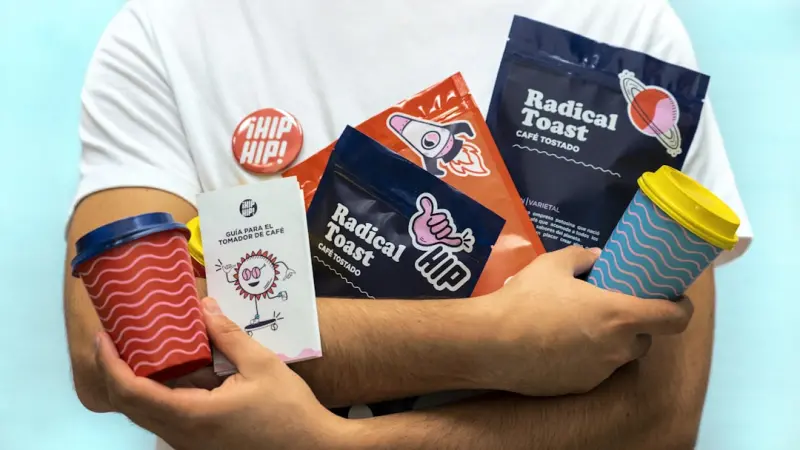
Building a Human‑Centric Brand for Distributed SaaS Teams
A fresh look at branding: strategies for SaaS companies to create authentic, purpose‑focused ident... Read More

Branding Beyond Features: Crafting a SaaS Identity That Resonates
Discover a strategic approach to SaaS branding that aligns product suites, narrative spine, and comm... Read More

Dynamic Brand Systems: How APIs are Redefining Consistency
Brands are moving from static guidelines to API‑powered engines that serve logos, colors, copy, an... Read More
Top Posts

Cleaning the Air You Breathe: A Practical Guide to Eco‑Friendly Home Care
A comprehensive, practical guide shows how swapping traditional cleaners for simple, natural solutions can lower indoor pollutants, reduce plastic waste, and bo...Read More

Layered Textiles: A Playful Blueprint for Turning Tiny Rooms Into Cozy Havens
A guide to using textures, patterns, and personal story pieces to turn small living spaces into inviting, stylish sanctuaries through layered textiles....Read More

Playful Conflict: How a Little Friction Fuels Lasting Love
Learn why a little friction, approached with curiosity and humor, can be the secret ingredient for lasting love and deeper connection....Read More

Beyond Passwords: Building a Human‑Centric Security Culture
Explore the shift from static passwords to a culture where people, technology, and sustainability unite to fortify digital defenses....Read More
0 Comments
Post Comment
You will need to Login or Register to comment on this post!