

Why Traditional Brand Playbooks No Longer Fit the Distributed SaaS Landscape
When I first stepped into the SaaS world, the branding rulebook felt static—logos, color palettes, and a tagline that could be printed on a tote bag. Fast‑forward a few product releases and a pandemic‑induced shift to distributed workforces, and that rulebook is gathering dust. The modern SaaS buyer isn’t just evaluating features; they’re scanning for authenticity, cultural alignment, and a sense of belonging that transcends the screen.
In this post, I’ll walk you through a human‑centric branding framework that acknowledges the realities of geographically dispersed teams, the rising importance of purpose, and the need for a brand that lives inside the product, not just on the landing page.
The Core Misalignment: Brand Messaging vs. Distributed Experience
Most SaaS companies still treat brand as a top‑down, marketing‑only function. The result? A glossy website that promises “seamless collaboration” while the internal Slack channels are a maze of time‑zone chaos and siloed decision‑making. The dissonance shows up in three ways:
- Talent Attrition: Prospects hear a brand promise of “team‑first culture” but experience fragmented onboarding.
- Customer Churn: Users feel the product is “built for a single‑office mindset,” causing friction when they work from home or different continents.
- Market Differentiation Loss: Competitors who embed brand values into their remote processes win the trust battle.
The solution isn’t a new logo; it’s a brand that operates at the same speed and scale as your distributed teams.
Introducing the Human‑Centric Brand Architecture (HCBA)
Think of HCBA as a living blueprint with four interlocking pillars:
- Purpose Engine: The why that powers every decision, from hiring to feature prioritization.
- Culture Mirror: Transparent rituals and communication norms that reflect brand promises outward.
- Product Voice: The tone, language, and micro‑interactions that embed brand personality inside the UI.
- Community Amplifier: Structured pathways for users to co‑create, give feedback, and become brand ambassadors.
Each pillar must be designed with distributed realities in mind—time‑zone independence, asynchronous collaboration, and cultural nuance.
1️⃣ Purpose Engine: From Aspirational Slogan to Actionable Compass
Start with a concise purpose statement (no more than 12 words) that can be answered with a single actionable question: “What does success look like for our customers this quarter?” For example, “Empower every remote team to innovate without friction.” This purpose should be:
- Embedded in OKRs across product, engineering, and support.
- Referenced in every recruitment ad and onboarding deck.
- Measured via a purpose‑aligned KPI, such as “time to first value for distributed users.”
When purpose becomes a metric, it stops being a feel‑good statement and starts guiding budget allocations, feature roadmaps, and even the design system.
2️⃣ Culture Mirror: Align Internal Rhythm with External Promise
Distributed teams often suffer from “meeting fatigue” and “communication lag.” To keep the brand promise of “team‑first culture,” you need concrete cultural artifacts:
- Async‑First Rituals: Weekly “Story Sync” videos where product leads share user anecdotes, allowing team members across time zones to comment at their convenience.
- Transparent Decision Logs: Publicly accessible documents that capture why a feature was built—or shelved—mirroring the brand’s honesty.
- Distributed Onboarding Playbooks: Interactive checklists that guide new hires through the brand’s values, using real‑world examples from different regions.
These rituals serve as a mirror—the internal culture reflects outward, reinforcing the brand’s authenticity.
3️⃣ Product Voice: Make the UI Speak Your Brand
Brand voice isn’t just copy on the homepage; it lives in every tooltip, error message, and loading animation. To align product voice with a human‑centric brand:
- Microcopy Audits: Review every piece of text for tone consistency—friendly, supportive, and inclusive.
- Localized Tone Guides: Provide regional teams with adaptable phrasing that respects cultural idioms while staying on brand.
- Emotion‑Driven UX: Use subtle animations to celebrate milestones (e.g., a confetti burst when a user completes a workflow), turning functional moments into brand moments.
When users feel heard by the product itself, brand loyalty deepens.
4️⃣ Community Amplifier: Turn Users into Co‑Creators
Traditional SaaS branding treats users as passive consumers. The HCBA flips that script by inviting users into the brand narrative. Consider these tactics:
- Beta Ambassador Programs: Invite power users from different continents to test features early and co‑author release notes.
- Co‑Creation Workshops: Host asynchronous design sprints on platforms like Miro, where users can drop ideas, vote, and see their impact in real time.
- Brand Storytelling Hub: A public feed where customers share how the product solved a distributed‑team challenge, curated by your community team.
These initiatives turn satisfaction into advocacy, giving your brand a human echo chamber that scales.
Integrating Data: The Bridge Between Brand and Growth
Even the most heartfelt brand needs data validation. While we’re focused on branding, the metrics that matter are surprisingly similar to growth metrics:
- Purpose Alignment Score: Survey employees quarterly on how well they feel the purpose is reflected in daily work.
- Culture Health Index: Track async engagement rates, meeting length trends, and cross‑region collaboration frequency.
- Product Voice NPS: Add a micro‑question after support interactions: “Did the tone of our response feel on‑brand?”
- Community Contribution Ratio: Measure the proportion of feature requests that originate from community co‑creation programs.
These data points feed back into the HCBA, ensuring the brand evolves with the organization.
Case Study: Aligning Brand and Distributed Reality
One of our SaaS clients, a collaborative document platform, struggled with churn in APAC markets. Their brand promised “global collaboration,” yet their support hours were US‑centric, and onboarding videos lacked regional context.
Applying the HCBA, they:
- Re‑crafted their purpose to “Enable any team, anywhere, to create together effortlessly.”
- Implemented async onboarding webinars recorded in multiple languages, with a shared decision log for feature rollouts.
- Adjusted error messages to include culturally neutral language and added a friendly “We’ve got you covered” animation.
- Launched a “Regional Champions” program where local power users co‑authored product roadmaps.
The result? A 22% reduction in churn over six months, and a 15% lift in Net Promoter Score from APAC customers. The brand wasn’t just a promise—it became an operational reality.
Practical Steps to Kickstart Your Human‑Centric Brand Journey
If you’re ready to shift from a static brand to a living, distributed one, follow this three‑phase roadmap:
- Discovery Sprint (2 weeks): Conduct purpose workshops with leadership, map existing cultural rituals, and audit product microcopy.
- Design & Align (4 weeks): Draft the HCBA pillars, create a purpose‑aligned KPI dashboard, and prototype async cultural artifacts.
- Rollout & Iterate (ongoing): Launch the new purpose statement, embed microcopy changes, open community co‑creation channels, and review metrics monthly.
Remember, the journey is iterative. Your brand will evolve as your distributed teams grow, and that’s a strength, not a weakness.
Leveraging Existing Knowledge: Connecting the Dots
While this post focuses on branding, you’ll find that many of our other deep dives can inform specific pillars of the HCBA. For instance, understanding how AI can accelerate decision‑making helps you build faster purpose‑aligned processes. Likewise, turning analytics into a growth engine (Turning Google Analytics Into a SaaS Growth Engine) provides the data backbone you need to measure brand health.
Conclusion: Brand as a Living System, Not a One‑Off Project
In the distributed SaaS era, brand is no longer a static asset—it’s a dynamic system that must breathe through purpose, culture, product, and community. By adopting the Human‑Centric Brand Architecture, you create a brand that doesn’t just look good on a slide deck; it lives in every async chat, every localized onboarding video, and every user‑generated story.
Start small, measure relentlessly, and let the feedback loop from your distributed teams shape the next iteration of your brand. When the brand and the people who embody it move in lockstep, growth follows naturally.

Tyler Johnson is a seasoned freelance writer with a keen eye for detail and a passion for crafting compelling narratives. His years of experience have honed his ability to adapt his style to suit diverse client needs and project requirements.
Related Posts

Neurobranding: Wiring SaaS Brands Directly Into the Brain
Neurobranding merges neuroscience with SaaS branding, using color, micro‑interactions, sound, and ... Read More

Future‑Proof Your Brand with Data‑Driven Storytelling
Learn how to turn every customer interaction into a brand moment by leveraging data, AI, and microâ€... Read More
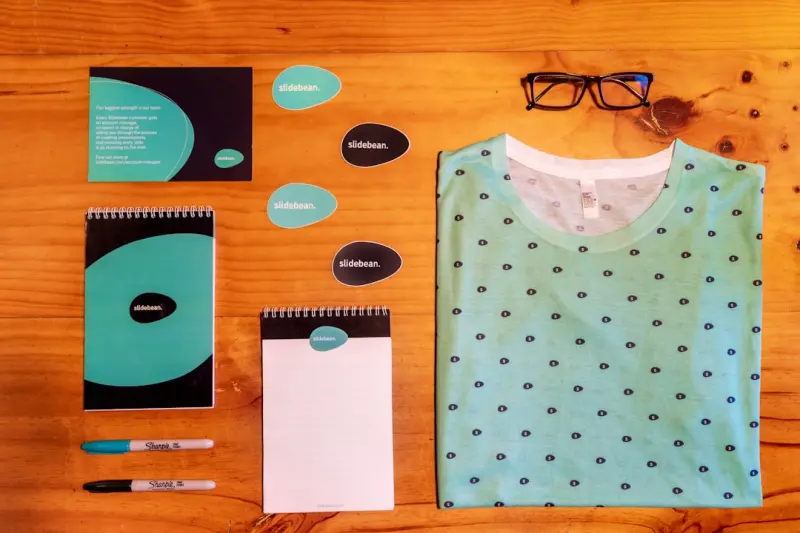
Reimagining Brand Identity in the Age of Distributed Teams
In a world where SaaS teams are globally distributed, brand consistency becomes a strategic necessit... Read More
Top Posts

Beyond Branded Swag: Crafting Meaningful Gifts for Modern Teams
Explore a fresh approach to corporate gifting that goes beyond generic swag, focusing on personalization, timing, and experiential value to boost employee engag...Read More

Community‑First Social Media: Turning Conversations into a Growth Engine
Learn why shifting from follower count to community engagement is the new growth catalyst, and get a step‑by‑step roadmap to turn social conversations into ...Read More

Sustainable Gaming: How Players and Studios Can Level Up the Planet
Sustainable gaming isn’t just a trend; it’s a necessary evolution. Discover practical steps for players, studios, and hardware makers to lower energy use, e...Read More

The 15 Best GEO Agencies for B2B SaaS
In the hyper‑competitive world of B2B SaaS, every lead, every conversion, and every retention metric matters. While product excellence and pricing strategy ar...Read More
0 Comments
Post Comment
You will need to Login or Register to comment on this post!