

Why the Gift Economy Is the Secret Weapon for Thriving Teams
In the age of endless virtual meetings and digital handshakes, the humble act of giving a gift has quietly become a strategic lever for building trust, boosting morale, and sharpening a company’s competitive edge. Yet most organizations still treat gifting like a checkbox—ordering generic swag in bulk, tacking a logo onto a coffee mug, and hoping the gesture lands somewhere between “nice” and “forgettable.” The reality is far richer.
The Gift Gap: Where Traditional Approaches Miss the Mark
Think about the last time you received a corporate gift. Was it a pen that you’ll never use? A tote bag that already lives in a closet? If you’re nodding, you’ve experienced the gift gap—the space between intent and impact. The gap exists for three main reasons:
- Lack of personalization. Mass‑produced items ignore the recipient’s role, interests, and work style.
- Misaligned timing. Sending a “holiday” box in the middle of a product launch can feel tone‑deaf.
- Missing the experiential layer. Physical objects alone rarely create lasting memories without an accompanying experience.
Closing this gap requires a shift from “what can we ship?” to “what will genuinely delight and reinforce our shared purpose?”
Designing Gifts That Speak to the Human Side of Work
Modern employees crave meaningful connection. They want to feel seen, valued, and part of something larger than the quarterly numbers. A well‑crafted gift can satisfy all three by weaving together three pillars:
- Relevance to the role. A data‑science team might appreciate a subscription to a niche analytics newsletter, while a design crew could love a curated set of sketching tools.
- Reflection of personal interests. Leverage internal surveys or informal Slack polls to discover hobbies—be it gardening, indie gaming, or coffee brewing.
- Alignment with company culture. If your brand champions sustainability, opt for eco‑friendly items; if you’re a fast‑moving startup, think about experiences that fuel creativity, like a virtual improv workshop.
From Tangible to Digital: Expanding the Gift Toolbox
The digital era has exploded the types of gifts you can deliver without ever touching a shipping label. Consider these categories:
- Learning experiences. Offer a seat in a masterclass, a year’s access to a skill‑building platform, or a learning café session tailored to emerging tech trends.
- Well‑being subscriptions. From meditation apps to ergonomic home‑office accessories, these gifts signal that you care about the whole person, not just the output.
- Digital collectibles. NFTs or limited‑edition digital art can create a sense of exclusivity and serve as a conversation starter in virtual watercooler chats.
- Personalized content kits. Curate a playlist, a reading list, or a set of custom‑written poems that echo the recipient’s passions.
Data‑Driven Personalization Without Being Creepy
Personalization doesn’t have to feel invasive. By analyzing publicly shared information—like LinkedIn posts, internal hobby channels, or voluntary interest surveys—you can build a simple profile that informs gift selection. The trick is to keep the data collection transparent and opt‑in. When done right, the result is a gift that feels like a “you‑got‑this‑just‑for‑you” moment rather than a data‑mining exercise.
Timing Is Everything: The Gift Calendar
Strategic timing amplifies impact. Map out a gift calendar that aligns with key milestones:
- Project completions. Celebrate the delivery of a major feature with a surprise “thank you” box that includes a handwritten note from the product lead.
- Work anniversaries. Instead of a generic “X‑year” badge, pair a thoughtful gift with a snapshot of the employee’s growth journey within the company.
- Company‑wide events. Use product launches or quarterly earnings calls as opportunities to distribute a limited‑edition item that reinforces the narrative you’re sharing with the market.
When gifts intersect with moments of pride and achievement, they become part of the story, not a footnote.
Case Study: Turning a Remote Team Into a Cohesive Community
One fast‑growing SaaS firm faced a high turnover rate among its remote engineers. The leadership decided to pilot a “gift‑first” initiative. Here’s what they did:
- Conducted a brief, anonymous survey asking engineers about their favorite non‑work activities.
- Partnered with a boutique coffee roaster to send a curated “brew kit” that included beans from the recipient’s preferred flavor profile, a personalized mug, and a QR code linking to a virtual coffee‑tasting session.
- Coupled the physical kit with a virtual learning module on advanced debugging techniques, chosen based on the engineer’s self‑identified skill gaps.
Within three months, the team’s Net Promoter Score (NPS) rose by 22 points, and voluntary turnover dropped by 15%. The gifts didn’t just make engineers happy; they reinforced a culture of continuous growth and personal acknowledgment.
Budgeting for Impact: The ROI of Thoughtful Gifting
It’s easy to dismiss gifting as an expense, but when measured against employee engagement, retention, and referral rates, the return can be substantial. Here’s a simple framework:
| Metric | Typical Impact |
|---|---|
| Employee Net Promoter Score (eNPS) | +10–15 points after a well‑timed gift |
| Referral hires | Increase of 5–8% per quarter |
| Retention (first 12 months) | Improvement of 3–5% when gifts align with personal interests |
Even a modest $50 per employee, when strategically allocated, can yield a multi‑fold financial upside through reduced recruiting costs and higher productivity.
Practical Steps to Launch Your Gift Strategy
Ready to turn gifting from a afterthought into a strategic asset? Follow this 5‑step playbook:
- Map the moments. Identify 3–5 key touchpoints in the employee lifecycle where a gift would amplify the experience.
- Gather insights. Use low‑friction surveys, interest channels, and voluntary data to build simple preference profiles.
- Curate a mix. Balance tangible items (eco‑friendly merch, tech accessories) with experiential offers (online classes, wellness subscriptions).
- Automate delivery. Set up workflows in your HR or CRM system to trigger gift shipments automatically at the defined moments.
- Measure and iterate. Track engagement metrics, solicit feedback on the gifts themselves, and refine the mix each quarter.
Future‑Proofing: Gifting in an AI‑Enhanced Workplace
As AI tools become more embedded in daily workflows, the opportunity to hyper‑personalize gifts will grow. Imagine an AI assistant that scans a colleague’s recent project contributions and suggests a relevant learning resource paired with a physical token that celebrates that achievement. The technology will make the process smoother, but the core principle remains: gifts should always be rooted in genuine appreciation, not algorithmic gimmickry.
Closing Thoughts
The gift economy is more than a morale booster; it’s a silent driver of culture, loyalty, and brand advocacy. By moving beyond generic swag, aligning gifts with personal and professional aspirations, and timing them to coincide with moments of pride, companies can transform a simple gesture into a powerful strategic advantage.

Sanji Patel is a Staff Writer at Blogging Fusion and a globally recognized SEO consultant with 25 years of industry experience. He specializes in delivering comprehensive technical and editorial SEO services to news publishers worldwide. Sanji frequently shares his insights as a speaker at international conferences and delivers annual guest lectures at local universities.
Professional Profile
- Current Role: Staff Writer at Blogging Fusion.
- Core Expertise: Technical and editorial SEO strategy.
- Target Audience: Global news publishers and digital media outlets.
- Industry Experience: 25 years of dedicated SEO consultancy.
- Public Engagement: International conference speaker and university guest lecturer.
Related Posts
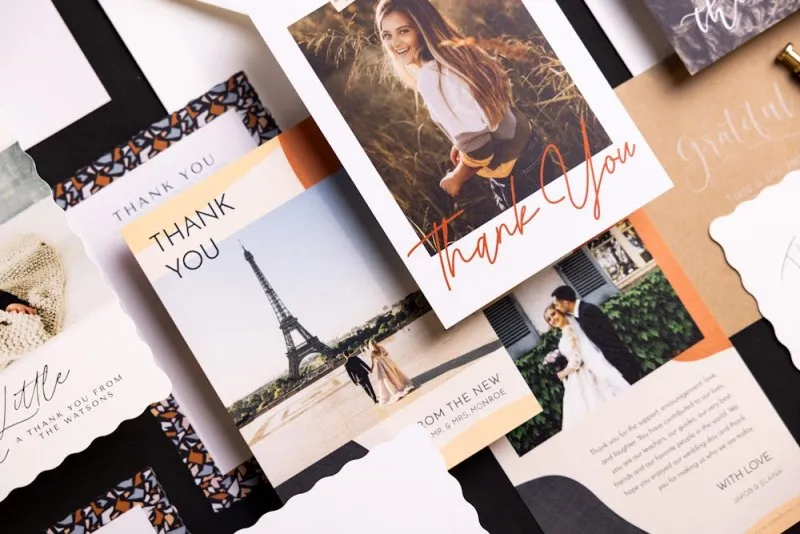
How to choose the perfect personalized thank you card
In an increasingly digitized world, the genuine warmth of a handwritten thank you note stands out as... Read More

Unexpected Gift Ideas That Turn Moments into Memories
Explore innovative gift concepts that go beyond the usual, from curated experiences to eco‑friendl... Read More

The Secret Power of Curated Experience Gifts
Turn ordinary celebrations into unforgettable memories with experience‑focused gifts that speak to... Read More
Top Posts

Is WPC Decking Worth it?
The allure of an inviting outdoor living space is undeniable, serving as an extension of our homes and a sanctuary for relaxation and entertainment. At the hear...Read More
The Unseen Architect: Building Your Digital Empire with Advanced SEO Strategies
Dive deep into advanced SEO strategies with Steph Sanderson. Learn to navigate evolving search landscapes, master technical foundations, and craft compelling co...Read More

The Laptop Revolution: How My Portable Powerhouse Fuels Creative Freedom
Rose DesRochers reveals why a sleek, portable laptop is the ultimate creative ally, blending performance, battery life, and security to keep ideas flowing anywh...Read More

The Definitive Guide to Pediatric Head Concussions in Youth Outdoor Sports
The participation of children in outdoor sports provides invaluable benefits, fostering physical fitness, teamwork, and discipline. However, the inherent physic...Read More
0 Comments
Post Comment
You will need to Login or Register to comment on this post!