

Reimagining Your Digital Afterlife: Building a Legacy That Works for Tomorrow
When I first heard the phrase “digital legacy,” I pictured a dusty attic filled with old hard drives and forgotten usernames. The reality is far richer—and far more urgent. In a world where our professional footprints are woven into cloud services, collaborative platforms, and AI‑generated content, the way we curate, protect, and pass on that digital footprint can define the impact we leave behind.
As someone who has spent years helping B2B teams navigate the complexities of SaaS ecosystems, I’ve watched colleagues treat their online presence as an afterthought—until a sudden account lockout or a partner’s departure forces them to scramble for answers. The result? Lost data, fractured brand narratives, and missed opportunities to extend the value of work that should have lived on.
Today, I want to share a framework that lets you turn that invisible residue into a purposeful, shareable, and secure digital inheritance. It’s not just about storing files; it’s about shaping the story, the relationships, and the knowledge you’ve built so they continue to serve both your organization and the people you care about long after you log off for the last time.
The Three Pillars of a Thoughtful Digital Legacy
Think of your digital legacy as a three‑layered foundation:
- Content Continuity: The body of work you’ve created—whitepapers, code snippets, design systems, client proposals—organized so future stakeholders can locate and reuse it effortlessly.
- Relationship Mapping: The network of contacts, collaborations, and community ties that give context to your content and keep the conversation alive.
- Access Governance: The policies, permissions, and authentication mechanisms that safeguard your assets while ensuring they can be handed over securely.
When these pillars are aligned, your digital footprint becomes a living resource rather than a static archive.
1. Curate Content Like You Curate a Museum Exhibit
Imagine stepping into a museum where every artifact is labeled, illuminated, and placed with intention. Your digital assets deserve that same level of curation. Here’s how to get started:
- Audit and Tag – Conduct a comprehensive audit of all repositories—Google Drive, SharePoint, GitHub, internal knowledge bases. Use consistent tags (e.g., product‑strategy, client‑onboarding, AI‑research) so future users can filter by theme, audience, or relevance.
- Version History Preservation – Many SaaS tools keep version histories, but they’re often set to expire after a certain period. Export critical version logs and store them in an immutable archive (think Write‑Once‑Read‑Many storage).
- Storytelling Metadata – Go beyond file names. Add a brief “origin story” for each asset: why it was created, who contributed, the problem it solved, and any key outcomes. This context transforms a bland PDF into a strategic reference point.
By treating your digital output as exhibit pieces, you make it easier for successors to understand the “why” behind each artifact, not just the “what.”
2. Map Relationships with Intentional Digital Lineage
Every piece of content lives within a web of relationships—customers, partners, internal teams, and even external thought leaders. Capturing these connections is essential for a legacy that continues to foster collaboration.
- Contact Portfolios – Export contact lists from CRM platforms, email newsletters, and Slack workspaces. Organize them by role (e.g., decision‑maker, technical champion) and attach notes about past projects or shared interests.
- Conversation Threads – Preserve key discussion threads that led to pivotal decisions. Tools like Slack allow you to export channel histories; tag those exports with the associated project or product line.
- Community Contributions – If you’ve contributed to open‑source projects, forums, or industry groups, archive those contributions alongside a brief impact statement. Future readers will see not only the work you did but also the broader ecosystem you helped shape.
When the next person steps into your role, they’ll inherit a roadmap of who’s who, what’s been tried, and where the most promising relationships lie.
3. Secure the Passage with Granular Governance
Security often feels at odds with accessibility, but the two can coexist through thoughtful governance. Here are some practical steps:
- Role‑Based Access Controls (RBAC) – Define clear roles (e.g., “archivist,” “strategic reviewer,” “public ambassador”) and assign permissions that match. This ensures that when a role changes, the associated access does too, without manual juggling.
- Multi‑Factor Authentication (MFA) Tokens – Store MFA recovery codes in a secure password manager and share them with a designated trustee. This avoids the dreaded “lost‑access” scenario.
- Legal and Policy Documentation – Draft a simple “digital estate plan” that outlines who can inherit which assets, under what conditions, and how they should be used. Include clauses for data retention, compliance, and deletion where appropriate.
Think of governance as the lock on the museum’s backdoor: it keeps the treasures safe while still allowing authorized curators to step in and rearrange the displays as needed.
Bridging the Gap: How SaaS Can Help You Build This Legacy
Many of the tools we rely on today already embed features that support the three pillars—if we know where to look.
For instance, a platform that offers adaptive learning pathways can also be leveraged to create “knowledge transfer tracks” for new team members. By mapping out a sequence of core documents, videos, and live sessions, you turn a static archive into an interactive onboarding journey that preserves institutional memory.
Similarly, trust frameworks built into collaboration suites enable you to embed consent and provenance directly into each file. When a document is shared, the system records who approved it, when, and under which policy—a valuable audit trail for future stewards.
When you pair these built‑in capabilities with a disciplined curation process, you create a self‑reinforcing loop: well‑organized content fuels smoother handovers, which in turn strengthens the relationships that keep the ecosystem alive.
Case Study: Turning a Product Roadmap into a Legacy Asset
Consider a mid‑size SaaS company that launched a flagship analytics product three years ago. The product team had a living roadmap stored in a shared spreadsheet, annotated meeting notes in a wiki, and a backlog of feature requests scattered across multiple tools.
When the original product manager left, the company faced a knowledge vacuum. Here’s how they applied the three‑pillar approach:
- Content Continuity – They exported the roadmap spreadsheet into a version‑controlled repository, added rich metadata (quarter, target market, dependencies), and linked each milestone to the corresponding design mockups and user testing videos.
- Relationship Mapping – The team compiled a list of key stakeholder contacts—beta customers, integration partners, and internal sales leads—embedding notes about past feedback and upcoming commitments.
- Access Governance – Using role‑based permissions, they granted the new product lead “read‑write” access to the roadmap while restricting edit rights on the historical data to “archivist” roles. MFA tokens were shared with the senior engineering manager as a backup.
Within weeks, the new product lead could not only pick up where the predecessor left off but also identify untapped opportunities by analyzing the preserved feedback loop. The product’s roadmap, once a fragile spreadsheet, became a resilient strategic asset.
Future‑Proofing: Anticipating the Evolution of Digital Legacies
While today’s tools give us the scaffolding to build robust digital legacies, the landscape will keep shifting. Here are a few trends to watch and incorporate now:
- AI‑Generated Summaries – Emerging AI models can auto‑summarize lengthy documents and meeting transcripts. By training these models on your curated metadata, you can generate concise “knowledge cards” that future users can skim at a glance.
- Decentralized Storage – Distributed file systems (e.g., IPFS) promise long‑term durability without reliance on a single vendor. Integrating a decentralized layer can safeguard your legacy against provider outages.
- Digital Will Services – A new breed of platforms is emerging that specialize in managing digital estates, offering legally‑binding directives for data transfer. Keeping an eye on these services can simplify the hand‑off process.
By building flexibility into your legacy architecture now—through open standards, modular documentation, and clear policies—you’ll be ready to plug into these innovations as they mature.
Action Checklist: Your First Steps Toward a Lasting Digital Footprint
Don’t let the idea of a digital legacy feel overwhelming. Use this concise checklist to kick‑start the process:
- Identify the top five asset categories (e.g., product docs, client contracts, training videos).
- Run a tagging audit across all cloud storage and collaboration tools.
- Export contact lists from CRM and communication platforms; add relationship notes.
- Define three role‑based access groups and map existing permissions.
- Create a one‑page “digital estate plan” that outlines inheritance rules.
- Schedule a half‑day “legacy workshop” with key stakeholders to review and refine the plan.
Even a modest effort today can pay dividends in reduced friction, preserved brand equity, and peace of mind for you and your team.
Conclusion: Your Digital Footprint Is a Gift, Not a Burden
We spend countless hours building products, nurturing client relationships, and sharing knowledge. Yet, without a deliberate strategy, that effort can evaporate the moment you step away. By treating your digital presence as a curated legacy—organized, contextualized, and securely governed—you transform it from a static archive into a living resource that continues to create value.
Remember, a legacy isn’t about hoarding data; it’s about empowering the next generation of creators to stand on the shoulders of what you’ve built. When you invest in the three pillars of content continuity, relationship mapping, and access governance, you hand over more than files—you hand over the ability to keep the conversation going, the momentum alive, and the impact enduring.
Take the first step today. Your future self (and those you leave behind) will thank you.

Karen Edwards is a seasoned freelance writer with a passion for all things furry, feathered, and scaled. With a dedicated focus on pets, she brings a wealth of knowledge and a keen eye for detail to her writing.
Related Posts

Your Digital Afterlife: Building a Legacy That Works for the Future
Explore actionable strategies for mapping, safeguarding, and even monetizing your digital footprint,... Read More

Cultivating a Living Digital Legacy for SaaS Teams
A practical guide for SaaS founders and product leaders on building an intentional digital legacy—... Read More

Mapping Your Digital Afterlife: Strategies for a Thoughtful Legacy
A step‑by‑step guide to inventorying, safeguarding, and archiving your digital assets, ensuring ... Read More
Top Posts

Future‑Proofing SEO for the Age of Generative Search
Discover a step‑by‑step strategy for making your site AI‑ready, using semantic clustering, structured data, and intent‑first content to thrive in Google...Read More
How to Use Facebook Graph Search to Know Your Audience
In the ever-evolving landscape of digital marketing, understanding your audience isn't just a best practice – it's the heartbeat of any successful strategy. T...Read More

Powering the Future: How AI-Driven Energy Platforms Are Redefining Business Resilience
A deep dive into AI-driven energy platforms, revealing how smart data, new business models, and ethical practices are reshaping corporate energy strategy for gr...Read More
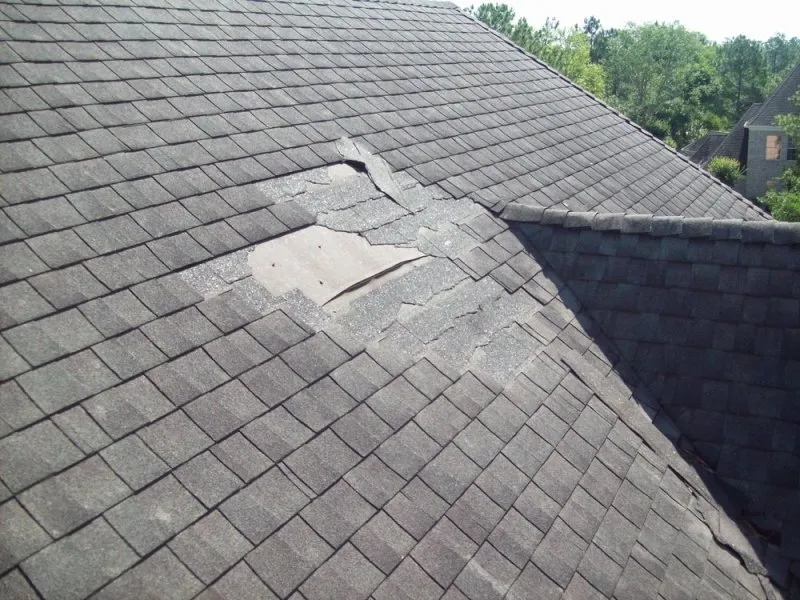
Signs That Your Roof Needs Repair
Your roof is the first line of defense against the elements, protecting your home and family from rain, snow, wind, and sun. It's easy to take it for granted wh...Read More
0 Comments
Post Comment
You will need to Login or Register to comment on this post!