
Why a Digital Legacy Matters More Than Ever
When I first heard the term “digital legacy,” I imagined a dusty folder of old social‑media screenshots tucked away in a hard drive. Fast forward a few months, and that image feels quaint. Today, our digital footprints are woven into the fabric of our identities, careers, and even the stories we leave for the next generation. From the photos we share on a weekend hike to the strategic playbooks that guide our teams, everything lives online—alive, mutable, and, ultimately, mortal unless we plan for its future.
Designing a digital legacy is no longer a niche concern for tech‑savvy archivists. It’s a strategic imperative for anyone who wants their online presence to outlive the devices they currently use. In this post, I’ll walk you through the three pillars of a robust digital legacy: personal continuity, professional endurance, and future‑proof technology. I’ll also share a practical checklist you can start using tonight.
1. Personal Continuity: Curating the Life You Want Remembered
Our personal digital legacy is the story we tell ourselves and others after we’re gone—or simply when we move on to new chapters. It’s more than a “memorial page” on a social platform; it’s a curated collection of memories, values, and instructions that can bring comfort, clarity, or inspiration to those we care about.
- Audit Your Digital Assets. Begin by listing every online account, from the obvious (email, banking) to the obscure (old forum memberships, niche hobby sites). Tools like password managers can export a CSV of stored credentials, giving you a concrete starting point.
- Set Intentional Defaults. Most platforms now let you designate a legacy contact or choose what happens to your account after death. Take advantage of these settings now, rather than scrambling later.
- Write a “Digital Will.” This is not a legal document (though you should pair it with one). It’s a plain‑language guide that explains where to find photos, how to handle unpublished writings, and any wishes regarding posthumous sharing.
- Back Up Thoughtfully. Cloud storage is convenient, but it’s also vulnerable to service shutdowns. Keep at least one encrypted copy on an external drive stored in a safe place.
By treating your personal data as a living archive, you shift from reactive “what happens if…” to proactive “how do I want it to live.” This mindset also eases the emotional burden on loved ones—no more frantic password hunts or unanswered questions about what you intended to share.
2. Professional Endurance: Making Your Brand Immortal
In the B2B SaaS world, a brand’s digital legacy can be the difference between a fleeting startup and a timeless industry pillar. While many focus on quarterly metrics, the most resilient companies think in decades. A strong professional legacy means your brand’s voice, knowledge, and design language stay consistent, even as teams evolve.
One powerful way to safeguard this continuity is through Dynamic Brand Systems. By exposing core brand assets—color palettes, typography, tone guidelines—through APIs, you create a single source of truth that any product, marketing campaign, or partner can consume. This not only eliminates “brand drift” but also future‑proofs your visual identity against the inevitable turnover of designers and marketers.
Beyond visual consistency, consider the longevity of your institutional knowledge:
- Document Decision Frameworks. Capture the why behind product pivots, market expansions, or pricing models. Future teams can learn from past reasoning, not just outcomes.
- Archive Content Strategically. Blog posts, webinars, and case studies are gold mines of expertise. Store them in a searchable, version‑controlled repository rather than a scattered folder hierarchy.
- Mentor Through Digital Channels. Record mentorship sessions, Q&A panels, and internal town halls. These become part of the organizational memory and can be repurposed for onboarding.
When your brand’s story is encoded in APIs and well‑structured knowledge bases, it becomes less dependent on any single employee. It’s a living legacy that can adapt, scale, and endure.
3. Future‑Proof Technology: Building on Foundations That Last
Technology changes faster than a trending hashtag, but a thoughtful tech stack can remain relevant for years. Two trends are especially pertinent for safeguarding a digital legacy.
First, Enterprise‑Grade, Headless WordPress is redefining how we think about web presence. By decoupling the front‑end presentation layer from the content management system, you gain the flexibility to re‑style or re‑platform your site without migrating data. Your stories, product pages, and knowledge hubs stay intact, no matter which UI framework you adopt tomorrow.
Second, consider modular, sensor‑enabled infrastructure for physical assets that tie into your digital narrative. While Smart Sensors, Modular Pods, and Circular Design is often discussed in an industrial context, the underlying principle—design for reuse and data continuity—applies to any digital product. Embedding telemetry into your SaaS platform can provide a historic log of feature usage, performance, and user behavior that outlives individual releases.
When you combine a headless content strategy with modular, data‑rich components, you create a resilient ecosystem where content, experience, and analytics evolve together rather than in silos. This architecture becomes a cornerstone of both personal and professional digital legacies.
4. Legal & Ethical Considerations: Protecting Rights in the Afterlife
Digital legacy isn’t just a technical challenge; it’s a legal and ethical one. Data protection regulations (GDPR, CCPA) grant individuals rights over their personal data that extend beyond death in many jurisdictions. Failing to honor these rights can expose families and businesses to compliance risks.
Key steps:
- Include Digital Assets in Estate Planning. Work with an attorney to list digital properties in your will and assign a fiduciary to manage them.
- Understand Platform Policies. Each social network has its own terms for posthumous data handling. Familiarize yourself with them to avoid surprises.
- Consider Ethical Implications. Even if legally permissible, think about the emotional impact of releasing certain content after you’re gone. A well‑crafted “digital will” can provide guidance.
5. Actionable Checklist: Your 7‑Day Digital Legacy Sprint
Don’t let the scope overwhelm you. Here’s a bite‑sized sprint you can complete in a week:
- Day 1 – Inventory. Export a list of all accounts, logins, and subscriptions.
- Day 2 – Prioritize. Flag high‑value assets (financial, brand, personal memories).
- Day 3 – Secure. Enable two‑factor authentication and update weak passwords.
- Day 4 – Document. Draft a digital will outlining wishes for each asset.
- Day 5 – Automate. Set up legacy contacts or automatic forwarding where possible.
- Day 6 – Backup. Create encrypted copies of critical files on an external drive.
- Day 7 – Review & Share. Review the plan with a trusted confidant and store the document in a safe location.
For organizations, expand this sprint into a quarterly “Digital Legacy Review” that aligns with your broader continuity planning. The habit of regular review ensures that as you grow, your legacy grows with you.
Conclusion: Your Story, Amplified Across Time
Digital legacy isn’t a one‑off project; it’s a mindset. By treating your personal data, professional brand, and technology stack as living entities that deserve care, you give yourself—and those you care about—a sense of continuity that transcends the fleeting nature of today’s platforms.
Whether you’re a solo founder preserving the ethos of your startup, a seasoned executive wanting your mentorship to echo beyond retirement, or simply someone who wants their favorite vacation photos to be enjoyed by future generations, the steps are the same: audit, document, automate, and future‑proof. Start today, and you’ll discover that the most powerful legacy isn’t just what you leave behind—it’s the intentional way you shape the narrative that continues to unfold.

Miranda Murphy: Experienced freelance writer with a decade of storytelling expertise. Let's create something amazing together!
Related Posts
Beyond the Cloud: Crafting a Purposeful Digital Legacy for Individuals and Enterprises
A deep dive into the emerging practice of digital legacy, showing how modern SaaS platforms enable s... Read More
Designing a Digital Legacy That Works for You and Your Business
A digital legacy is more than a footprint—it's a curated, intentional collection of your online as... Read More
Crafting a Meaningful Digital Legacy: A Roadmap for Professionals
A digital legacy protects your data, reputation, and knowledge for future collaborators. This guide ... Read More
Top Posts
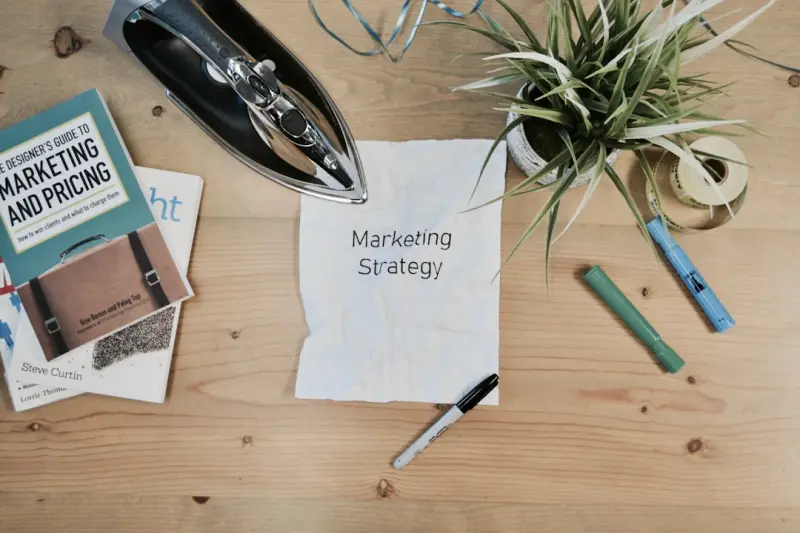
Marketing Sprints: How Speed and Creativity Redefine Success
Learn why adopting a sprint mindset in marketing accelerates campaigns, enhances ROI, and integrates AI-driven insights for real‑time success....Read More

Seasonal Foraging: Turning Your Backyard into a Wild Kitchen
Learn to transform your backyard into a seasonal foraging hub, with practical guides on plant identification, safe harvesting, simple recipes, and building a lo...Read More

Why Online Tutoring is the Modern Solution for Struggling Students
Few academic challenges evoke as much parental concern as a child struggling with mathematics. From foundational arithmetic to complex calculus, a solid grasp o...Read More

The Quiet Power of Privacy‑First Mobile Apps
A privacy‑first approach turns permission dialogs into value propositions, improves app performance, and opens new monetisation avenues—making it a decisive...Read More
0 Comments
Post Comment
You will need to Login or Register to comment on this post!