
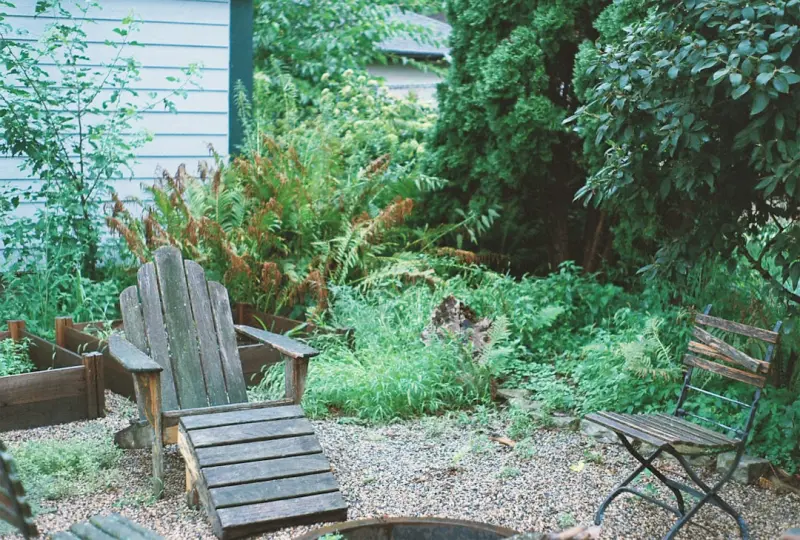
There’s a particular kind of magic that happens when the first wild greens push through the soil in early spring. It’s not just the promise of fresh flavor; it’s a reminder that the landscape around us is constantly reinventing itself, offering a menu that changes with every season. I’ve spent the last few years turning my modest backyard into a year‑round foraging laboratory, and the lessons I’ve learned are worth sharing with anyone who wants to deepen their connection to the outdoors without packing a suitcase.
Why Forage Where You Live?
Most of us think of foraging as an adventure that requires a trek into remote forests or mountain passes. In reality, the most abundant food sources often grow right outside our front doors. By focusing on local, seasonal plants you:
- Reduce your carbon footprint – No need for long‑haul transportation or packaged produce.
- Support biodiversity – Harvesting responsibly encourages native species to thrive.
- Gain culinary inspiration – Wild flavors are bold, complex, and can transform even the simplest dishes.
And perhaps most importantly, you start to see the land as a living pantry, not just a backdrop for a weekend hike.
Getting Started: The Essentials
Before you dive in, a few basics will keep your foraging adventures safe and rewarding.
- Research local regulations. Some municipalities protect certain species or restrict harvesting in public parks.
- Invest in a good field guide. A well‑illustrated guide specific to your region is worth more than a dozen gadgets.
- Learn the three‑rule safety principle:
- Never eat a plant you can’t positively identify.
- Start with a small amount to test for personal sensitivities.
- Avoid plants growing near roads, industrial sites, or treated lawns.
- Equip yourself with simple tools. A small, stainless steel knife, a sturdy basket, and a pair of gloves are all you really need.
Seasonal Cheat Sheet
Here’s a quick rundown of what you can expect to find in each season, along with a couple of my favorite picks.
Spring
Early spring is the golden hour for tender shoots and leaves. Look for:
- Wild garlic (Allium ursinum) – A subtle, aromatic cousin of the kitchen bulb.
- Stinging nettle (Urtica dioica) – Once blanched, its spinach‑like leaves are a nutrient powerhouse.
- Ramps (Allium tricoccum) – Their garlicky aroma makes them the star of any spring salad.
Summer
The heat brings berries, nuts, and hardy greens.
- Blackberries (Rubus fruticosus) – Perfect for jams or fresh snacking.
- Wild lettuce (Lactuca serriola) – Its slightly bitter profile pairs beautifully with citrus.
- Hazelnuts (Corylus avellana) – A sweet surprise when you crack the shells.
Fall
Autumn’s cooler days coax roots, mushrooms, and hardy leaves out of the ground.
- Chanterelle mushrooms (Cantharellus cibarius) – Their delicate, fruity scent is unmatched.
- Persimmons (Diospyros virginiana) – Sweet when fully ripe, excellent in sauces.
- Wild carrots (Daucus carota) – Their seeds add a subtle anise flavor to breads.
Winter
Even in the dead of winter, the landscape offers hidden gems.
- Evergreen spruce tips – Rich in vitamin C, they make a refreshing tea.
- Wintergreen (Gaultheria procumbens) – Leaves can be infused for a minty, soothing drink.
From Field to Fork: Simple Recipes to Try
Once you’ve gathered your bounty, the real fun begins. Below are three uncomplicated preparations that let the wild flavors shine.
1. Wild Garlic Pesto
Blend a handful of wild garlic leaves with olive oil, toasted pine nuts, a squeeze of lemon, and a pinch of sea salt. Toss with pasta or spread on crusty bread.
2. Nettles & Potato Soup
Steam a cup of nettle leaves until they turn a vivid green, then combine with boiled potatoes, vegetable broth, and a dash of nutmeg. Blend until smooth for a creamy, earthy soup.
3. Spruce Tip Tea
Steep a tablespoon of fresh spruce tips in hot water for five minutes. Add a drizzle of honey if you like a touch of sweetness. This tea is not only refreshing but also packed with antioxidants.
Building Community Around Foraging
One of the most rewarding aspects of backyard foraging is the connections you make. Local gardening clubs, farmer’s markets, and online forums are fertile ground for swapping tips, recipes, and even seed swaps. I recently joined a neighborhood group that meets monthly to share our latest finds. It’s a great way to learn from seasoned foragers and to teach newcomers the basics.
Mindful Harvesting: Ethics and Sustainability
Foraging is a privilege, and like any privilege it carries responsibility. Here are a few guiding principles:
- Harvest responsibly – Take no more than 10% of any given population to ensure the plant can regenerate.
- Leave no trace – Pack out any waste, and avoid trampling surrounding vegetation.
- Stay informed – Plant populations can shift due to climate changes; keep up with local ecological reports.
Integrating Modern Tools Without Losing the Spirit
While the heart of foraging is hands‑on, technology can enhance the experience. A smartphone app can help you verify plant IDs in real time, and a portable weather station lets you plan outings around optimal conditions. I’ve found that blending traditional knowledge with a few digital aids keeps my foraging both safe and exciting.
Speaking of blending worlds, the way we think about personal experiences in the outdoors mirrors the evolution we see in other fields. For instance, the intersection of digital immersion and daily life offers insights into how we can stay present while using tools that enhance, rather than distract from, nature. Similarly, the shift toward new ownership models reminds us that flexibility and shared resources are becoming central to many aspects of modern living – a concept that applies just as well to community foraging gardens.
Conclusion: Embrace the Seasonal Rhythm
Foraging isn’t about mastering a checklist of plants; it’s about tuning into the rhythm of the land and letting that cadence guide your meals, conversations, and sense of place. By starting small—perhaps with a single patch of wild garlic—you’ll discover a cascade of flavors and stories that enrich both your palate and your connection to the natural world. So step outside, open your senses, and let the backyard become your personal wilderness kitchen.

Laura Wilson is a freelance writer specializing in the dynamic and ever-evolving field of health. With a passion for translating complex medical information into accessible and engaging content, Laura brings a wealth of knowledge and a fresh perspective to topics ranging from preventative care and nutrition to cutting-edge research and innovative treatments.
Related Posts

When Minimalism Meets the Mountains: The Ultra-Light Backpacking Revolution
Explore the ultra-light backpacking movement, learning how shedding weight, mastering essential skil... Read More

Micro-Adventure: Redefining Outdoor Recreation One Tiny Trip at a Time
Micro‑adventure offers a fresh, low‑commitment way to experience nature daily. Learn how smart m... Read More
Listening to the Wild: How Sound Elevates Outdoor Adventures
Discover how listening to nature’s soundscape can transform your hikes, improve wellbeing, and eve... Read More
Top Posts

Fall Isn't Fall Until My Candles Are Lit!
As soon as that first whisper of crisp air touches my skin, or the first pumpkin spice latte ad pops up on my feed, there’s one thing that instantly kicks my ...Read More

Nose Filler Glow Up Trend, Sculpt Your Profile Instantly
In the contemporary landscape of aesthetic medicine, the paradigm of facial rejuvenation has shifted from surgical finality to the art of subtle, non-invasive r...Read More

The Quiet Power of Personal Data Hygiene: A Proactive Guide to Online Safety
Online safety is more than a compliance checklist; it’s a daily habit and cultural mindset. This guide explores micro‑behaviors, AI‑driven defenses, and p...Read More

Crafting Your Sanctuary: The Art of Intentional Home Decor for a Life Well-Lived
Transform your home into a personal sanctuary. Michelle Fisher guides you through intentional decor choices, from defining your style to integrating sustainable...Read More
0 Comments
Post Comment
You will need to Login or Register to comment on this post!