
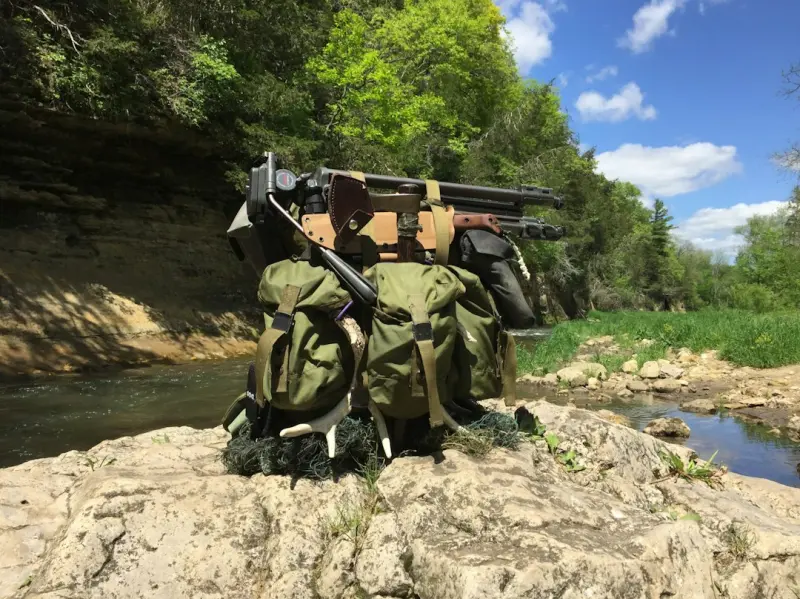
When I first slipped a folded tarp over a pine‑scented clearing, I felt the rush of a secret I’d been chasing for years: the thrill of an adventure that doesn’t weigh you down. The outdoor scene is buzzing with a quiet revolution—gear that’s smaller, smarter, and more sustainable than anything we grew up with. This isn’t about flashy gadgets or high‑tech frills; it’s about a mindset shift toward minimalist equipment that lets the landscape, not the backpack, be the star of the show.
Why Minimalist Gear Matters Now
For decades, the outdoor industry has celebrated “bigger is better.” Heavy‑duty tents, insulated jackets, and multi‑pocket backpacks promised safety and comfort, but they also added pounds that limited how far we could wander. As urban life gets louder and our schedules tighter, more people are craving real immersion—moments where you can hear a creek without the hum of a motorbike, see a sunrise without the glare of a flashlight. Lighten your load, and you lighten the mental clutter that keeps you from truly being present.
Minimalist gear does three things simultaneously:
- Reduces physical strain: Less weight means less fatigue, allowing longer treks and more spontaneous detours.
- Minimizes environmental impact: Smaller packages often use recycled or renewable materials, and fewer items mean less waste at the trailhead.
- Encourages skill development: When you strip away the safety net of over‑gear, you learn to read the land, navigate by stars, and improvise with what nature offers.
The Core Pieces of a Minimalist Pack
Here’s how I build a pack that feels like an extension of my body rather than a burden.
1. The Ultra‑Light Shelter
Forget the bulky three‑person dome you saw in the catalog. Today's shelters come in two primary flavors: a single‑person tarp system that doubles as a rainfly, or a compact, self‑inflating sleeping pad that folds into a pocket. Brands are experimenting with ground ecosystem insights to choose fabrics that breathe, repel water, and decompose quickly after use.
My go‑to is a 3‑by‑5‑meter waterproof nylon tarp with a single pole and a few carabiners. Set it up in under two minutes, and you have a shelter that adapts to wind direction, canopy cover, and even the angle of the sun.
2. The Multi‑Function Layer
Instead of a stack of fleece, down, and shell jackets, I rely on a single, hybrid layer made from a breathable, insulated fabric that works across a temperature range of 40‑70°F. The secret? Strategic ventilation zippers and a removable liner that can be tucked away when the sun turns up.
3. The Compact Cooking Kit
Fuel efficiency is the name of the game. A lightweight titanium stove, a collapsible silicone pot, and a reusable silicone bag for meals keep cooking minimal yet nutritious. I pair this with dehydrated meals that weigh less than a handful of pebbles—perfect for high‑altitude hikes where every gram counts.
4. The Smart, Small Pack
Modern backpacks now feature modular compartments, built‑in rain covers, and even solar panels that slip into the side pocket. The trick is to keep the base pack under 2 kg and use internal pockets for organization rather than external pouches that snag on branches.
Technology That Enhances, Not Distracts
While the trend is toward less gear, the tech that does make it into the pack is more thoughtful than ever. Here are a few innovations that blend seamlessly with a minimalist ethos.
Solar‑Weave Fabrics
Imagine a jacket that charges your phone while you hike. New fabrics interlace thin, flexible solar cells directly into the weave, so you can power a GPS, a headlamp, or a tiny Bluetooth speaker without hauling a separate panel.
Biometric Navigation
Compact devices now read heart rate, altitude, and even skin temperature to give you real‑time feedback on exertion levels. By syncing with a simple wristband, you get nudges to rest before you hit your limit, keeping the experience safe without a bulky first‑aid kit.
Acoustic Mapping Apps
One of the most magical ways to deepen your outdoor immersion is by listening. Acoustic mapping apps let you point your phone at a forest canopy and hear a visual representation of sound frequencies—birdsong, rustling leaves, distant waterfalls. The data can be saved and later shared with a community of fellow explorers, fostering a network of collaborative skill‑sharing networks that celebrate sound as much as sight.
Embracing the “Leave No Trace” Mindset
Minimalism isn’t just about weight; it’s a philosophy that aligns with the principles of responsible recreation. By carrying less, you automatically leave less behind. Here are three practical steps to embed this ethic into every outing.
- Plan for Zero Waste: Pack reusable containers, biodegradable soap, and a tiny bag for any trash you might generate.
- Choose Low‑Impact Trails: Opt for routes that are less trafficked to give popular paths a chance to recover.
- Practice Pack‑Down Discipline: At the end of each trip, assess every item you carried. If you didn’t use it, consider donating or recycling it before the next adventure.
Real‑World Stories: How Minimalism Transformed My Adventures
Last spring, I embarked on a three‑day trek through the alpine meadows of the Rockies with just a tarp, a hybrid layer, and a solar‑weave vest. On the first night, a sudden storm rolled in. My tarp held fast, and the solar vest kept my phone alive long enough to navigate back to a sheltered ledge. The next day, I met a fellow hiker who had been using a similar minimalist setup for years. We swapped tips on how to repurpose a fallen branch as a makeshift walking stick, proving that simplicity often sparks creativity.
Another memorable outing took place in the deserts of the Southwest. I traveled with an ultra‑light sand‑proof pack and a compact water‑filtration straw. The weight saved allowed me to wander farther off the established path, discovering hidden slot canyons that most tourists never see. The experience reminded me that the less you carry, the more space you have for spontaneous wonder.
Getting Started: Your Minimalist Checklist
If you’re ready to trade bulk for breath, use this checklist to audit your current gear and make strategic swaps.
- Identify the heaviest item in your pack. Research an ultra‑light alternative or consider if it’s truly essential.
- Consolidate multi‑purpose tools. A multitool with a bottle opener, screwdriver, and knife can replace several single‑function items.
- Test each piece at home. Simulate a hike in your backyard to ensure comfort and functionality before you hit the trail.
- Commit to a “one‑item per category” rule: one shelter, one layer, one cooking system, one navigation device.
- Document your experience. Write a brief journal entry after each trip to track how each piece performed and where improvements are needed.
The Future of Minimalist Outdoor Play
Looking ahead, I see the next wave of gear becoming even more integrated with nature. Imagine biodegradable shelters that dissolve harmlessly after a season, or fabric that changes color based on UV exposure, warning you when sun protection is needed. As designers listen to the minimalist community, the line between equipment and environment will blur, creating a seamless, low‑impact adventure experience.
In the meantime, the power to shape this future lies in our choices. By embracing lightweight, sustainable gear, we not only free ourselves from excess weight but also set a precedent for responsible recreation. The wilderness will thank us, and our souls will feel lighter, too.

In the world of freelance writing, where creativity and adaptability are paramount, Michelle Fisher stands out as a dedicated and versatile professional. With a passion for crafting compelling narratives and a keen eye for detail, Michelle has established herself as a trusted voice.
Related Posts
Finding Solace in Nature: How Outdoor Recreation Can Improve Mental Health
Outdoor recreation can have a profound impact on our mental wellbeing. Learn how reconnecting with n... Read More

Listening to the Wild: How Sound Elevates Outdoor Adventures
Discover how listening to nature’s soundscape can transform your hikes, improve wellbeing, and eve... Read More

Nature‑First Co‑Working: Redefining the Modern Workspace with Outdoor Recreation
Discover how turning parks and green spaces into functional co‑working hubs boosts creativity, men... Read More
Top Posts

Digital Education: Reshaping Professional Competency Through Online Computer Education
The digital economy is defined by its relentless pace of innovation. In this landscape, proficiency in computer science and advanced technological skills is not...Read More

Designing Trust: A Blueprint for Sustainable Professional Relationships
This post outlines a practical blueprint for building durable professional relationships by applying design thinking, clear contracts, co‑creation, and contin...Read More

The Evolution of TikTok: Understanding its Impact on Modern Society
The rise of TikTok has been phenomenal, captivating the attention of millions of users worldwide. This article explores the evolution of TikTok, its impact on m...Read More

Google’s AI Surge: How Creators Can Turn Search Into a Creative Superpower
Discover how Google’s AI evolution transforms search into a collaborative creative partner, reshaping SEO, advertising, and content strategy for modern creato...Read More
0 Comments
Post Comment
You will need to Login or Register to comment on this post!