
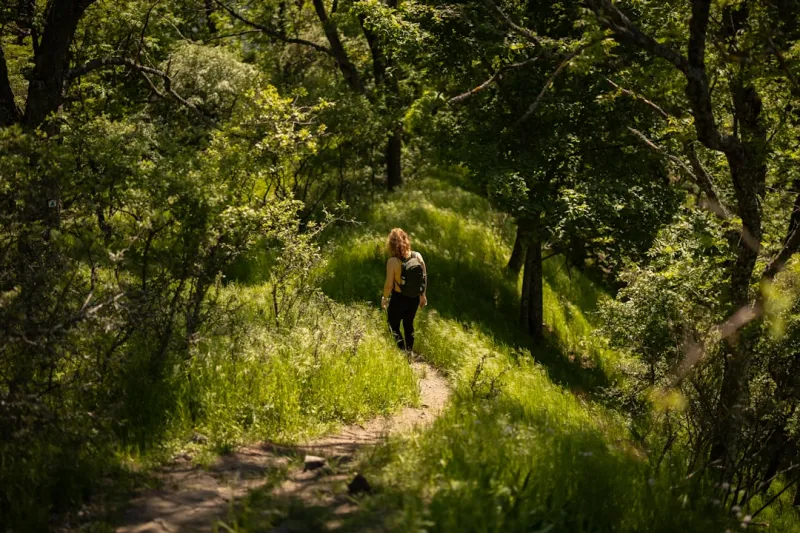
Jimmy Anand
Finding Solace in Nature: How Outdoor Recreation Can Improve Mental Health
As someone who's spent their fair share of time outdoors, I can attest to the profound impact that nature can have on our mental wellbeing. In today's fast-paced world, it's easy to get caught up in the hustle and bustle of daily life and forget to take care of ourselves. But reconnecting with nature can be a powerful way to clear our minds, reduce stress, and improve our overall mental health.
The Benefits of Outdoor Recreation
Research has shown that spending time outdoors can have a range of benefits for our mental health, from reducing symptoms of anxiety and depression to improving our mood and cognitive function. One of the main reasons for this is the opportunity to disconnect from technology and reconnect with the natural world. When we're out in nature, we're forced to slow down and be present in the moment, which can be incredibly grounding and therapeutic. Whether it's hiking, camping, or simply taking a walk in the park, getting outside can be a great way to clear our minds and improve our mental wellbeing.
The Connection Between Nature and Mental Health
But why is nature so good for our mental health? One reason is that it allows us to tap into our sense of awe and wonder. When we're out in nature, we're reminded of the beauty and complexity of the world around us, which can be incredibly humbling and perspective-shifting. This sense of awe can help to reduce stress and anxiety, and improve our overall mood. Additionally, being in nature has been shown to reduce inflammation, improve our sleep, and even boost our immune system – all of which can have a positive impact on our mental health.
Getting Outside in the Digital Age
Of course, in today's digital age, it can be challenging to disconnect from our devices and get outside. But making time for outdoor recreation is more important than ever. Not only can it help to improve our mental health, but it can also give us a much-needed break from the constant stream of information and stimuli that we're exposed to online. Whether it's a quick walk around the block or a longer hike in the woods, making time to get outside can be a great way to recharge and refocus.
Nurturing Our Connection to Nature
So how can we nurture our connection to nature and make outdoor recreation a bigger part of our lives? One way is to schedule it in. Just as we would any other important appointment, we should make time for outdoor recreation and prioritize it. This might mean waking up a little earlier to go for a walk, or taking a break during the day to get outside. Additionally, we can try new things and explore different types of outdoor activities – whether it's hiking, camping, or simply spending time in a garden or park.
The Intersection of Nature and Mental Health
It's also worth noting that the intersection of nature and mental health is a complex and multifaceted one. While spending time outdoors can be incredibly beneficial for our mental wellbeing, it's also important to recognize that mental health is a serious issue that requires professional treatment. If you're struggling with your mental health, it's essential to reach out to a qualified mental health professional for support.
Overcoming Barriers to Outdoor Recreation
Of course, there are often barriers to outdoor recreation that can make it difficult to get outside. Whether it's lack of access to green spaces, mobility issues, or simply not knowing where to start, there are many reasons why people may struggle to make outdoor recreation a part of their lives. But finding ways to overcome these barriers is essential if we want to prioritize our mental health and wellbeing. This might mean seeking out accessible outdoor spaces, finding a outdoor buddy or community, or simply starting small and trying new things.
The Future of Outdoor Recreation
As we look to the future, it's clear that outdoor recreation will continue to play a critical role in our mental health and wellbeing. Whether it's through travel and exploration or simply spending time in our own backyards, making time for outdoor recreation is essential. By prioritizing our connection to nature and making outdoor recreation a bigger part of our lives, we can improve our mental health and live more balanced, fulfilling lives.
Conclusion
In conclusion, outdoor recreation is a powerful tool for improving our mental health and wellbeing. By reconnecting with nature and making outdoor recreation a bigger part of our lives, we can reduce stress and anxiety, improve our mood, and live more balanced, fulfilling lives. Whether it's hiking, camping, or simply taking a walk in the park, getting outside can be a great way to clear our minds and improve our mental wellbeing.

Jimmy Anand is a content creator that gets inspired by many aspects of life, internet or whatever inspires him at that moment. When he's not online he's gaming and when he is not gaming he is online trolling discussion boards.
Related Posts
Biofeedback Wearables: Redefining Forest Bathing
A personal guide to using lightweight biofeedback wearables on hikes, showing how heart‑rate varia... Read More
Trailblazing the Outdoors: David Moore’s Playbook for Adventurous Living
David Moore reveals how to turn every hike into a growth opportunity, blending gear hacks, tech, and... Read More

Nature‑First Co‑Working: Redefining the Modern Workspace with Outdoor Recreation
Discover how turning parks and green spaces into functional co‑working hubs boosts creativity, men... Read More
Top Posts

A Parent's Guide to Finstagram: Uncovering Your Child's Secret Social Media World
While the term "Finstagram" might sound like a new, cutting-edge social media platform, it's actually a familiar one with a twist: Instagram. In essence, a Fins...Read More

TikTok as a Real‑Time Consumer Insight Engine
Explore a fresh perspective on using TikTok as a living laboratory for real‑time market research, collaborative storytelling, and data‑driven content iterat...Read More

Hybrid Weddings: Crafting Connected Celebrations for the Modern Couple
Hybrid weddings combine the intimacy of an in‑person ceremony with the reach of live streaming, offering inclusive, data‑driven experiences that let every l...Read More

Designing a Modular Career Path for a Dynamic Future
A modular career treats skills, roles, and networks as interchangeable components, giving professionals the flexibility to adapt, learn, and thrive amid rapid m...Read More
0 Comments
Post Comment
You will need to Login or Register to comment on this post!