

Why Marketing Needs a Creative Sprint Mindset
In today’s hyper‑connected marketplace, campaigns no longer have the luxury of languishing for months before they see the light of day; the pressure to launch, test, and iterate has become a relentless drumbeat that separates brands that thrive from those that merely survive, and I’ve learned—through countless late‑night brainstorming sessions and data‑driven post‑mortems—that the only way to keep pace is to treat every initiative as a sprint rather than a marathon, a philosophy that forces teams to strip away excess, focus on core objectives, and move with a sense of urgency that fuels creativity; this shift not only shortens time‑to‑market but also creates a feedback loop so tight that insights become actionable almost in real time, turning uncertainty into a strategic advantage.
Introducing the Creative Sprint Framework
The creative sprint framework is a distilled process that condenses the traditional campaign lifecycle into a rapid, time‑boxed cycle of ideation, prototype, test, and refine, and it draws inspiration from agile methodologies that have proven their worth in software development, yet it is uniquely tailored to the fluid, narrative‑driven world of marketing where storytelling must adapt instantly to audience reaction; by committing to a fixed cadence—often a week or two—teams are compelled to prioritize high‑impact ideas, eliminate analysis paralysis, and maintain a laser focus on measurable outcomes, a discipline that I’ve seen transform stagnant brand voices into dynamic, conversation‑leading forces.
Blueprint for a High‑Impact Sprint
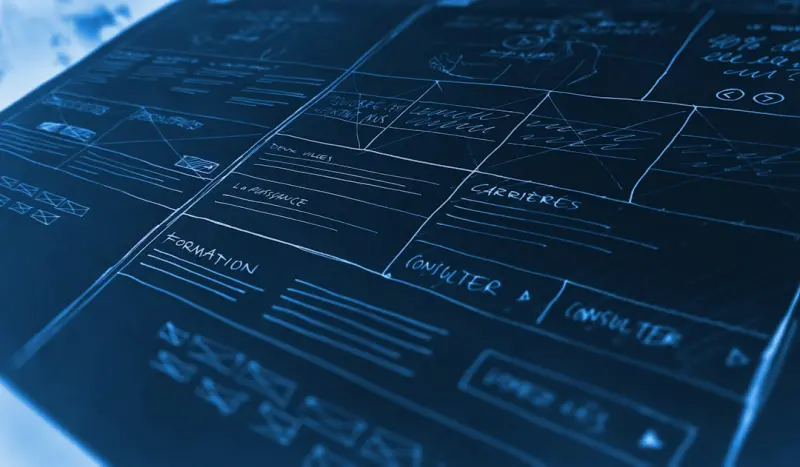
To execute a successful sprint, start by gathering a cross‑functional squad that includes copywriters, designers, data analysts, and product owners, then allocate a clear, singular goal such as increasing click‑through rates by a specific margin, followed by a rapid ideation session where every participant throws out bold concepts without judgment, after which the most promising ideas are sketched into quick mock‑ups and tested against a minimal viable audience using split‑testing tools; the sprint concludes with a data‑rich debrief that highlights what resonated, what fell flat, and which learnings will inform the next iteration, creating a self‑reinforcing cycle of improvement.
- Define the sprint objective
- Assemble a lean, empowered team
- Ideate without constraints
- Prototype and test quickly
- Analyze results and iterate
Speed Fuels Creativity—and ROI
When a campaign moves at breakneck speed, the psychological pressure triggers a paradoxical boost in creative output, because constraints force marketers to cut through the noise and focus on the essence of the message, and the data that streams back in real time validates or refutes hypotheses before they become sunk costs, a reality that translates directly into a healthier bottom line; I have watched budgets previously earmarked for long‑term brand lifts be reallocated to high‑performing micro‑moments that deliver immediate revenue spikes, proving that the sprint mentality not only nurtures bold ideas but also maximizes return on ad spend by ensuring every dollar is backed by evidence.
Harnessing AI to Supercharge Sprints
Artificial intelligence has become the silent partner in every modern sprint, providing predictive insights, automating copy variations, and even suggesting visual elements that align with emerging trends, and the recent surge of AI tools from platforms like Google has turned search into a creative superpower that can surface audience intent with uncanny precision, allowing teams to pivot on the fly and craft hyper‑relevant experiences that feel tailor‑made for each user segment; by integrating AI‑driven analytics into the sprint cadence, marketers can anticipate shifts in consumer behavior before they manifest, dramatically reducing the lag between insight and execution.
Turning Search Engine Marketing into a Creative Sprint
One of the most compelling applications of the sprint mindset is in search engine marketing, where the traditional approach of setting long‑term keyword bids is being replaced by rapid, data‑backed experiments that treat each keyword group as a mini‑campaign, a strategy detailed in Turning Search Engine Marketing into a Creative Sprint, and by launching micro‑ads, testing ad copy variations within hours, and adjusting bids based on real‑time performance metrics, marketers can achieve conversion rates that outpace static, year‑long strategies, turning the search funnel into a living laboratory where every click informs the next creative decision.
Social Media: The Natural Sprint Playground
Social platforms thrive on immediacy, and that intrinsic speed makes them the perfect arena for sprint‑driven campaigns, where a brand can launch a story, gauge audience reaction within minutes, and iterate the narrative in real time, a practice that mirrors the creative sprint philosophy and keeps the brand conversation fresh and engaging; while I won’t reference a specific article here, the reality is that every trending hashtag, meme, or viral challenge offers a ready‑made sprint opportunity that, when seized, can catapult brand awareness far beyond what traditional paid media can achieve.
The Next Wave of SEO: Intent, AI, and Experience Over Keywords
Search engine optimization is undergoing a quiet revolution where the focus is shifting from keyword stuffing to understanding user intent, leveraging AI to interpret nuanced queries, and delivering holistic experiences that satisfy both search engines and human readers, a transformation explored in The Next Wave of SEO, and by aligning sprint cycles with these evolving signals—testing structured data snippets, optimizing for voice search, and refining page speed—marketers can stay ahead of algorithmic changes, ensuring that their content not only ranks but also resonates, driving sustainable organic growth that complements paid sprint initiatives.
Closing Thoughts: Make Every Sprint Count
Ultimately, the creative sprint is more than a process; it is a mindset that champions agility, data, and bold experimentation, and when embraced across the marketing stack—from paid search to social storytelling and AI‑enhanced SEO—it creates a virtuous loop where insights accelerate creativity, and creativity fuels measurable results, a dynamic I’ve witnessed time and again in brands that dare to move fast, fail fast, and iterate faster, proving that in the relentless race for consumer attention, speed truly is the new currency of success.

Robert Mathews is a professional content marketer and freelancer for many SEO agencies. In his spare time he likes to play video games, get outdoors and enjoy time with his family and friends . Read more about Robert Mathews here:
Related Posts

The Evolution of Digital Marketing: Trends to Watch
The digital marketing landscape is constantly evolving. Stay ahead of the curve with the latest tren... Read More

Interactive Video: The B2B Marketing Engine You’ve Been Missing
Interactive video turns passive viewers into active participants, delivering higher engagement, rich... Read More

Turning Support Conversations into Marketing Gold
Support tickets aren’t just problem‑solving tools—they’re untapped storytelling gold. Learn ... Read More
Top Posts
Designing Your Digital Legacy: A Blueprint for Personal and Professional Immortality
A comprehensive guide to building a digital legacy that protects personal memories, safeguards professional brand continuity, and leverages future‑proof techn...Read More

Should I add a Patio or Pergola?
The desire to extend living spaces outdoors is a fundamental aspect of modern home design, offering a seamless transition between indoor comfort and natural bea...Read More

Best AI Video Generator of 2026: 5 Tools Worth Using for Video Creation and Talking Photos
As of June 2026 the top AI video generator does much more than what was previously thought to be their primary function. By then the best tools will also includ...Read More

The Scent‑First Revolution: How Aroma Shapes Tomorrow’s Beauty Rituals
A deep dive into the emerging power of scent in beauty, exploring how fragrance chemistry creates emotional bonds, enables personalized experiences, and drives ...Read More
0 Comments
Post Comment
You will need to Login or Register to comment on this post!